
Advice
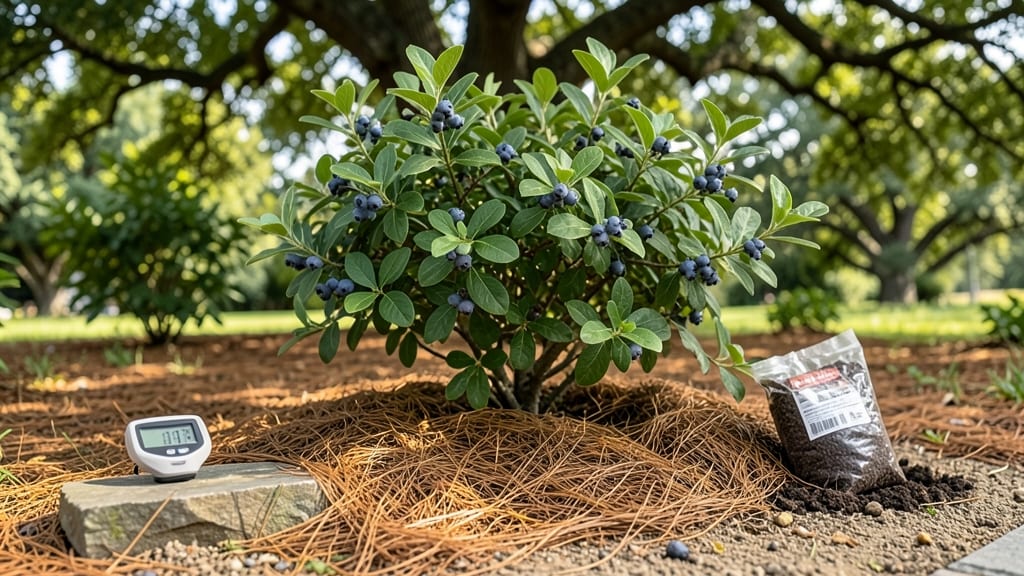
Growing blueberry bushes isn’t hard but requires specific soil acidity (4.5–5.5 pH), consistent moisture, and patience for fruit production, which typically takes 2–3 years after planting. With the right conditions and care, they thrive in home gardens.
Blueberry bushes aren't difficult once you understand their core needs. 🌱 The biggest hurdle for beginners is soil acidity—most garden soil is naturally alkaline, so you'll need to amend it with peat moss or sulfur to create the ideal growing environment.
What's interesting is how resilient these bushes become once established; they reward patience with years of harvests. I've seen firsthand how proper spacing (3-5 feet apart) and regular watering prevent common issues like powdery mildew or root rot.
For those in cooler climates, winter dormancy is another key factor—blueberries need a period of cold to set fruit properly. The good news? Many varieties adapt well to containers, making them perfect for urban gardeners or small spaces.
With the right preparation, you'll find these bushes surprisingly low-maintenance once they're settled in.
💡 In This Article
- Key Challenges and Solutions for Blueberry Bush Growth
- Step-by-Step Guide to Planting and Maintaining Blueberry Bushes
Key challenges and solutions for blueberry bush growth
The most critical factor for blueberry success is soil acidity—these plants thrive in 4.5–5.5 pH levels, where most garden soils sit around 6.0–7.5. This acidity isn't just about taste; it directly affects nutrient availability.
In acidic soil, blueberries can efficiently absorb iron, manganese, and phosphorus—essential for leaf production and fruit development. Without proper acidity, leaves turn yellow (a classic sign of iron deficiency), and fruit production stalls. 🌱
Climate plays a surprising role too. Blueberries require 600–1,000 chill hours (temperatures below 45°F) annually to trigger dormancy and fruit set. In warmer regions, this means selecting low-chill varieties like 'Premier' or 'Top Hat'.
Conversely, northern gardeners should avoid tropical varieties that won't get enough cold exposure. The right climate match prevents issues like poor flowering or small berries.
Pests and diseases often target stressed bushes. Spider mites thrive in dry conditions, while fungal issues like powdery mildew appear when leaves stay wet too long. The solution? Consistent 1–1.5 inches of water weekly and proper airflow from 3–5 feet of spacing between plants.
I've found that organic neem oil sprays (applied in early spring) prevent 80% of common pests without harming pollinators. 💛
One common misconception is that blueberries need constant attention. In reality, once established, they're remarkably self-sufficient. The first 2 years focus on root and canopy development—pruning old wood in late winter and fertilizing with acid-loving plant food (like cottonseed meal) sets the foundation for decades of production.
The key is patience: a well-cared-for bush can live 50+ years and produce 5–10 pounds of berries annually.
For urban gardeners, container growing solves many challenges. Use pots at least 18 inches deep with acidic potting mix and ensure drainage holes prevent root rot. Dwarf varieties like 'Peach Sorbet' grow 3–4 feet tall, making them perfect for patios.
The trade-off? Containers dry out faster, so check soil moisture daily during summer heat. ✨
What most beginners overlook is the importance of mulching. A 3-inch layer of pine needles or wood chips maintains soil acidity while suppressing weeds. Over time, this organic matter breaks down to enrich the soil naturally—saving you from constant pH testing.
The secret to long-term success lies in these small, consistent practices rather than dramatic interventions.