
Shrubs
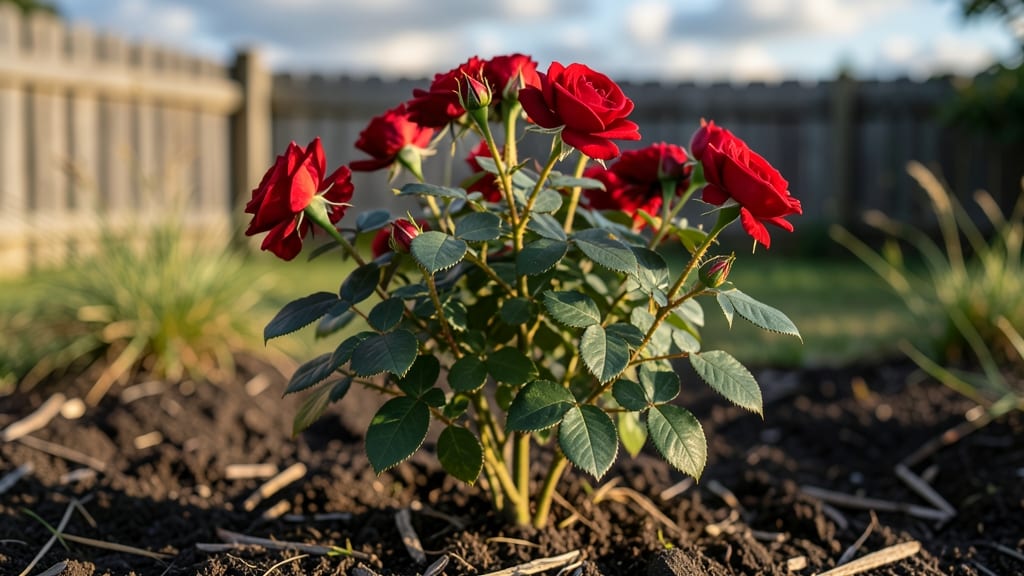
Growing a mini red rose bush starts with the right variety—those compact blooms pack a year-round fragrance punch in just 2-3 feet of space. 🌹 I learned the hard way that not all mini roses are created equal; the best ones stay bushy, resist disease, and keep blooming until frost.
The secret? Choosing a variety like 'Bonica,' 'Playboy,' or 'Fairy' that thrives in small spaces while delivering that classic rose scent. These little powerhouses need full sun (6+ hours daily) and well-draining soil—think sandy loam mixed with compost.
Overwatering is the #1 killer, so I use drip irrigation or soaker hoses to keep roots happy without soggy soil. Mulch around the base helps retain moisture and keeps roots cool in summer. By pruning lightly after each flush of blooms, you'll encourage nonstop flowers from spring through fall.
The fragrance alone makes it worth the effort—imagine walking past and smelling roses even when they're not in peak bloom. Winter care is simple: wrap the base with burlap or use a frost cloth for protection. Perfect for balconies, small gardens, or even containers.
Here's how to keep yours thriving all season long—no green thumb required!
📚 In This Guide
- What you need
- Instructions
- Tips and common mistakes
- Wrapping up and next steps
What you need
- ● Mini red rose bush: Choose a dwarf variety (e.g., 'Fairy Tale,' 'Playboy,' or 'Bonica')—typically 2–4 feet tall at maturity. Buy from a reputable nursery or online seller.
- ● Well-draining potting soil: A high-quality all-purpose mix (10–15 gallons) enriched with compost or peat moss for moisture retention.
- ● Pot or garden space: Container option: A pot at least 12–18 inches deep with drainage holes (terracotta or ceramic preferred).
- ● Garden option: A sunny spot with 6+ hours of sunlight daily and loose, fertile soil (amend with compost if needed).
- ● Fertilizer: A balanced rose fertilizer (10-10-10 or 20-20-20) or organic options like fish emulsion or bone meal. Follow package rates for application.
- ● Pruning shears: Sharp, bypass-style shears (sterilized with rubbing alcohol to prevent disease).
- ● Mulch: Organic mulch (e.g., shredded bark or straw) to retain moisture and suppress weeds (2–3 inches around the base).
- ● Watering can or hose: With a gentle spray nozzle to avoid damaging delicate blooms.
- ● Rose-specific food: Liquid bloom boosters (e.g., Miracle-Gro Rose Food) for extra vibrancy.
- ● Trellis or stake: For container plants to support growth (3–4 feet tall).
- ● Epsom salt: A spoonful dissolved in water monthly for magnesium-rich foliage.
- ● Pest control: Neem oil or insecticidal soap to deter aphids or spider mites.
- ● Garden gloves: To protect hands during pruning or soil prep.
How to grow a thriving mini red rose bush
Here's how I grow compact, fragrant red roses that bloom all season long—no fancy tools needed.
🌱 Step 1: Choose the Perfect Spot for Year-Round Blooms
Mini red roses need 6-8 hours of direct sun daily for best blooming. I plant mine where they get morning sun and afternoon shade in hotter climates—this keeps leaves from scorching while ensuring enough light for flowers. Avoid spots where they'll be shaded by trees or buildings.
Check the soil first—mini roses thrive in well-draining, slightly acidic soil with a pH between 6.0-6.5. If your soil is heavy clay, mix in 2-3 inches of compost to improve drainage. The roots should never sit in soggy soil, or you'll see yellow leaves and weak growth.
🪴 Step 2: Plant at the Right Depth and Space
Dig a hole twice as wide as the root ball but no deeper. Mini roses grow best when planted at the same depth they were in the nursery pot. Gently loosen the roots if they're circling, then place the bush in the hole and backfill with soil, pressing lightly to remove air pockets.
Space plants 18-24 inches apart—this gives them room to grow without competing for nutrients. Water deeply right after planting to settle the soil and encourage root spread. You'll know it's right when the soil surface looks slightly firm and no air gaps remain around the roots.
☀️ Step 3: Water Deeply but Infrequently
Mini roses hate soggy roots but need consistent moisture. Water 1-2 times per week, depending on your climate, until the top 2 inches of soil feel dry. A good soak—about 1 gallon per plant—encourages deep root growth. Avoid wetting the leaves to prevent fungal diseases like black spot.
Mulch around the base with 2-3 inches of organic mulch (like shredded bark) to retain moisture and regulate soil temperature. Keep the mulch 2 inches away from the stem to prevent rot. You'll notice fewer wilting leaves and stronger stems when you do this right.
✂️ Step 4: Prune for Compact Growth and Continuous Blooms
Prune your mini red rose in early spring and after each bloom cycle. Cut back one-third of the oldest stems to encourage new growth and more flowers. Remove any dead, diseased, or crossing branches—this keeps air circulating and prevents pests.
Pinch back new growth by one-third when stems reach 6-8 inches tall. This forces the bush to branch out, creating a fuller, more compact shape. Deadhead spent blooms regularly to redirect energy into new flowers. You'll see nonstop blooms if you keep up with this simple habit.
🌿 Step 5: Feed and Protect for Long-Term Health
Fertilize every 4-6 weeks during the growing season with a balanced 10-10-10 fertilizer. I mix it into the soil around the base, then water deeply to help roots absorb the nutrients. Avoid high-nitrogen fertilizers—they encourage leafy growth at the expense of flowers.
Watch for pests like aphids or spider mites, especially on new growth. Spray affected areas with neem oil or insecticidal soap if you spot sticky residue or tiny webs. A strong, healthy mini rose bush will bounce back quickly if caught early.
Tips & tricks for perfect mini red rose bush care
Took me years to figure out these little secrets—here's how I keep my mini red roses thriving with minimal effort.
Sunlight Strategy: The 6-8 hours of direct sun in Step 1 is non-negotiable for those vibrant red blooms. If your garden gets intense afternoon sun, I recommend placing your bushes where they get morning sun and afternoon shade—this prevents leaf scorch while still giving them enough light to produce flowers. A simple way to test is to observe your garden: if other plants are wilting by mid-afternoon, your roses will too.
Soil Secret: When amending heavy clay soil with the 2-3 inches of compost in Step 1, I always mix in a handful of perlite or sand too. This creates better drainage while keeping moisture retention. You'll know you've done it right when water drains through the soil in about 30 minutes rather than pooling at the surface. This simple tweak prevents those dreaded yellow leaves from soggy roots.
Watering Wisdom: The 1-2 times per week watering in Step 3 works perfectly, but timing matters just as much. I water my mini roses in the early morning so the leaves have all day to dry out. This prevents fungal diseases like black spot that love damp foliage. And here's a pro trick: use a rain gauge near your roses to track exactly how much water they're getting—you might be surprised how much rain already satisfies their needs.
Pruning Payoff: When pinching back new growth in Step 4, I always look for the third set of leaves from the base. This is where new branches will form, creating that lush, compact shape. It takes a little patience to wait for stems to reach 6-8 inches, but trust me—those extra branches will give you twice as many flowers. And don't forget to sterilize your pruners with rubbing alcohol between cuts to prevent spreading disease.
Pro Tips for Mini Red Rose Bush
- Took me years to figure out these little secrets—here's how I keep my mini red roses thriving with minimal effort.
- Sunlight Strategy: The 6-8 hours of direct sun in Step 1 is non-negotiable for those vibrant red blooms.
- Soil Secret: When amending heavy clay soil with the 2-3 inches of compost in Step 1, I always mix in a handful of perlite or sand too.
Frequently asked questions
How fast does a mini red rose bush grow?
A mini red rose bush typically grows 6–12 inches per year, reaching its mature height (1–3 feet) in 1–2 years with proper care. Prune lightly after blooming to encourage bushier growth and more flowers. Patience pays off—these little powerhouses pack big fragrance in tiny packages!
When is the best time to plant or transplant a mini red rose bush?
Plant your mini red rose bush in early spring or early fall when temperatures are mild (50–70°F). Avoid extreme heat or frost, which can stress the roots. If transplanting, water deeply 1–2 weeks before to reduce shock. Pro tip: Amend the soil with compost for a nutrient boost!
How often should I water a mini red rose bush?
Water deeply 1–2 times per week (more in hot/dry climates) to keep soil 1–2 inches moist but not soggy. New plants need daily watering for the first 2 weeks. Mulch around the base to retain moisture and protect roots. Overwatering is a common killer—let the topsoil dry slightly between waterings!
What pests or diseases should I watch for?
Mini red roses are tough but can attract aphids, spider mites, or powdery mildew. Inspect leaves regularly—spray with neem oil or insecticidal soap for pests. Improve airflow by pruning crowded branches to prevent mildew. Prevention is key!
Can I grow a mini red rose bush in a container?
Absolutely!
Choose a pot at least 12 inches deep with drainage holes. Use well-draining potting mix and repot every 2–3 years to refresh nutrients. Place in full sun (6+ hours/day) and fertilize monthly during growing season. Containers let you move them for seasonal sunlight adjustments!
How do I keep my mini red rose bush blooming all year?
Deadhead spent blooms regularly to encourage new flowers. Feed with a balanced rose fertilizer every 4–6 weeks in spring/summer. In winter, reduce watering and protect from frost (use burlap or a frost cloth). With consistent care, many mini roses reward you with near-continuous blooms!
Wrapping up and next steps
A mini red rose bush brings a burst of color and charm to any garden—whether you’re a seasoned gardener or just starting out! With the right care, these compact beauties thrive, rewarding you with year-round fragrance and stunning blooms.
Now that you’re armed with the essentials, it’s time to roll up your sleeves and plant your own!
🌱 Next steps:
- Pick your perfect spot—sunlight and soil are key!
- Grab your supplies and follow the guide above.
- Watch your mini rose bush grow into a fragrant, eye-catching centerpiece.