
Shrubs
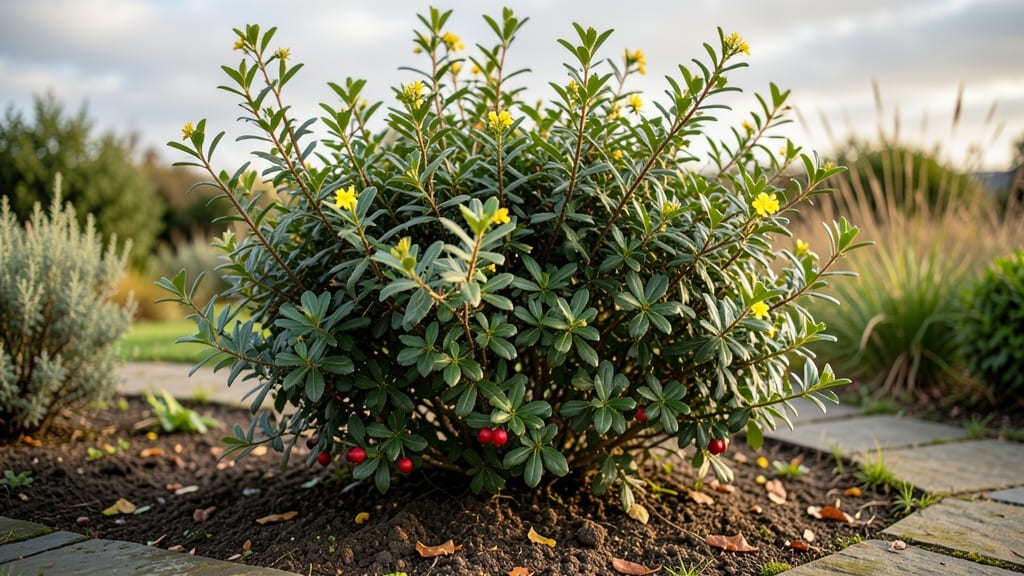
An evergreen barberry bush delivers year-round structure and color without the fuss of constant pruning. 🌿 I planted mine last spring, and it’s already become the backbone of my low-maintenance garden—sharp foliage in winter, bright berries in fall, and none of the flopping that plagues other shrubs.
These shrubs thrive in full sun to partial shade and tolerate poor soil better than most ornamentals. Just give them well-draining ground and water only when the top inch feels dry—they’re drought-tolerant once established.
The key to keeping them lush is minimal pruning: just shape occasionally in late winter to maintain your desired form.
You’ll love how they hold their shape through snow and still attract birds with their berries. The foliage stays vibrant even in harsh winters, making them perfect for foundation plantings, hedges, or mixed borders. Plus, deer usually leave them alone—unlike many other shrubs.
Works beautifully in formal gardens, cottage-style beds, or even as a standalone specimen. The only real mistake? Overwatering or planting in soggy soil. Let’s get yours growing strong!
📚 In This Guide
- What you need
- Instructions
- Tips and common mistakes
- Wrapping up and next steps
What you need
- ● Barberry Bush Evergreen Plants: 1–3 nursery-grown Berberis or Mahonia species (e.g., Berberis julianae or Mahonia aquifolium). Choose 3–5 gallon containers for mature plants or 1-gallon pots for younger shrubs.
- ● Soil Amendments: 5–10 lbs well-draining potting mix (or garden soil + 20% perlite for in-ground planting).
- ● Compost or aged manure (1–2 lbs per planting hole) for nutrients.
- ● Fertilizer: Balanced 10-10-10 fertilizer (1 tbsp per plant) or slow-release granules.
- ● Planting Tools: Trowel or hand shovel for digging.
- ○ Garden gloves (optional but highly recommended—barberry thorns are sharp!).
- ● Pruning Essentials: Bypass pruners (for clean cuts on stems up to ½-inch thick).
- ● Loppers (for thicker branches, if needed).
- ● Disinfectant spray (70% isopropyl alcohol) to sterilize tools between cuts.
- ● Mulch: 2–3 inches of organic mulch (pine straw, bark chips, or shredded leaves).
- ● Location: Full sun to partial shade (6+ hours of sunlight daily for best foliage).
- ● Well-draining soil (pH 5.0–7.0; tolerates acidic to neutral soil).
- ● Climate: Hardy in USDA Zones 5–9 (check your zone here).
- ○ Optional Extras: Epsom salt (1 tbsp per gallon of water) for magnesium boosts if leaves look yellow.
- ● Drip irrigation system for low-maintenance watering.
Step-by-Step guide to planting and maintaining a barberry bush for year-round foliage
Here’s how to establish a barberry bush that thrives with minimal effort while delivering lush, evergreen leaves all year.
🌱 Step 1: Choose the Perfect Planting Location
Barberry bushes thrive in full sun to partial shade, with at least 6 hours of direct sunlight daily for optimal growth. I always scout the site first—look for spots with well-draining soil, as barberries hate soggy roots. If your soil is heavy clay, amend it with 2-3 inches of compost mixed into the top 12 inches of soil before planting.
Dig a hole twice as wide as the root ball but only as deep—the top of the root ball should sit 1 inch above ground level. This prevents water from pooling around the stem, which can cause rot. If planting multiple bushes, space them 4-6 feet apart to allow for mature growth without overcrowding.
☀️ Step 2: Plant and Water for Strong Establishment
Gently remove the barberry from its container and loosen any circling roots with your fingers. Place it in the hole, backfilling with native soil as you go, and firm it lightly around the base. Water deeply right after planting—this helps settle the soil and eliminates air pockets. You’ll know it’s right when water drains freely from the hole.
Keep the soil evenly moist for the first 4-6 weeks (about 1 inch of water per week), but avoid letting it stay soggy. Mulch around the base with 2-3 inches of organic mulch (like shredded bark) to retain moisture and suppress weeds. Just keep the mulch 2-3 inches away from the stem to prevent rot.
✂️ Step 3: Prune Strategically for Shape and Health
Barberries are famously low-maintenance, but a little pruning keeps them tidy and encourages dense foliage. The best time to prune is late winter or early spring, just before new growth begins. Remove any dead, diseased, or crossing branches first—cut them back to the main stem or healthy growth.
For shaping, I prune no more than 25% of the plant in one season. Use clean, sharp pruners to make cuts at a 45-degree angle just above a bud or branch junction. This encourages new growth and keeps the bush full. Avoid heavy pruning in fall—it can leave the plant vulnerable to winter damage.
🌿 Step 4: Maintain Through the Seasons for Long-Term Beauty
Barberries are drought-tolerant once established, but they reward regular watering during dry spells. Water deeply once a week in summer if rainfall is light, ensuring the soil stays 2-3 inches deep without becoming waterlogged. Fertilize lightly in early spring with a balanced, slow-release fertilizer (10-10-10) to support new growth.
Watch for pests like spider mites or scale insects—these love dry conditions. If you spot them, treat with neem oil or insecticidal soap. Barberries are also prone to leaf spot fungus in humid climates, so improve airflow by pruning back crowded branches and avoid overhead watering.
⏰ Step 5: Winter Care for Evergreen Resilience
While barberries are evergreen, they still benefit from light winter protection in colder climates. Apply a 2-3 inch layer of mulch around the base in late fall to insulate roots. If heavy snow accumulates, gently brush it off branches to prevent breakage—too much weight can snap tender new growth.
Resist the urge to prune in winter unless removing dead wood. Barberries hold their leaves year-round, but they’ll naturally shed older leaves in spring to make way for fresh growth. This is normal—don’t panic if your bush looks a little sparse in late winter.
Tips & tricks for perfect barberry bush evergreen
These simple strategies will help your barberry bush thrive with minimal fuss while keeping its foliage vibrant year-round.
Soil Preparation Secret: Before planting, I always test my soil's drainage by digging a small hole and filling it with water. If it doesn't drain within 30 minutes, you'll need to amend the soil with additional compost or even consider planting in a raised bed. Well-draining soil is absolutely critical for preventing root rot in barberries, especially in clay-heavy areas. The 2-3 inches of compost mixed into the top 12 inches of soil creates the perfect foundation for healthy root development.
Planting Depth Cue: When positioning your barberry in the hole, use the top of the root ball as your guide—it should sit just 1 inch above ground level. This subtle elevation prevents water from pooling around the stem, which is a common cause of stem rot. I mark this 1-inch level with a small stake before planting to ensure perfect positioning every time. This small detail makes all the difference in long-term plant health.
Pruning Angle Technique: When shaping your barberry in Step 3, make sure to cut branches at a 45-degree angle just above a bud or branch junction. This angled cut directs water away from the wound, reducing the risk of disease while encouraging new growth from the bud below. I always clean my pruners with rubbing alcohol between cuts to prevent spreading any potential pathogens between branches.
Winter Mulch Strategy: For that extra winter protection, I recommend doubling the mulch layer to 4-6 inches in particularly cold climates. This thicker layer provides better insulation for the roots while still allowing moisture to penetrate. Just be sure to keep it pulled back 2-3 inches from the stem to prevent any potential rot. This simple adjustment can make the difference between a bush that survives winter and one that thrives through it.
Pro Tips for Barberry Bush Evergreen
- These simple strategies will help your barberry bush thrive with minimal fuss while keeping its foliage vibrant year-...
- Soil Preparation Secret: Before planting, I always test my soil's drainage by digging a small hole and filling it wit...
- Planting Depth Cue: When positioning your barberry in the hole, use the top of the root ball as your guide—it should ...
Frequently asked questions
Got questions about keeping your barberry bush evergreen healthy and thriving with minimal fuss?
Here are answers to the most common ones—so you can enjoy that lush, year-round foliage without the guesswork!
How cold-hardy is the barberry bush evergreen, and will it survive winter?
The barberry bush evergreen (like Berberis thunbergii) typically thrives in USDA Zones 4-8, meaning it can handle winters as cold as -30°F (-34°C). Just ensure it’s planted in well-draining soil—poor drainage is its biggest winter enemy! Mulch lightly around the base for extra protection.
Do I really need to prune it, or can I skip it entirely?
Zero-fuss doesn’t mean no-fuss—but barberry bushes are forgiving! Light pruning in late winter or early spring keeps them tidy and encourages dense growth. Skip pruning if you love a wild, natural look, but trim back overly leggy stems to maintain shape. Deadheading spent flowers in spring also prevents seed pods.
Are barberry bushes prone to pests or diseases? How do I prevent them?
Barberry bushes are generally low-maintenance, but watch for spider mites, scale insects, or leaf spot in humid climates. Prevent issues by:
- Spacing plants 3-5 feet apart for airflow.
- Avoid overhead watering (water at the base).
- Remove infected leaves promptly.
Can I grow a barberry bush in a container? What’s the best setup?
Yes! Dwarf varieties like Berberis thunbergii ‘Crimson Pygmy’ thrive in 15-20 gallon containers. Use a fast-draining mix (cactus/succulent soil + perlite) and a pot with drainage holes. Repot every 2-3 years and fertilize lightly in spring. Place in full sun to partial shade—containers dry out faster!
Why aren’t my barberry leaves staying green year-round? Are they turning brown?
Brown or yellow leaves usually signal overwatering, underwatering, or stress. Check:
- Soil moisture: Let top 1-2 inches dry out between waterings.
- Sun exposure: Too much scorching sun or shade can cause browning.
- Winter burn: Young plants may need winter protection (burlap wrap).
What’s a good alternative if I want an evergreen shrub with even less pruning?
If barberry’s tiny thorns or moderate pruning aren’t your style, try:
- Boxwood (Buxus): Dense, low-growing, and thorn-free.
- Inkberry Holly (Ilex glabra): Native, shade-tolerant, and deer-resistant.
- Dwarf Yew (Taxus): Slow-growing and nearly maintenance-free.
Wrapping up and next steps
Embrace the beauty of barberry bushes—their evergreen foliage and low-maintenance nature make them a dream for any garden! 🌿 With just a few simple steps, you can keep them thriving year-round without the fuss.
Whether you're a seasoned gardener or a beginner, this resilient shrub offers zero-fuss pruning and stunning visual appeal.
Ready to elevate your outdoor space? Plant yours today and enjoy a lush, green landscape with minimal effort. Happy gardening! 🌱