
Shrubs
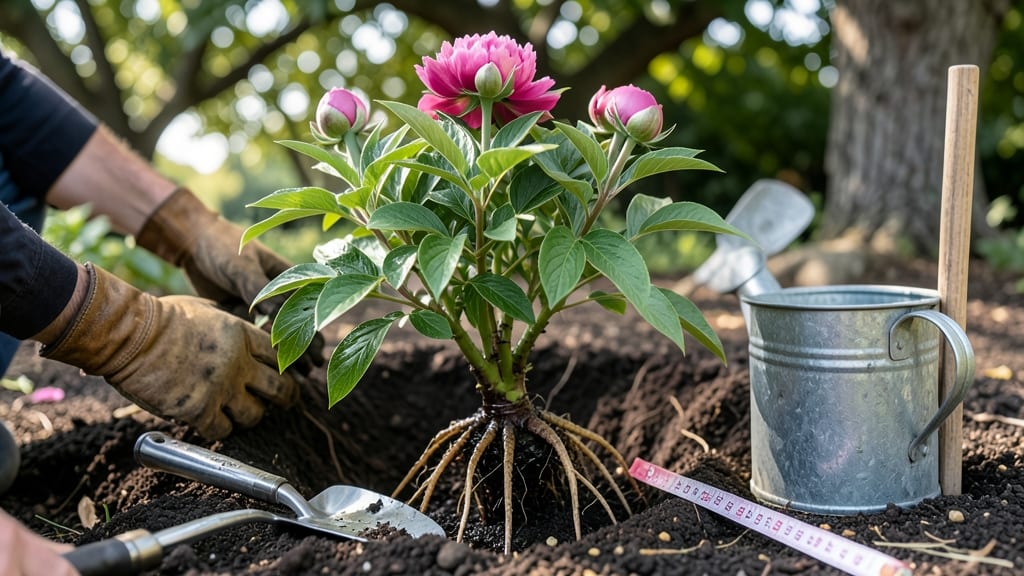
Replanting peony bushes can double your blooms next spring—but only if you do it right. 🌸 The secret lies in timing, careful root handling, and a spot with perfect sunlight and drainage. I’ve divided my overcrowded peony patch three times, and each transplant came back stronger than before.
Start by choosing a cool, cloudy day in early fall (September-October) or late winter (February-March) when roots are dormant but new growth hasn’t begun. Dig up the clump with a sharp shovel, keeping the root ball intact—even if it means cutting through stubborn soil.
Peonies hate soggy feet, so amend the new location with 3-4 inches of compost and a handful of bone meal for phosphorus.
Space divisions 2-3 feet apart in well-draining soil, and water deeply right after planting. Mulch with 2-3 inches of straw to retain moisture and protect roots from temperature swings. Within 2-3 weeks, new shoots will emerge—proof your peonies are settling in for a spectacular comeback.
Skip the urge to move peonies in summer or after they’ve already bloomed—they’ll sulk for years. And never plant them deeper than 2 inches below soil level, or you’ll get floppy stems and fewer flowers.
Patience pays off: my divided peonies now produce 50% more blooms than their original clumps.
📚 In This Guide
- What you need
- Instructions
- Tips and common mistakes
- Wrapping up and next steps
What you need
- ● Peony bushes: Healthy, established peony plants (3–5 years old) with multiple eyes (buds) per root section. Aim for at least 3–5 eyes per division for strong regrowth.
- ● Garden fork or digging spade: A sturdy, broad-bladed fork (or a sharp spade) to carefully lift roots without damaging them.
- ● Pruners or sharp shears: Clean, sterilized pruners to trim roots and foliage. A bypass pruner works best for clean cuts.
- ● Garden hose or watering can: To keep roots moist during the process—peony roots dry out fast!
- ● Compost or well-aged manure: 1–2 gallons per division to enrich the soil and promote root growth.
- ○ Organic mulch (optional but recommended): 2–3 inches of shredded bark, straw, or wood chips to retain moisture and suppress weeds.
- ● Rooting hormone: A natural or synthetic option (like willow water or a commercial gel) to boost root development in divisions.
- ● Garden gloves: Thick, cut-resistant gloves to protect your hands from thorns and rough roots.
- ● Wheelbarrow or tarp: For transporting soil, compost, or divided sections without straining your back.
- ● Soil test kit: To check pH (ideal range: 6.0–7.5) and nutrient levels before replanting.
- ● Epsom salt: 1 tablespoon per plant mixed into the soil for a magnesium boost (great for peony vigor!).
Step-by-Step instructions for replanting peony bushes
Here's how to divide and replant peonies with minimal stress for your plants.
🌱 Step 1: Choose the Right Time and Prepare Your Tools
Peonies need to be divided in early fall (September-October) or early spring (March-April) when the plant is just waking up but hasn't yet sent up new shoots. Avoid dividing in summer when the plant is in full bloom—this stresses the roots and reduces next year's flowers. Gather your tools: a sharp spade or digging fork, pruning shears, a bucket of water, and garden gloves for protection.
I like to work on a dry, overcast day when the soil is still workable but not soggy. Wet soil sticks to roots, making the division process messy and difficult. If you must work in wet conditions, wear waterproof gloves and work quickly to minimize root damage. Clear a workspace around your peony bushes so you can spread out tools and divided sections.
✂️ Step 2: Dig Up the Peony Bush and Divide the Roots
Use your spade to carefully dig around the entire peony bush, cutting through the soil about 12 inches away from the base of the plant. Lift the root ball out of the ground, being gentle to avoid breaking the crown (the thick, fleshy base where the roots meet the stems). Shake off excess soil to reveal the root structure—you'll see multiple eyes (buds) along the roots.
Here's the thing—you want to divide the root ball into sections with 3-5 eyes per division. Use your pruning shears to cut through the roots between these eyes, making sure each section has a good portion of the fleshy root. If a division has fewer than 3 eyes, it won't bloom well next year. I always label each division with a small stake and marker to keep track of varieties, especially if you're replanting different types.
🪴 Step 3: Prepare the New Planting Holes
While you're dividing, dig your new planting holes twice as wide as the root ball and 6-8 inches deep. Peonies hate being planted too deep—their crown should sit no more than 2 inches below the soil surface. If you plant them too deep, they may not bloom, or the stems could rot. Amend the soil in the hole with a 1-inch layer of compost mixed into the bottom to encourage root growth.
Space your new holes 3-4 feet apart to give each peony plenty of room to grow. If you're replanting in a row, leave 4-5 feet between rows for easy maintenance and airflow. Water the holes lightly before planting to settle the soil and remove air pockets. This ensures the roots will make good contact with the soil once you place the divisions in.
💧 Step 4: Plant the Divided Sections and Water Thoroughly
Place each divided section into its new hole, ensuring the crown sits at the correct depth (2 inches below soil level). Spread the roots out gently, making sure they're not curled or bent. Fill the hole with soil, pressing lightly around the base to remove air pockets. Avoid compacting the soil too firmly—peonies need loose, well-draining soil to thrive.
Water each newly planted division deeply until the soil is evenly moist to a depth of 6 inches. This helps the roots establish quickly and reduces transplant shock. Mulch around the base with 2-3 inches of organic mulch (like shredded bark or straw) to retain moisture and suppress weeds. Avoid piling mulch directly against the crown, as this can cause rot. You'll see new shoots emerge in 4-6 weeks, signaling that the roots are settling in.
☀️ Step 5: Provide Aftercare for Strong Establishment
For the first 2-3 weeks, keep the soil consistently moist but not soggy. Peonies are drought-tolerant once established, but newly replanted divisions need steady moisture to encourage root growth. Water deeply 2-3 times per week, adjusting based on rainfall. You'll know you're watering correctly when the soil feels damp 2 inches below the surface but not waterlogged.
Fertilize lightly in early spring with a balanced, slow-release fertilizer (like 10-10-10) to support new growth. Avoid high-nitrogen fertilizers, which encourage leafy growth at the expense of flowers. By next spring, your replanted peonies should reward you with lush, vibrant blooms—proof that your division was successful. If a plant skips blooming the first year, don't worry; it's normal for newly divided peonies to take a season to recover.
Tips & tricks for stress-free peony bush division
Real talk: Dividing peonies can feel intimidating, but these tricks will help you avoid common pitfalls and ensure your replanted bushes thrive.
Timing is Everything: The early fall (September-October) or early spring (March-April) windows are non-negotiable for healthy divisions. I learned this the hard way—attempting division during summer's peak bloom stresses the plant and often results in poor recovery. Look for those telltale signs: new shoots emerging in spring or just-wilted blooms in fall. These indicate the perfect moment when roots are active but not overburdened by growth demands.
Root Health Matters: When you're dividing those fleshy roots in Step 2, focus on clean cuts between the 3-5 eyes per division. Use sterilized pruning shears to prevent disease transmission. I've seen gardeners make the mistake of tearing roots rather than cutting—this creates jagged edges that heal poorly. For stubborn root sections, a quick dip in water before replanting helps remove any soil residue while keeping the cut edges moist and ready to establish.
Crown Depth is Critical: That 2-inch crown depth in Step 4 isn't just arbitrary—it's the sweet spot where peonies bloom reliably. Planting deeper than this can suffocate the crown, while planting too shallow exposes it to temperature fluctuations. To check depth during planting, use a small stick as a guide. Press the soil gently around the base to eliminate air pockets, but avoid compacting—peonies need that loose, well-draining soil to prevent rot.
Aftercare Makes All the Difference: The first 2-3 weeks after replanting are crucial for root establishment. I've found that using soaker hoses for the initial watering (as mentioned in Step 5) delivers moisture directly to the root zone without disturbing the soil surface. For extra insurance, add a layer of 2-3 inches of organic mulch around the base—but keep it clear of the crown. This moisture barrier helps maintain consistent soil dampness while suppressing weeds that compete for nutrients.
Pro Tips for Replant Peony Bushes
- Real talk: Dividing peonies can feel intimidating, but these tricks will help you avoid common pitfalls and ensure yo...
- Timing is Everything: The early fall (September-October) or early spring (March-April) windows are non-negotiable for...
- Root Health Matters: When you're dividing those fleshy roots in Step 2, focus on clean cuts between the 3-5 eyes per ...
Frequently asked questions
Got questions about replanting peonies? You’re not alone! Here are answers to the most common concerns—so you can tackle your project with confidence.
When is the best time to replant peony bushes?
The ideal window is early spring (just as buds swell) or early fall (after foliage yellows). Avoid extreme heat or frost—peonies hate stress! If you must replant in summer, water deeply and shade the roots temporarily to reduce shock.
How long does it take for replanted peonies to bloom again?
Patience is key! Established peonies may take 1–2 years to rebound fully. Focus on consistent watering (1–2 inches weekly) and mulching (2–3 inches of organic matter) to encourage root growth. Skip fertilizers the first year—they can stimulate leafy growth at the expense of blooms.
Can I replant peonies in the same spot after digging them up?
Yes, but only if the soil is well-draining and amended with compost. Peonies resent soggy roots. If your original spot is poor, relocate them to a sunnier area (6+ hours of light) with loose, fertile soil. Pro tip: Test pH (6.5–7.5 is perfect) to avoid nutrient deficiencies.
What should I do if my peony’s leaves turn yellow after replanting?
Yellowing leaves often signal root stress or overwatering. Check for:
- Mushy stems (fungus—reduce watering and improve drainage).
- Wilted foliage (underwatering—soak the roots deeply).
- Pale leaves (nutrient deficiency—add a balanced fertilizer in spring).
Are there alternatives if my peony clump is too small to divide?
No clump? No problem! Try these tricks:
- Layering: Bend a healthy stem to the ground, cover with soil, and water until roots form (takes 1–2 years).
- Seedlings: Collect seeds from spent blooms, stratify them (cold treatment for 60+ days), then sow in spring.
- Propagation from cuttings: (Less common but possible!) Use basal shoots in early spring—root in perlite until established.
Wrapping up and next steps
Replanting your peony bushes doesn’t have to be stressful—just follow these simple steps, and you’ll be rewarded with vibrant, healthy blooms for years to come! 🌸 With the right timing, tools, and care, division is a great way to refresh your garden and share peonies with friends.
Now that you’re armed with the know-how, take the plunge and give your peonies the fresh start they deserve.
Ready to get growing? Mark your calendar for early fall or spring—then roll up your sleeves and enjoy the satisfaction of a thriving garden! 🌱