
Pruning
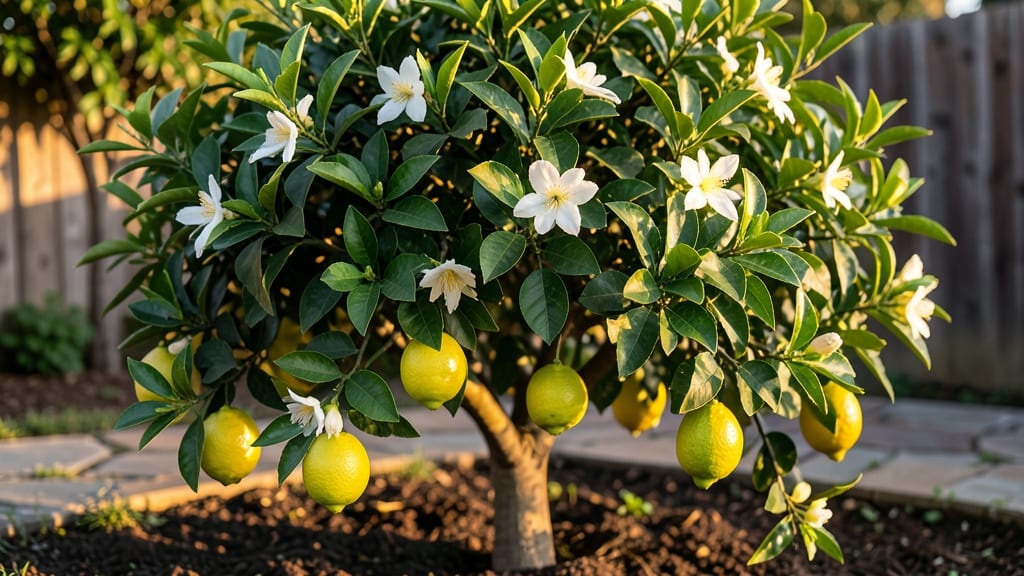
Meyer lemon bush care keeps your plant thriving with year-round blooms and fruit—just like the lush, productive bushes I’ve grown in my own garden. 🌿 I learned the hard way—skipping pruning means fewer lemons and leggy branches that block sunlight. The right cuts in the right season make all the difference between a bush that barely flowers and one covered in blossoms and fruit.
You'll need sharp pruning shears, a sterilized saw for thicker branches, and a clear plan for when to cut. Meyer lemons bloom on both old and new wood, so timing matters—prune too late, and you risk losing next year's flowers.
The key is a light trim after harvest and a heavier shape-up in late winter before new growth starts.
With proper care, you'll see new shoots emerging within 2-3 weeks of pruning, and those shoots will soon bear clusters of fragrant white blossoms. The fruit that follows stays sweet and juicy, with that signature Meyer lemon flavor that's sweeter than regular lemons.
Plus, the bush stays compact and manageable, even in small spaces.
Works for container growers too—just use a slightly larger pot each year. Here's how to keep your bush thriving through every season, from frost to summer heat.
📚 In This Guide
- What you need
- Instructions
- Tips and common mistakes
- Wrapping up and next steps
What you need
- ● Meyer lemon plant: A healthy, potted or in-ground bush (choose a mature one for best results).
- ● Well-draining soil: A mix of 60% potting soil, 30% perlite or coarse sand, and 10% compost (for potted plants).
- ● Pot (if container-grown): A 15-20 gallon container with drainage holes (or larger for mature bushes).
- ● Fertilizer: A balanced citrus fertilizer (e.g., 6-6-6 or 8-3-9) or organic options like fish emulsion or citrus-specific blends.
- ● Pruning tools: Sharp bypass pruners (for small branches).
- ● Clean hand pruners or loppers (for thicker stems).
- ● Disinfectant (70% isopropyl alcohol or bleach solution) to sterilize tools between cuts.
- ● Mulch: Organic mulch (e.g., straw or wood chips) to retain moisture and regulate soil temp.
- ○ Support (optional): A trellis or stakes if your bush grows tall or leggy.
- ● Citrus food: Slow-release pellets for extra nutrients.
- ● Grow lights: LED grow lights (if indoors) for 12-14 hours/day in low-light areas.
- ● Humidity tray: A pebble tray with water to boost humidity in dry climates.
- ● Pruning sealant: To prevent sap oozing after cuts (e.g., pruning wax).
- ● Glove: A pair of gardening gloves to protect from thorns and sap.
Step-by-Step guide to pruning your Meyer lemon bush
Strategic pruning keeps your Meyer lemon bush healthy, productive, and blooming year-round.
✂️ Step 1: Prune for Airflow and Sunlight in Late Winter
Wait until late winter—after the last frost but before new growth begins. Remove any dead, diseased, or crossing branches first. I use sharp, clean pruners to make 45-degree cuts just above a leaf node. This prevents water from pooling and keeps the plant healthy.
Focus on the center of the bush—thin out crowded branches to improve airflow. You’ll see better fruit production and fewer pest issues. Aim for an open, vase-like shape so sunlight reaches all parts of the plant. Never remove more than 25% of the foliage at once—this stresses the plant.
🌿 Step 2: Encourage Blooms by Trimming After Harvest
After your spring harvest, trim back any overgrown or leggy branches. Cut just above a set of three leaves to encourage new growth. Meyer lemons bloom best when they have plenty of sunlight and air circulation, so avoid heavy pruning during hot summer months—this can shock the plant.
Watch for new shoots emerging near the cuts. These will become your next season’s fruit-bearing branches. If you see weak, spindly growth, trim those back to redirect energy to stronger stems. This is the time to shape the bush for better fruit access and easier maintenance.
☀️ Step 3: Light Pruning in Summer to Prevent Overgrowth
During summer, focus on light maintenance pruning—just enough to keep the bush tidy. Remove any suckers (small shoots growing from the base or along branches) and any leaves that look yellowed or diseased. Use your fingers or small pruners to avoid damaging the plant.
If your Meyer lemon bush gets too tall, trim the topmost branches to encourage bushier growth. You’ll notice new branches forming lower down, which helps balance the plant’s shape. Avoid heavy pruning now—summer is when the plant is most vulnerable to stress.
⏰ Step 4: Prepare for Winter with Minimal Trimming
In early fall, give your Meyer lemon bush a final light trim to remove any dead or damaged branches. Avoid heavy cuts now—the plant needs all its energy to prepare for winter. Focus on thinning out dense areas to keep airflow strong.
If you live in a cold climate, consider moving your potted Meyer lemon indoors before temperatures drop below 40°F. If left outside, protect the plant with burlap wraps or a frost cloth to shield it from harsh winds. This keeps the roots warm and the plant healthy through winter.
Tips & tricks for perfect Meyer lemon bush care
Here's what nobody tells you about keeping your Meyer lemon bush thriving all year—these tricks make all the difference.
Tool Tip: Invest in a good pair of bypass pruners—they make clean cuts that heal faster than jagged snips. I sterilize mine with rubbing alcohol between cuts to prevent spreading disease. For thicker branches, use a pruning saw instead of forcing the pruners. Sharp tools mean less stress on the plant and cleaner cuts that don't tear the bark.
Seasonal Timing: The late winter timing in Step 1 is crucial—wait until after your last frost date (check your local weather service) to avoid damaging new growth. If you're unsure, observe your plant: when you see fresh green buds starting to swell, that's your cue to prune. In warmer climates, this might be February, while colder regions should wait until March or April. The goal is to prune just before the plant's natural growth spurt.
Visual Cues: When shaping your bush in Step 2, look for branches that grow inward toward the center—these are the ones to remove first. They block sunlight and air circulation, creating prime conditions for fungal diseases. Aim to see light through the center of the bush when you stand in front of it. This open structure also makes harvesting lemons much easier! If you're unsure which branches to cut, snap a photo before pruning and compare it to your vision of an open vase shape.
Winter Protection: That 40°F threshold in Step 4 is your hard limit for outdoor protection. If you're in a zone where temperatures drop below this, move potted plants to a sheltered spot like a garage or under an eave. For container plants, wrap the pot in bubble wrap or place it on a foam board to insulate the roots. Even a few degrees of extra warmth can make the difference between a healthy plant and frost damage. In extreme cold, consider using a small space heater near the plant (with proper ventilation) to maintain that 40°F minimum.
Pro Tips for Meyer Lemon Bush Care
- Here's what nobody tells you about keeping your Meyer lemon bush thriving all year—these tricks make all the difference.
- Tool Tip: Invest in a good pair of bypass pruners—they make clean cuts that heal faster than jagged snips. I steriliz...
- Seasonal Timing: The late winter timing in Step 1 is crucial—wait until after your last frost date (check your local ...
Frequently asked questions
Got questions about keeping your Meyer lemon bush thriving? Here are answers to the most common ones—so you can enjoy those sweet, fragrant lemons all year long!
How often should I prune my Meyer lemon bush?
Prune your Meyer lemon bush 2-3 times a year, focusing on shaping in late winter (before new growth), light trimming after flowering to encourage fruit production, and cleanup pruning in early summer. Avoid heavy pruning during fruiting season—this can stress the plant and reduce yields.
Can I prune my Meyer lemon bush too much?
Yes! Over-pruning—especially cutting back more than 1/3 of the plant at once—can weaken your Meyer lemon bush, reduce flowering, and even shock the plant. Stick to strategic cuts to maintain airflow and shape while preserving healthy foliage. Pro tip: Always use clean, sharp pruners to prevent disease.
What should I do if my Meyer lemon bush drops leaves or flowers?
Leaf or flower drop is often a sign of stress, which can happen due to over-pruning, underwatering, temperature swings, or nutrient deficiencies. Check your plant’s roots, adjust watering (keep soil consistently moist but not soggy), and fertilize with a citrus-specific blend. If cold drafts are the issue, move your bush to a protected, sunny spot.
Do Meyer lemon bushes need full sun to thrive?
While Meyer lemons love 6-8 hours of sunlight daily, they can tolerate partial shade (4-6 hours), especially in hot climates. If growing indoors, place near a south-facing window or use grow lights. Just avoid deep shade—this can lead to leggy growth, fewer blooms, and smaller fruit.
What’s the best way to revive a neglected Meyer lemon bush?
Start with a gentle reset: Trim dead or overcrowded branches, repot if roots are circling, and adjust watering. Feed with a balanced citrus fertilizer (like 6-6-6) every 4-6 weeks in growing season. If the soil is compacted, amend it with perlite or sand to improve drainage. Patience is key—healthy regrowth can take a few months!
Wrapping up and next steps
Caring for your Meyer lemon bush is a rewarding journey that blends patience, precision, and a little love for nature’s citrusy treasures! 🌿 With the right tools, seasonal trimming techniques, and a watchful eye for pests, you’ll enjoy year-round blooms and bountiful harvests.
Remember, consistency is key—whether you’re shaping young branches or maintaining mature growth.
Ready to take the next step? Grab your pruners, dust off that fertilizer, and give your Meyer lemon bush the TLC it deserves! Your future harvests—and the sweet scent of blossoms—will thank you. 🍋✨