
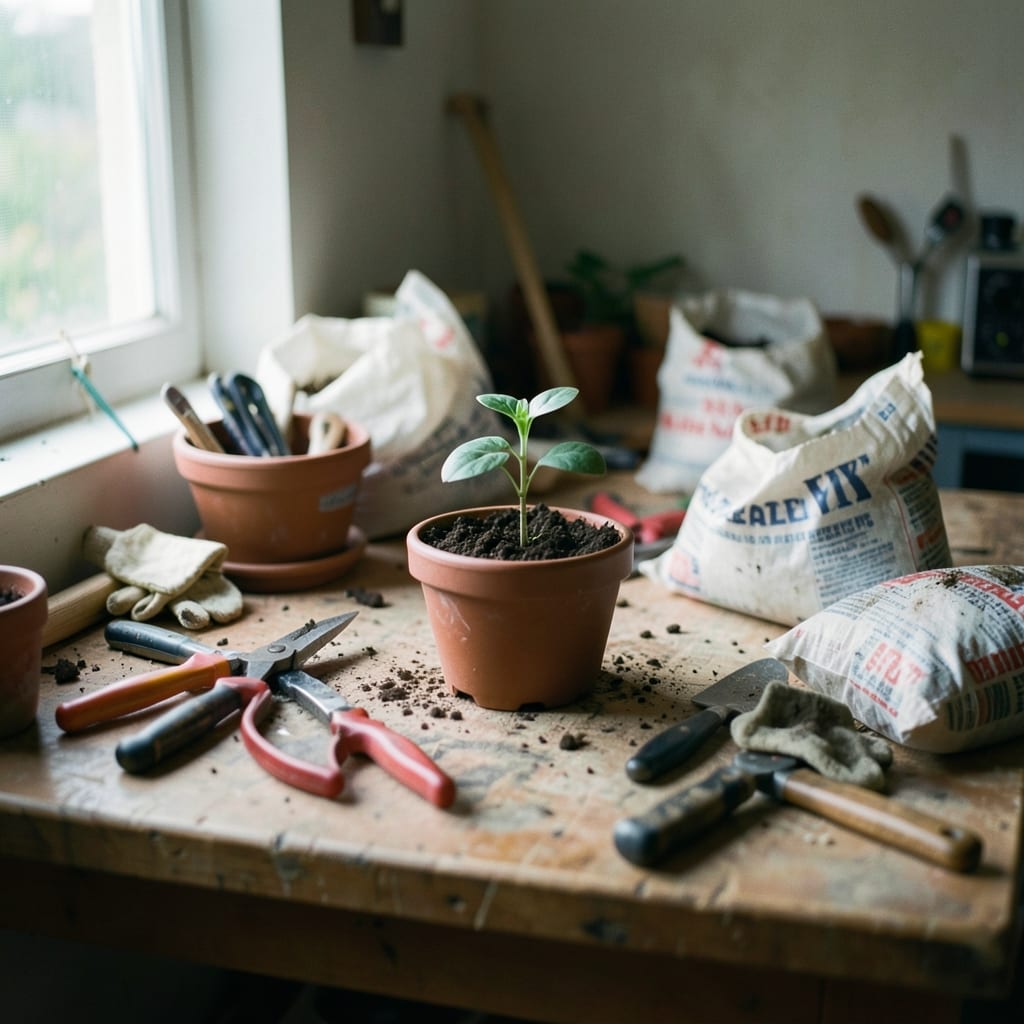
It started with one seedling that refused to straighten
It was a late spring in Ohio, and I had just planted a flat of tomato seedlings in the greenhouse. The soil was warm, the light was good, and the stems looked sturdy—until they didn’t.
By the third day, half of them had leaned over like drunken sailors, their leaves curling toward the light instead of reaching for it. I’d watered them the same way I always did, given them the same sun, even used the same potting mix. But something was wrong.
The problem wasn’t just the bend. It was the *texture*—the stems felt soft, almost mushy, when I touched them. I’d read about damping-off before, but this wasn’t rot. It was something slower, something that made the seedlings sag without collapsing.
I propped them up with toothpicks, adjusted the airflow, even tried a sprinkle of cinnamon (a desperate, half-remembered remedy). Nothing worked.
For two weeks, I watched them struggle. Some straightened for a day, only to slump again. Others grew taller but stayed crooked, their leaves yellowing at the edges. I’d never seen a batch of seedlings so stubbornly unwilling to stand.
And no matter how carefully I checked the soil or the light, I couldn’t put my finger on why.
Nine tries before it worked
The first five attempts all failed in the same way—the seedlings would perk up for a day or two, then sag again. I blamed the soil first, switching from peat-based mix to coconut coir, then adding perlite, then vermiculite. None of it fixed the softness.
The sixth try, I moved them under a fan I’d borrowed from my neighbor, running it on low. That helped—some of them stayed upright—but the stems were still thin, almost brittle.
By the seventh attempt, I’d given up on remedies and started measuring. The greenhouse’s humidity was hovering around 70%, even with the vents open. I cracked a window, added a dehumidifier, and tracked the numbers every hour. The eighth batch grew straighter, but the leaves still yellowed at the tips.
Then I noticed the light: the seedlings closest to the south-facing window were the only ones thriving. The others, shaded by the frame, were stretching toward the light but never quite reaching it.
The ninth time, I thinned the seedlings so they weren’t competing, raised the fan’s speed just enough to dry the soil faster between waterings, and moved the flattest ones to a shelf where they got direct light for six hours a day. That’s when it clicked.
The stems stayed firm, the leaves stayed green, and by the time I transplanted them outside, they were strong enough to handle the wind. But it had taken nine tries to get there.
The mind behind these pages
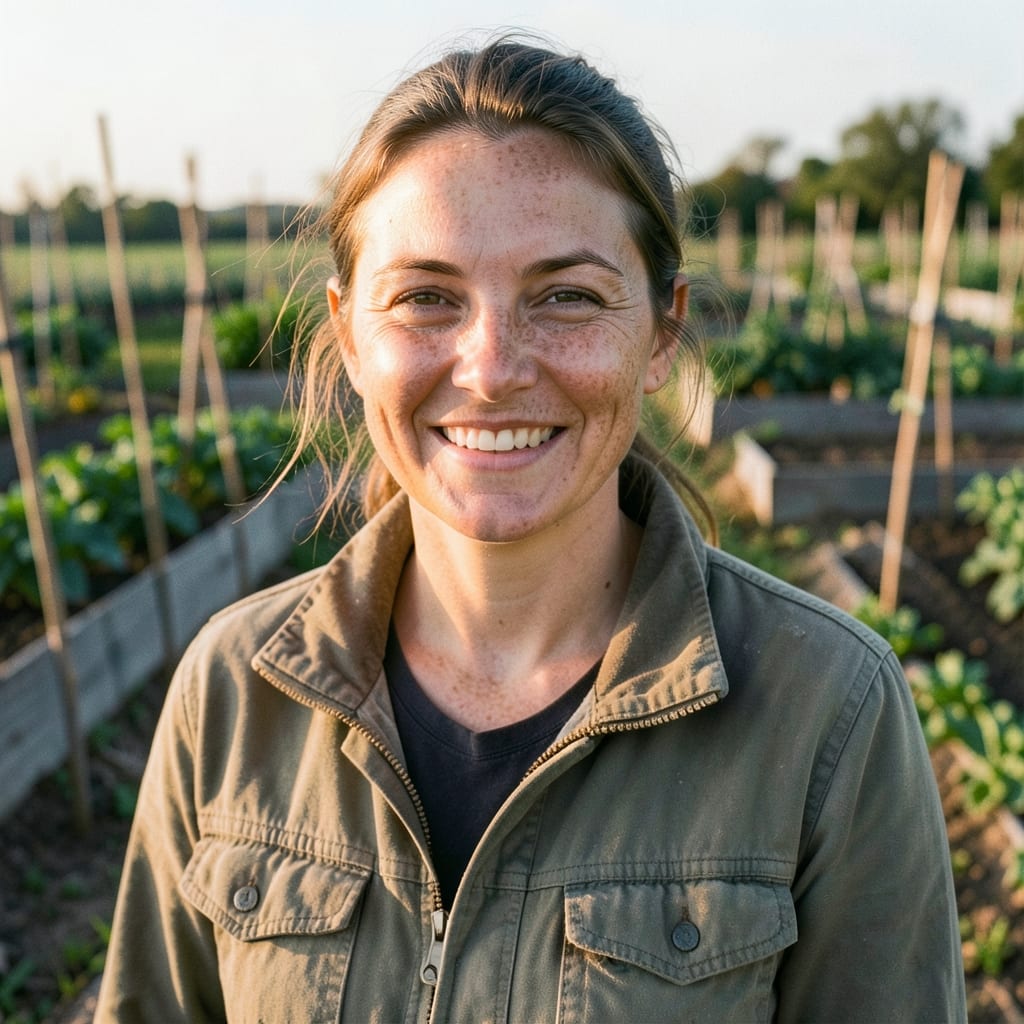
That’s me—Adriana Janowski—standing in that greenhouse, my hands still smudged with soil, staring at a flat of seedlings that just wouldn’t behave. I’d always had a green thumb, but this was different. This was the first time I’d hit a problem that didn’t have an obvious answer.
My mother used to joke that I turned our backyard into a jungle before I could read, but even she couldn’t explain why these stems were so stubborn.
I’m the kind of person who tries something nine times before admitting it might not work. It’s a habit that’s gotten me into trouble—burned batches of compost, overwatered ferns, a single rose bush that took three years to bloom—but it’s also what led me to start *Bush Bloom Guide*.
Because gardening, at its best, isn’t about following rules. It’s about noticing when the rules don’t fit, and then figuring out why.
I don’t cook. I don’t bake. I don’t even own a single kitchen tool that isn’t a spoon or a knife for pruning. But I do keep a notebook by the sink where I jot down what worked, what didn’t, and why.
The pages are half soil tests, half doodles of plants that looked right but weren’t.
This site is where I write down the nine tries it takes to get something right—not as a lesson, but as a conversation. Because if there’s one thing those seedlings taught me, it’s that the best answers come from the failures you don’t give up on.
Everything here is written the way that plant was
Every page on this site is built the same way: with a flat of seedlings that won’t stand, a notebook full of half-right guesses, and a stubborn refusal to stop trying.
The difference is, now I write it down *while* it’s happening—not after, when the stems are straight and the soil is perfect. That’s how the ‘Notes’ section got started: the messy, unfiltered bits that don’t belong in a tidy list of steps.
Some pages take three drafts. Others take twelve. The ones about perennials are the worst—they’re like that ninth batch of seedlings, where you think you’ve got it, and then the first frost hits, and you realize you still don’t.
But every one of them stays on the site, even the ones that don’t work. Because the point isn’t to have all the answers. It’s to show you how we got to them.
Months later, when I look back at a page, it’s not the polished version that matters. It’s the version where the soil was still damp, the light was wrong, and the seedlings were leaning—because that’s where the real work happens.
And that’s what you’ll find here: the garden as it’s being made, not as it looks when it’s done.
What that means for you
You’ll find no ‘foolproof’ steps here, no guarantees that your tomatoes will ripen or your roses will bloom.
What you *will* find is the exact moment I realized the soil was too dense, or the light was too weak, or the seedlings were fighting each other for space—and what I did about it. Because gardening isn’t about avoiding mistakes. It’s about learning which ones matter.
This site isn’t for people who want a list. It’s for people who’ve propped up a crooked stem and wondered why it didn’t stay straight. Who’ve watered a plant and then watched it wilt, anyway.
Who’ve spent an hour adjusting something that *should’ve* been right, only to have it fail again. If that’s you, you’re already speaking the same language.
Send me a photo and a sentence about what you’ve tried so far. The best stories—whether they end in triumph or another flat of seedlings—might just find their way onto these pages. Your turn to teach me something.
The guides are grouped by category: Advice, Aphids, Blooming, Companion Plants, Container Gardens and How To.