
Diseases
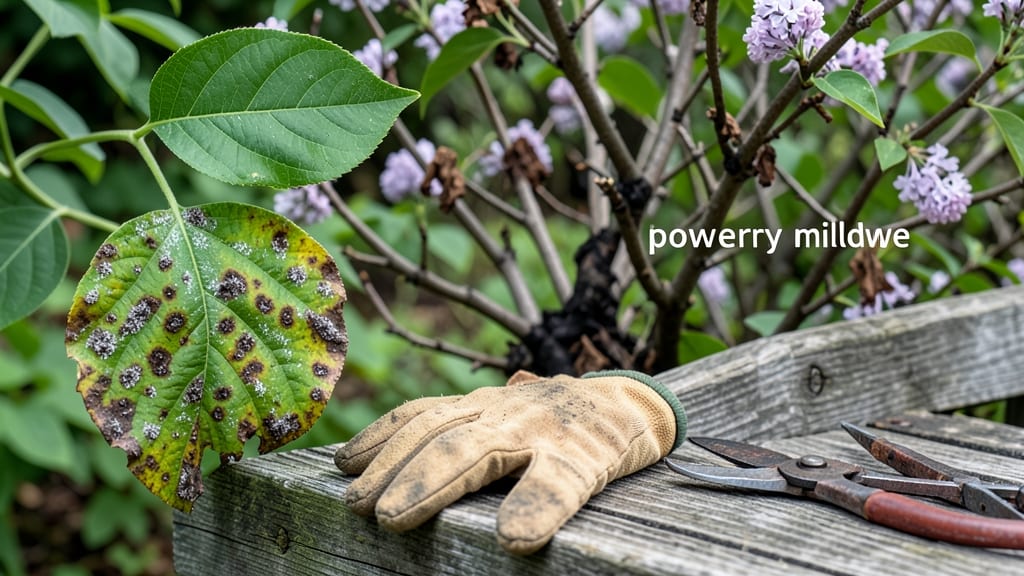
Your diseased lilac bush might look like a lost cause, but three strategic cuts can bring it back to life. ✂️ I’ve nursed back bushes with powdery mildew, bacterial spots, and even verticillium wilt—here’s how to diagnose the problem and prune it to health without losing the plant entirely.
The key is acting fast: blackened stems, yellowing leaves, and grayish powder are dead giveaways. Most diseases spread through water splashing or weak branches, so prune before the infection takes over.
Grab your shears and focus on removing only the infected parts—never more than a third of the bush at once. After cutting, you’ll see fresh green shoots within 2-3 weeks if the roots are still strong.
The bush will regain its fragrant purple blooms by next spring, looking better than ever. Just avoid overhead watering and mulch heavily to prevent future outbreaks. Works for powdery mildew, bacterial leaf spot, or even fungal wilt—this method saves lilacs year after year. Let’s get those branches trimmed right!
Root Causes Of Lilac Decline
When your once-vibrant lilac bush starts wilting, discoloring, or dropping leaves prematurely, the culprit is rarely a single factor. Instead, it’s usually a mix of environmental stress, fungal or bacterial infections, and poor cultural practices.
Understanding why your lilac bush is struggling is the first step toward revival. Below, we break down the most common reasons—backed by science—and what’s really happening at the plant level.
Lilacs hate soggy roots. While they thrive in moist soil, excessive watering or compacted, waterlogged conditions create the perfect storm for root rot (Phytophthora and Pythium fungi). Here’s what’s going wrong:
- Oxygen deprivation: Roots need air to respire. Waterlogged soil displaces oxygen, suffocating roots and triggering anaerobic bacteria that produce toxic byproducts like ethanol.
- Fungal invasion: Fungi like Phytophthora thrive in wet conditions, clogging root xylem vessels and blocking water/nutrient transport. Symptoms? Yellowing leaves, stunted growth, and a foul odor near the base.
- Nutrient leaching: Overwatering washes away essential nutrients (like nitrogen and potassium), leaving the plant weak and susceptible to secondary pests.
Pro tip: Test your soil’s drainage by digging a 12-inch hole, filling it with water, and timing how long it takes to drain. If it’s slower than 4–6 hours, amend with perlite or coarse sand. 🌡️ Action: Prune affected branches (see our 3-cut method) and improve soil aeration with gypsum or organic matter.
Lilacs are prime targets for pathogens that exploit weak spots—often introduced through wounds, splashing water, or crowded planting. The most aggressive offenders:
| Disease | How It Starts | Plant Reaction |
|---|---|---|
| Powdery Mildew (Erysiphe spp.) | Spores spread via wind or water; thrive in humid (60–80% RH) conditions with poor airflow. | White, powdery coating on leaves → curled, yellowed foliage → premature defoliation. |
| Botrytis Blight (Botrytis cinerea) | Infects through damaged tissue (e.g., frost, hail, or pruning cuts). Loves cool, wet springs. | Brown, mushy spots on stems/flowers → blackened, shriveled buds. |
| Bacterial Blight (Pseudomonas syringae) | Enter through pruning wounds or rain-splashed droplets. Spreads via contaminated tools. | Oozing, water-soaked lesions on stems → wilting, blackened cankers. |
Why it’s sneaky: Many fungal spores overwinter in dead leaves or soil, lying dormant until conditions (like 50+ consecutive humid nights) trigger an outbreak. 💡 Action: Remove infected debris immediately and apply neem oil or baking soda spray (1 tsp baking soda + 1 quart water + a drop of soap) to prevent spread.
Lilacs are hardy, but they’re not immune to environmental abuse. These factors weaken their defenses, making them vulnerable to diseases:
- Extreme heat/drought: Stress from 90°F+ temps or prolonged dry spells forces the plant to prioritize survival over disease resistance. Stunted growth = easier fungal entry.
- Poor sunlight: Lilacs need 6+ hours of direct sun. Shady spots lead to chlorosis (yellowing leaves) and weak stems, inviting pests like spider mites.
- Sudden temperature swings: Late frosts or freeze-thaw cycles damage buds and bark, creating entry points for bacteria.
Science note: Research shows lilacs close stomata (leaf pores) under drought stress, reducing photosynthesis by up to 40%. This weakens the plant’s ability to fight pathogens. ❄️ Action: Mulch with wood chips to stabilize soil temps and water deeply 1–2x/week during droughts.
Improper pruning is a top cause of bacterial infections. Here’s how it backfires:
- Dirty tools: Pruners contaminated with Pseudomonas bacteria can inject pathogens directly into fresh cuts.
- Wrong timing: Pruning in late summer/fall (when new growth is tender) leaves wounds exposed to fall rains.
- Over-pruning: Removing more than 1/3 of the bush in one session stresses the plant, reducing its ability to heal.
Key insight: Lilac bark contains phenolic compounds that naturally seal cuts—but only if the cut is clean and made at the right time (right after flowering). ⏰ Action: Sterilize tools with 70% isopropyl alcohol and make cuts at a 45° angle just above a bud.
Revitalize Your Lilac with Targeted Care
A diseased lilac bush doesn’t have to be a lost cause—with the right approach, you can nurse it back to health and even prevent future issues. The key is identifying the root cause (literally and figuratively) and applying targeted fixes tailored to your lilac’s specific struggles.
Below, we break down the most common ailments and the step-by-step solutions to restore your bush’s vibrancy. Plus, we’ll share preventive tips to keep your lilac thriving long-term.
Fungal infections are the #1 enemy of lilacs, but they’re also the easiest to combat with proactive care.
🔥 Step 1: Prune Infected Branches Immediately
- ✂️ Cut away any leaves, stems, or flowers showing white powdery residue (powdery mildew), black spots (Botrytis), or mushy, discolored wood (root rot).
- Disinfect your pruners with 70% isopropyl alcohol or a 10% bleach solution (1 part bleach to 9 parts water) between cuts to prevent spreading spores.
- Remove debris from the base of the bush and compost it away (do not leave it near the plant).
🍳 Step 2: Apply Fungicide (Organic or Chemical)
- For mild infections: Spray with a baking soda solution (1 tbsp baking soda + 1 tsp dish soap + 1 gallon water).
Reapply every 7–10 days in humid conditions. - For severe cases: Use a copper-based fungicide (like Copper Soap) or a neem oil spray (1 tbsp neem oil + 1 tsp mild soap + 1 quart water).
Apply every 2 weeks until the issue clears. - 💡 Pro Tip: Water lilacs early in the morning to allow foliage to dry quickly—fungi thrive in moisture!
👨🍳 Step 3: Improve Airflow & Soil Health
- Thin out overcrowded branches to enhance airflow (fungi love damp, stagnant environments).
- Aerate compacted soil with a garden fork and mix in compost to boost drainage.
- Mulch properly: Use 2–3 inches of organic mulch (like wood chips) but keep it 6 inches away from the trunk to prevent rot.
🌡️ Prevention Tips for Fungal Recurrence
- ✨ Space lilacs 4–6 feet apart to reduce humidity buildup.
- Avoid overhead watering—use drip irrigation or a soaker hose instead.
- Plant in full sun (6+ hours/day)—fungi flourish in shady, damp conditions.
Pests weaken lilacs by sucking sap or tunneling into stems, making them vulnerable to secondary diseases.
🔪 Step 1: Handpick or Blast Off Soft-Bodied Pests
- Aphids & spider mites: Spray them off with a strong stream of water (do this in the early morning).
- For stubborn clusters: Wipe leaves with a soapy water solution (1 tsp mild soap per quart of water).
🥘 Step 2: Introduce Natural Predators
- Ladybugs, lacewings, and parasitic wasps devour aphids. Buy them from garden centers or plant companion flowers like marigolds or dill to attract them.
- Birds love borers—install a bird feeder near your lilac to encourage natural pest control.
⏰ Step 3: Treat Wood-Boring Insects (Like Lilac Borers)
- Look for: Small holes in stems, sawdust-like frass, or wilting branches.
- Fix it:
- Prune and destroy heavily infested branches (burn or bag them).
- Apply horticultural oil (like Neem Oil) in late winter/early spring before new growth starts.
- For severe cases: Use permethrin-based insecticide (follow label instructions).
🎯 Prevention Tips for Pest-Free Lilacs
- 💡 Plant resistant varieties like Syringa vulgaris ‘Charles Joly’ (less prone to borers).
- Keep the area weed-free—pests hide in weeds!
- Inspect new plants before bringing them home (quarantine for a week if possible).
If your lilac looks lanky, yellow, or sparse, it’s likely starving for key nutrients.
📊 Step 1: Diagnose the Deficiency
| Symptom | Likely Cause | Quick Fix |
|---|---|---|
| Yellow lower leaves | Nitrogen deficiency | Apply balanced fertilizer (10-10-10) in early spring. |
| Purple stems/leaves | Phosphorus deficiency | Use a bone meal or rock phosphate supplement. |
| Weak, spindly growth | Potassium deficiency | Feed with wood ash or potassium sulfate. |
| Stunted new growth | Micronutrient lack (Fe, Mg, Zn) | Spray with chelated iron or Epsom salt (for magnesium). |
💪 Step 2: Feed Your Lilac Right
- Best fertilizer: Slow-release, organic options like fish emulsion, compost tea, or a 10-10-10 granular fertilizer applied in early spring.
- Avoid over-fertilizing—lilacs prefer lean soil and can suffer from salt burn if overfed.
- 🌱 Top-dress with compost annually to improve soil structure.
🍎 Prevention Tips for Healthy Growth
- Test your soil every 2–3 years (use a DIY kit or send a sample to a lab).
- Mulch lightly (1–2 inches) to retain moisture and nutrients without suffocating roots.
- Prune in late winter to encourage strong, nutrient-rich new growth.
Even healthy lilacs can decline if their basic needs aren’t met.
💦 Step 1: Adjust Watering Habits
- Underwatering: Soil feels bone-dry 2 inches deep → Water deeply 1–2 times per week (depending on climate).
- Overwatering: Mushy stems, yellowing leaves, or foul-smelling soil → Let soil dry out between waterings and improve drainage (see below).
🏗️ Step 2: Improve Drainage
- Amend heavy clay soil with sand, perlite, or compost to prevent root rot.
- Raise beds slightly if your yard has poor drainage (lilacs hate “wet feet”).
- Install a French drain if water pools around the base.
🌡️ Prevention Tips for Environmental Resilience
- ✨ Plant in well-draining soil—lilacs hate soggy roots!
- Group with drought-tolerant plants to reduce maintenance.
- Mulch with gravel or bark to regulate soil temperature in hot climates.
Final Thought: A diseased lilac can bounce back with patient, targeted care. Start by identifying the problem, then tackle it head-on with pruning, treatments, and soil improvements. With a little effort, your lilac will reward you with vibrant blooms for years to come! 🌸✨
Frequently asked questions about saving a diseased lilac bush
What are the first signs my lilac bush might be diseased?
Watch for white powdery residue on leaves (powdery mildew), blackened stems or oozing lesions (bacterial blight), or yellowing leaves with stunted growth (root rot or nutrient deficiency). Early detection is key—act within 1-2 weeks to prevent spread.
Can I save a lilac bush with blackened stems?
Yes, but act fast! Prune only the blackened stems (cut 6 inches below the damage) and disinfect tools with 70% alcohol. Apply copper fungicide and improve airflow by thinning branches. If over 50% of the bush is affected, consider replanting.
How often should I spray fungicide on my lilac?
For fungal issues, spray every 2 weeks during humid seasons (spring/fall) or after heavy rains. Use neem oil or baking soda spray for organic control. Stop spraying 6 weeks before first frost to allow foliage to harden.
Will pruning help if my lilac has root rot?
Pruning alone won’t fix root rot, but it helps the plant focus energy on healthy roots. Remove all infected stems and improve drainage by amending soil with perlite or sand. Water only when top 2 inches of soil are dry to prevent worsening rot.
Can I use household items to treat my lilac?
Mix 1 tbsp baking soda + 1 tsp dish soap + 1 gallon water for a mild fungicide. For pests, spray soapy water (1 tsp mild soap per quart) on aphids. Avoid vinegar—it burns plant tissue. Always test sprays on a small area first!