
Shrubs
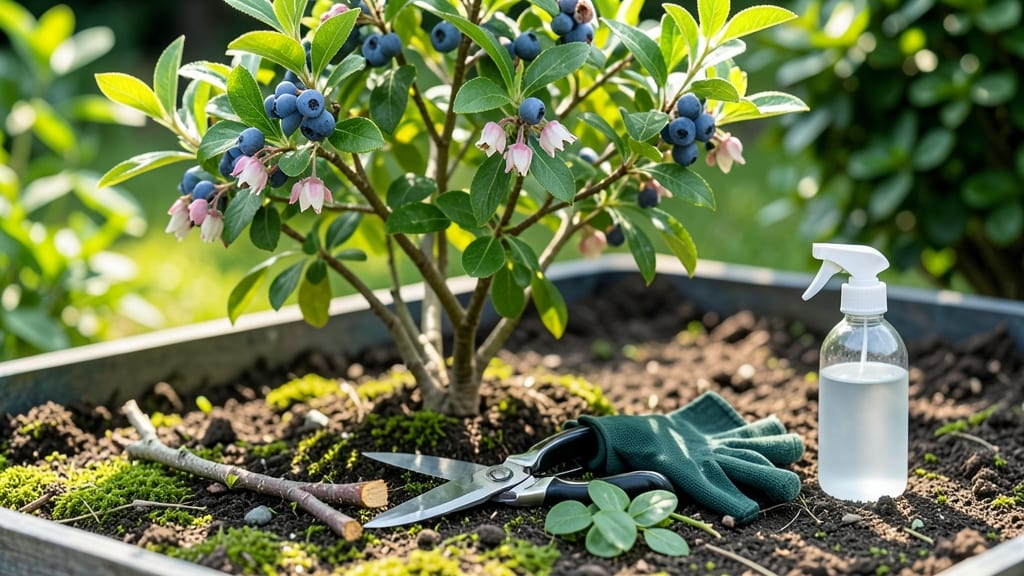
Cutting blueberry bushes right means more berries next summer. ✂️ I’ve learned the hard way that pruning at the wrong time can turn your bush into a berry-free stick—so timing matters more than you’d think. The key is working with the plant’s natural cycle, not against it.
You’ll need just three tools: sharp pruners for clean cuts, loppers for thicker branches, and gloves to protect from thorns. Timing is everything—prune right after harvest (late summer) to remove dead wood, and do a light shape-up in late winter before buds swell.
Avoid heavy cuts in spring or fall, or you’ll stunt next year’s crop.
Start by removing dead, diseased, or crossing branches first—they’re the easiest to spot. Then thin out older stems (more than 6 years old) to let sunlight reach the center.
After pruning, water deeply to help the bush recover, and watch for new growth within weeks. The result? A bush that produces 20-30% more berries the following season.
This method works for both highbush and lowbush varieties, whether you’re pruning a single plant or a whole row. The same principles apply whether your bushes are in a home garden or a commercial patch—just scale up the tools. Let’s get those bushes looking sharp!
📚 In This Guide
- What you need
- Instructions
- Tips and common mistakes
- Wrapping up and next steps
What you need
- ● Pruning shears (secateurs) – Sharp, bypass-style pruners (for clean cuts on smaller branches). Quantity: 1 pair.
- ● Loppers – For thicker branches (up to 2 inches in diameter). Quantity: 1 pair.
- ● Pruning saw – For larger, woody stems. Quantity: 1.
- ● Gloves – Heavy-duty, thorn-resistant gloves (blueberry bushes can be prickly!). Quantity: 1 pair.
- ● Disinfectant (70% rubbing alcohol or bleach solution) – To sterilize tools between cuts (prevents disease spread). Quantity: Small bottle or spray.
- ○ Garden twine or ties – Optional, for securing branches if needed.
- ● Trash bags or bucket – For collecting pruned branches and debris.
- ● Hose or water source – To clean tools and rinse off sap.
- ○ Markers or flags – Optional, for labeling sections if you’re training a new bush.
- ● Safety glasses – Recommended if working with thick branches.
- ● Know your blueberry bush’s variety and age (some require different pruning approaches).
- ● Check the season—prune dormant bushes (late winter/early spring) for best results.
- ● Have a clear plan (refer to your notes or a pruning guide for your specific bush).
- ● Weather check: Avoid pruning in wet or freezing conditions.
Step-by-Step instructions for pruning blueberry bushes
This is the method I've used for years to keep my blueberry bushes producing bountiful harvests while staying healthy.
✂️ Step 1: Identify and Remove Dead or Diseased Wood
Start by examining your bushes carefully. Look for branches that are completely brown and brittle—these are dead and need removal. You'll also spot branches with dark spots, mold, or unusual growths; these are diseased and must go. Use sharp pruning shears to cut these branches back to the main stem or to a healthy bud. I always sterilize my shears with rubbing alcohol between cuts to prevent spreading any disease.
Don't worry about being too aggressive here. The goal is to remove anything that's clearly not contributing to the plant's health. You'll see the difference immediately as you work—healthy wood has a firm texture and light brown or greenish color, while dead wood feels hollow when tapped.
✂️ Step 2: Thin Out Overcrowded Branches
Blueberry bushes produce best when they have good airflow. Look for branches that are growing inward or crossing over each other. These need to go to prevent rubbing and disease. I aim to keep the bush open and airy, like a bird's nest with plenty of space between branches. Cut these back to the main stem or to a healthy outward-facing bud.
For established bushes, you'll want to remove about 20-30% of the oldest wood each year. This encourages new growth and keeps the plant productive. The oldest branches are usually the largest ones at the center of the bush. You'll notice they often have fewer berries and smaller leaves.
☀️ Step 3: Prune for Light Penetration and Fruit Production
Now focus on shaping the bush to allow sunlight to reach the center. Cut back any branches that are shading the interior too much. I like to create a vase-like shape with the outer branches. This ensures the inner branches get enough light to produce fruit. When pruning, always cut just above a bud that's facing outward or upward.
Pay special attention to the tips of branches. If they're growing too long and leggy, trim them back by about one-third. This encourages bushier growth and more fruiting laterals. You'll see new shoots emerging from the sides within a few weeks of pruning.
⏰ Step 4: Time Your Pruning for Best Results
For most blueberry varieties, the best time to prune is late winter or early spring, just before new growth begins. This is when the plant is dormant, making it easier to see the structure and make clean cuts. If you're dealing with a particularly overgrown bush, you can do light pruning in summer to improve airflow, but avoid heavy pruning then.
Never prune in fall. The fresh cuts can't heal properly before winter, making the bush more vulnerable to disease. You'll know you've timed it right when you see fresh green leaves starting to emerge from the buds you left behind.
🌿 Step 5: Clean Up and Maintain Year-Round
After pruning, gather all the cuttings and dispose of them properly. Don't compost diseased wood—burn it or put it in the trash to prevent spreading pathogens. Sweep up any fallen leaves and debris from around the base of the bush. This keeps pests and diseases from overwintering in your blueberry patch.
Throughout the growing season, keep an eye out for any new growth that needs attention. Remove any suckers that appear at the base of the bush—they drain energy from the main plant. A little regular maintenance between pruning seasons keeps your bushes looking great and producing well.
Tips & tricks for pruning blueberry bushes
These simple but game-changing tips will help you transform your blueberry bushes into productive, healthy powerhouses.
Tool Prep: Always sterilize your pruning shears between cuts—especially when removing diseased wood. I keep a small bottle of rubbing alcohol handy and wipe down the blades after every 3-4 cuts. This prevents cross-contamination that could spread disease throughout your bush. A sharp, clean cut also heals faster than a jagged one, so take your time with each snip.
Visual Cues for Healthy Wood: In Step 1, when identifying dead wood, tap branches firmly with your knuckles. Healthy wood makes a solid thunk sound, while dead wood feels hollow and makes a dull thud. This quick test saves time compared to guessing—no need to cut branches you might not need to remove. Also look for light brown or greenish hues in healthy wood versus the dark, grayish tones of dead or diseased branches.
Pruning for Shape: When shaping your bush in Step 3, aim for that classic vase shape—wider at the bottom, narrower at the top. This allows sunlight to reach all branches while maintaining airflow. I like to visualize an open umbrella with plenty of space between branches. For leggy branches, cutting back by one-third encourages bushier growth with more fruiting laterals, which translates to bigger harvests next season.
Seasonal Timing: The late winter/early spring timing in Step 4 is crucial because dormant plants handle pruning better. You'll notice new growth emerging from buds within weeks of pruning—this is your reward for timing it right. For summer maintenance, limit yourself to light pruning to improve airflow without stressing the plant during its active growing phase.
Pro Tips for Cut Blueberry Bushes
- These simple but game-changing tips will help you transform your blueberry bushes into productive, healthy powerhouses.
- Tool Prep: Always sterilize your pruning shears between cuts—especially when removing diseased wood.
- Visual Cues for Healthy Wood: In Step 1, when identifying dead wood, tap branches firmly with your knuckles.
Frequently asked questions
Got questions about trimming your blueberry bushes?
You’re not alone—proper pruning can feel tricky! Here are answers to the most common concerns to keep your bushes thriving and productive.
When is the best time to cut blueberry bushes?
The ideal time depends on your climate and bush type. For northern highbush varieties, prune in late winter or early spring (before buds swell) to avoid frost damage. Southern highbush and rabbiteye types can tolerate light pruning in summer after harvest to shape the bush. Avoid heavy cuts in fall, as wounds may not heal before winter.
How much should I cut back blueberry bushes?
Remove 1/3 to 1/2 of the oldest wood each year to encourage new growth. For young bushes (<3 years old), focus on removing dead or crossing branches and thinning to improve airflow. Mature bushes may need rejuvenation pruning—cutting back 1/3 of the oldest canes every 3–4 years to prevent decline.
What if I prune at the wrong time?
Pruning too late (after buds break) can stress the bush, while cutting too early (mid-winter in cold climates) may expose tender wood to frost. If you accidentally prune at the wrong time, don’t panic—blueberries are resilient! Just avoid heavy cuts and focus on shaping. Next year, time it right for optimal fruit production.
Can I prune blueberry bushes in summer?
Yes, but lightly! Summer pruning is best for southern varieties or to remove suckers (shoots from the base) or water sprouts (vertical shoots). Avoid heavy cuts, as they can reduce next year’s crop. If pruning after harvest, wait 4–6 weeks to let the bush recover before trimming.
What if my blueberry bush isn’t fruiting after pruning?
Several factors could be at play. Check for:
- Age: Bushes need 2–3 years to mature before heavy fruiting.
- Pollination: Most varieties need cross-pollination—plant a second compatible bush nearby.
- Soil pH: Blueberries thrive in acidic soil (pH 4.5–5.5). Test and amend if needed.
- Over-pruning: Too many cuts can reduce flowering wood. Stick to 1/3 of old wood annually.
Wrapping up and next steps
Cutting your blueberry bushes doesn’t have to be intimidating—with the right timing, tools, and techniques, you’ll harvest bigger, healthier berries while keeping your shrubs thriving for years. Remember: prune in late winter or early spring, remove dead wood, and shape for airflow to maximize growth.
Whether you’re a seasoned gardener or a first-timer, a little effort now means sweet rewards in summer!
Ready to take the next step? Grab your pruners, mark your calendar, and give your blueberries the care they deserve. Your future berry-picking adventures will thank you! 🌿🍇