
Pests
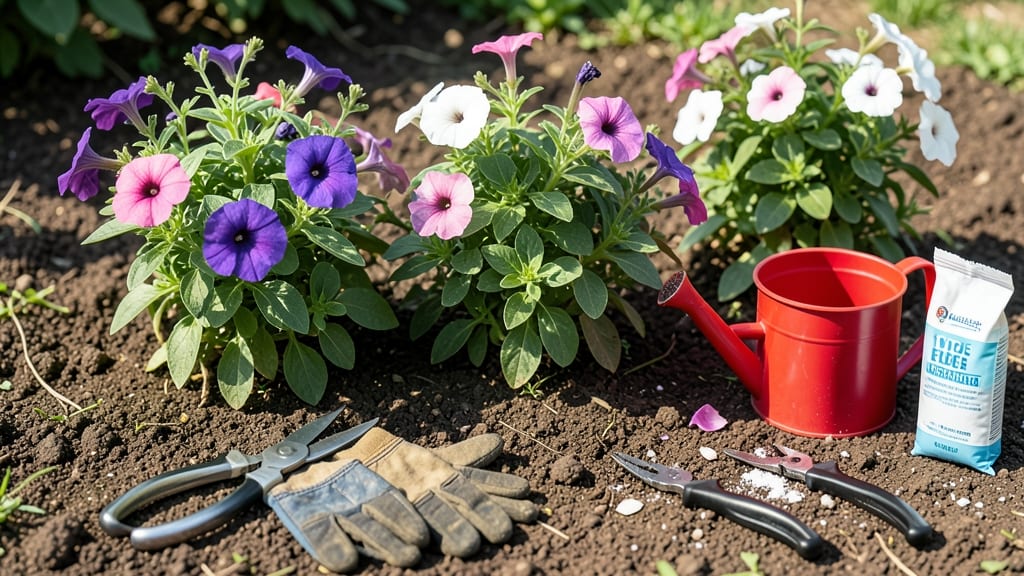
How to keep petunias bushy turns leggy stems into bursting, bushy plants with nonstop blooms. 🌸 The secret? Pruning young shoots to encourage branching—something I learned after watching my first batch stretch tall and bare. Most gardeners wait too long, but the magic happens when you act early, before the flowers even appear.
You’ll need sharp pruners, a pair of gloves, and a sunny spot with well-draining soil. The key is timing: pinch off the top set of leaves when stems reach 4-6 inches, then repeat every 2-3 weeks through summer.
This forces energy into side shoots, creating a fuller, more productive plant. Overwatering or over-fertilizing can undo all that work, so balance is everything.
By midseason, your petunias will look like lush, velvety clouds instead of sparse stalks. The blooms come thicker, last longer, and resist heat stress better.
Even my black thumb can’t kill these once I got the timing right—just don’t cut into woody stems, and always prune in the morning when plants are hydrated.
Works for all petunia varieties, from trailing types to mounded bushes. The same rules apply whether you’re growing in containers or garden beds. Now grab those pruners—your petunias are about to transform!
📚 In This Guide
- What you need
- Instructions
- Tips and common mistakes
- Wrapping up and next steps
What you need
- ● Petunias – Healthy, established plants (annuals or perennials, depending on your climate). Pro tip: Choose varieties like 'Wave' or 'Supertunia' for extra bushiness!
- ● Pruning shears or sharp scissors – Must be clean and sterilized (rubbing alcohol works!). Avoid dull tools—they crush stems!
- ○ Gloves (optional but recommended) – Protects hands from thorns (some varieties have them!) and dirt.
- ○ Garden twine or plant ties (optional) – For supporting leggy stems after pruning.
- ● Balanced fertilizer (10-10-10 or 20-20-20) – A ½ teaspoon per plant (follow package instructions for application frequency).
- ● Watering can or hose with a gentle spray nozzle – Petunias hate soggy roots but love consistent moisture.
- ● Sunlight – At least 6–8 hours of full sun daily. Shady spots = leggy, sparse petunias.
- ● Well-draining soil – Amend heavy clay with compost or perlite. Petunias hate waterlogged roots!
- ● Patience – Pinching and pruning take time, but results are worth it for nonstop blooms!
- ● Plant food spikes – Slow-release nutrients for lazy gardeners.
- ● Mulch (straw or shredded bark) – Retains moisture and keeps roots cool.
- ● Growth regulator (like 'B-Nine') – Slows stretching in tall varieties (use sparingly!).
- ● Deadheading shears (small, precision scissors) – For extra precise trimming.
Step-by-step instructions for pinching and pruning petunias
This is the method that keeps my petunias blooming like crazy all season—no fancy tools, just a little attention at the right times.
🌱 Step 1: Wait Until Plants Have 4-6 Inches of Growth
Don't rush—wait until your petunias have grown to about 4-6 inches tall with several sets of leaves. This usually takes 4-6 weeks after planting, depending on your climate. You'll know they're ready when the main stem is sturdy but still flexible, not woody.
Here's the thing—if you pinch too early, you'll stunt growth. If you wait too long, the plant will get leggy and never recover its compact shape. I always check the leaves: they should be fully unfurled and healthy, not still curled from new growth.
✂️ Step 2: Pinch Back the Main Stem
Using clean, sharp pruners or just your fingers, pinch off the top set of leaves—about ¼ inch above a leaf node (that little bump where leaves grow out). This encourages the plant to branch out instead of growing tall and skinny. You'll see two or three new side shoots emerge within 2-3 weeks.
Don't be shy—pinch all the main stems this way. Real talk: if you only pinch one stem per plant, you'll end up with a lopsided bush. I like to work my way around the plant in a circle, making sure every main stem gets the same treatment.
🌿 Step 3: Prune Regularly to Encourage Bushiness
After the initial pinch, keep pruning throughout the season to maintain shape and encourage more blooms. Cut back any leggy stems to just above a leaf node, and remove spent flowers by snipping the stem all the way back to the base. This prevents the plant from wasting energy on seed production.
I prune mine every 2-3 weeks during peak bloom season. You'll know you're doing it right when you see fresh new growth appearing within a week. If you notice yellowing leaves, that's your cue to reduce watering slightly—petunias hate soggy roots.
☀️ Step 4: Feed After Each Major Pruning
Within 3-5 days of pruning, give your petunias a light feeding with a balanced, water-soluble fertilizer (like 10-10-10). This jumpstarts their recovery and keeps them blooming nonstop. I always mix it at half-strength—too much fertilizer burns the roots.
Watch for new growth within a week. Healthy new leaves should be vibrant green and firm to the touch. If they're pale or soft, you've over-fertilized. This is where most gardeners mess up—skipping the fertilizer after pruning leads to weak regrowth and fewer flowers.
⏰ Step 5: Deadhead and Prune for Fall Blooms
As summer winds down, keep deadheading spent blooms and pruning leggy stems to encourage a second flush of flowers in early fall. Petunias often bloom right up until frost if you stay on top of this. I prune mine back by about ⅓ in late summer to stimulate fresh growth.
Here's the trick: stop fertilizing after Labor Day in most climates. The plant will focus its energy on hardening off rather than producing tender new growth that won't survive cold snaps. You'll still get beautiful blooms, but the plant will be more resilient when temperatures drop.
Tips & tricks for perfect bushy petunias
A few simple adjustments can transform leggy petunias into lush, blooming bushes that last all season.
Timing is Everything: The 4-6 week wait before pinching is non-negotiable—this gives roots time to establish. I've learned the hard way that impatient pinching leads to stunted growth. Look for that sturdy stem and fully unfurled leaves as your green light. Confession: I skipped this step for years and wondered why my plants never filled out properly.
Precision Pinching: That ¼-inch above the leaf node is critical—pinch too high and you'll create bare stems, too low and you'll damage the growth point. Use your fingernail to make a clean break if you're not using pruners. I mark my plants with a toothpick after pinching to track which stems I've already treated.
Growth Monitoring: After your initial pinch, watch for those 2-3 new side shoots within 2-3 weeks. If you don't see new growth appearing within that window, you might have pinched too late or in poor light. I keep a small notebook by my garden to track each plant's progress—it's amazing how much difference a week-by-week record makes.
Fertilizer Timing: The 3-5 day window after pruning is perfect for feeding because the plant's energy is focused on recovery. I set a reminder on my phone for 3 days post-pruning so I never miss this crucial step. Too soon and you'll burn tender new growth; too late and you'll miss the recovery boost.
Pro Tips for Keep Petunias Bushy
- A few simple adjustments can transform leggy petunias into lush, blooming bushes that last all season.
- Timing is Everything: The 4-6 week wait before pinching is non-negotiable—this gives roots time to establish.
- Precision Pinching: That ¼-inch above the leaf node is critical—pinch too high and you'll create bare stems, too low and you'll damage the growth point.
Frequently asked questions
Got questions about keeping your petunias lush and blooming? You’re not alone! Here are some of the most common concerns—and their solutions—to help you master the art of bushy petunias.
When is the best time to pinch or prune petunias?
Pinch back young petunias early in the season (when they’re 4–6 inches tall) to encourage branching. For mature plants, prune after blooms fade to redirect energy. Avoid heavy pruning in late summer—it may stunt fall blooms. Pro tip: Always use clean, sharp shears to prevent disease!
Do I need to pinch petunias if I’m growing them in containers?
Yes! Container petunias benefit even more from pinching—they grow faster and can become leggy without pruning. Just adjust your timing: pinch container plants slightly earlier (around 3 inches tall) to compensate for their compact space. Rotate pots regularly for even growth!
What if my petunias look bushy but aren’t blooming much?
Over-pruning or poor nutrition can reduce blooms. Check for too much shade or excess nitrogen (which fuels leaves over flowers). Try a balanced 10-10-10 fertilizer and deadhead spent blooms weekly. If pests like aphids are present, they may stress the plant—treat with neem oil if needed.
How often should I fertilize petunias for bushy growth?
Feed petunias every 2–3 weeks during the growing season (spring to fall) with a low-phosphorus fertilizer (like 5-10-5) to avoid leafy overgrowth. Slow-release granules work well too! Reduce feeding in winter or drought conditions. Bonus: A light mulch helps retain moisture and nutrients.
Can I prune petunias in hot or humid weather?
Prune in morning hours on cool, cloudy days to avoid stressing plants. Humidity + pruning = higher disease risk, so sterilize tools with rubbing alcohol and avoid wetting leaves. If it’s scorching, wait until temps drop below 85°F. Hydrate plants well before and after pruning.
What’s an alternative if I don’t want to pinch petunias?
Try spraying with a growth regulator (like paclobutrazol) to compact plants naturally. Another option: Choose bushier varieties like ‘Wave’ or ‘Supertunia’—they’re bred for fullness! Just deadhead regularly to encourage more blooms. For containers, select trailing types like ‘Tumbling Waters’ for a different look.
Wrapping up and next steps
Keeping your petunias lush and bushy is all about timely pinching, smart pruning, and a little TLC! 🌸 With the right techniques—like deadheading, trimming leggy stems, and fertilizing regularly—you’ll enjoy vibrant blooms all season long. Don’t forget to water consistently and protect from pests to keep your plants thriving.
Now that you’re armed with these tips, grab your shears and get pruning! 🌿 Watch your petunias transform into a blooming powerhouse with just a little effort. Happy gardening!