
Shrubs
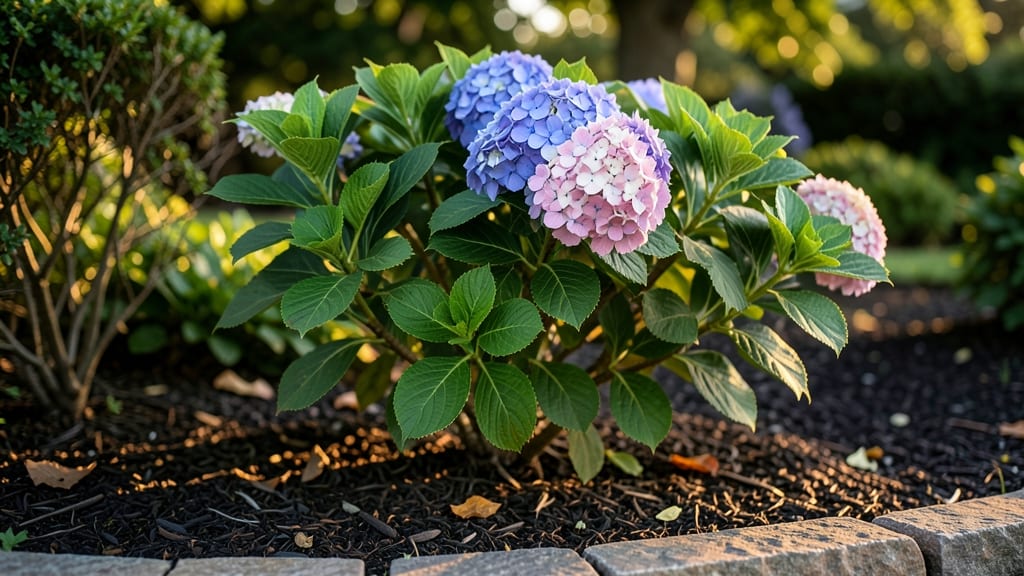
Planting hydrangea bushes in front of your house creates stunning seasonal displays, from delicate spring blooms to fiery autumn foliage. Opt for varieties like Endless Summer for consistent flowering or Oakleaf for dramatic fall color, while ensuring they receive partial shade and well-draining soil.
Hydrangeas transform your front yard into a living canvas, offering three seasons of visual interest—spring blooms, summer foliage, and autumn color. 🌸 The key to their success lies in choosing the right variety for your climate and space.
For example, Endless Summer blooms reliably on old and new wood, while Oakleaf delivers bold red-purple foliage in fall. These shrubs thrive with minimal maintenance once established, making them perfect for both novice and experienced gardeners.
Beyond their beauty, hydrangeas also provide functional benefits like noise reduction and air purification. Their large leaves create natural windbreaks, and their dense growth helps filter pollutants from the air.
When selecting plants, consider your yard's sunlight conditions—most varieties prefer morning sun and afternoon shade—and group them with complementary plants like boxwoods or lavender to enhance their curb appeal.
💡 In This Article
- How Hydrangea Varieties Change Colors Seasonally
- Best Hydrangea Bushes for Small Front-Yard Spaces
How Hydrangea varieties change colors seasonally
The vibrant color transformations in hydrangeas happen through a fascinating combination of biology and chemistry. Bigleaf hydrangeas (Hydrangea macrophylla) produce flower buds that change color based on soil pH levels. For example, blue hues develop in acidic soil (pH < 6.0), while pink shades appear in alkaline conditions (pH > 7.0).
The flower pigments, called anthocyanins, respond to these chemical changes, creating dramatic shifts from lavender to deep magenta over just a few weeks.
Oakleaf hydrangeas (Hydrangea quercifolia) take seasonal color-changing to another level by transforming their foliage. In spring, their leaves emerge as soft green, but by autumn they blaze with fiery red, orange, or purple tones.
This happens because the chlorophyll breaks down as temperatures drop, revealing underlying pigments like carotenoids (yellow-orange) and anthocyanins (red-purple). The process is triggered by shorter daylight hours and cooler nights, similar to how maple leaves change color.
Everlasting hydrangeas (Hydrangea paniculata) offer a different kind of seasonal show. Their cone-shaped blooms start as soft green buds in summer, then mature to creamy white before turning pink or copper in autumn. This variety's color change is more about flower aging than pH sensitivity.
The transformation occurs as the flower heads dry out and the pigments oxidize, creating a warm, glowing effect that lasts through winter when the stems are often left for winter interest.
Understanding these mechanisms helps you plan your front yard display. For example, planting Endless Summer (a macrophylla type) alongside Oakleaf creates a multi-seasonal effect: the flowers change with soil pH, while the leaves provide autumn drama.
The key is to test your soil's pH (available at garden centers) and amend it if needed to achieve your desired color palette.
Consider this practical tip: If you want blue flowers, add aluminum sulfate to acidic soil; for pink flowers, use lime to raise the pH. Oakleaf varieties like 'Snow Queen' maintain their white flowers while delivering red foliage, creating a stunning contrast.
The color shifts aren't just beautiful—they're also an indicator of the plant's health, with vibrant colors signaling strong growth.
For maximum impact, combine hydrangeas with complementary plants. Pair blue macrophyllas with silver foliage plants like lamb's ear to make the colors pop, while Oakleaf's autumn hues work beautifully with golden ornamental grasses. This layering creates depth and extends the visual interest beyond just the hydrangeas themselves.