
Pruning
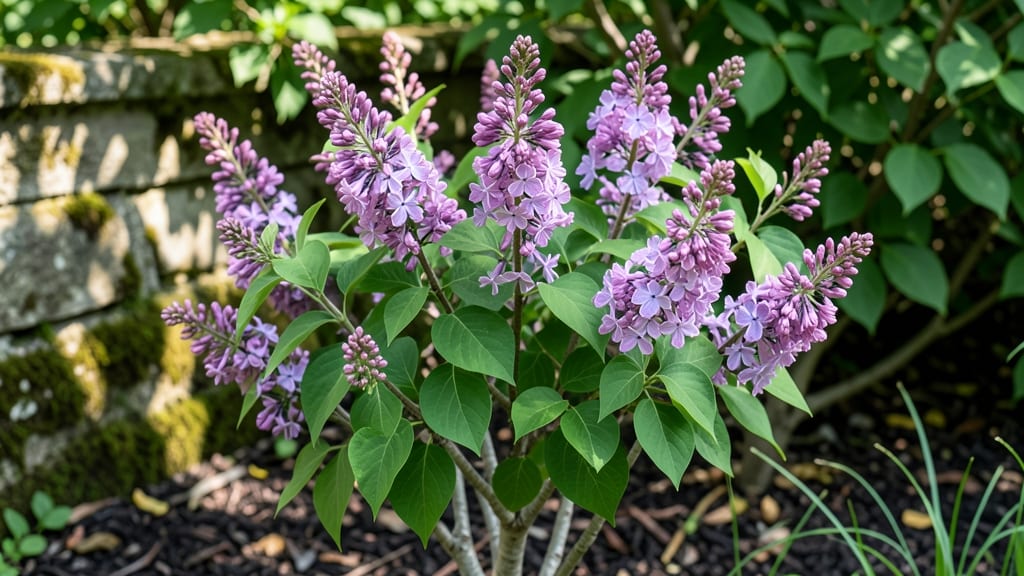
Lilac bush sprouts are the secret to years of fragrant blooms—if you know when and how to coax them along. 🌿 I've learned that the right timing and care can turn a leggy, underperforming bush into a fragrant powerhouse that blooms reliably every spring.
The key? Understanding how lilacs grow and what they need from their very first shoots.
Start with well-draining soil and full sun—lilacs hate soggy roots and will fight you if planted in shade. Once your sprouts appear in early spring, water deeply but let the soil dry slightly between waterings.
Overwatering is the #1 killer of young lilac growth, and you'll see those first pale green leaves signal healthy roots taking hold.
By mid-summer, your lilac will reward you with sturdy new growth—this is when you begin light pruning to shape the bush. Cut just above a leaf bud (never at a joint) to encourage bushier growth.
The fragrance comes from these new shoots, so protecting them from late frosts and pests is crucial for that signature lilac perfume.
Even in their first year, lilacs show their resilience. If growth stalls, check for aphids or fungal spots on the leaves—early intervention means stronger blooms next season. With patience, your lilac will mature into a fragrant staple that blooms reliably for decades.
📚 In This Guide
- What you need
- Instructions
- Tips and common mistakes
- Wrapping up and next steps
What you need
- ● Pruning shears: Sharp, bypass-style shears (avoid anvil shears—they crush stems). Recommended: Felco F-2 or similar (for branches up to ½ inch thick).
- ● Loppers: For thicker branches (½ to 1½ inches). Look for ratcheting or bypass models for precision.
- ● Hand pruners: A compact pair for smaller stems (great for detail work).
- ● Gloves: Heavy-duty, gardening gloves (protects against thorns and blisters).
- ● Disinfectant: 70% rubbing alcohol or bleach solution (1 part bleach to 9 parts water) to sterilize tools between cuts.
- ● Rake or broom: For clearing debris after pruning.
- ○ Pruning sealant (optional but helpful): Tree wound paint or pruning paste (for cuts larger than ½ inch to prevent disease).
- ● Know your lilac’s age: Young bushes (under 3 years) need light trimming only—avoid heavy pruning!
- ● Timing: Prune right after flowering (late spring/early summer) to encourage new growth for next year’s blooms.
- ● Weather check: Choose a dry, overcast day to reduce stress on the plant.
- ● Safety first: Wear closed-toe shoes and avoid pruning during wet conditions (slip hazard + fungal risk).
- ● 🔥 Sharpen your tools: Dull blades tear stems, inviting disease. Hone shears with a file or whetstone before starting.
- ● 🌡️ Check the forecast: If rain is predicted within 24 hours, delay pruning to let cuts heal.
- ● ✨ Label your tools: Use a permanent marker to tag shears/loppers for shared household use.
How to encourage lilac bush sprouts for year-round blooms
Here's how I keep my lilacs flowering reliably—no matter the season.
🌱 Step 1: Prune in Late Winter for Spring Growth
Wait until late February or early March when the ground is thawed but before buds swell. Cut back old wood to just above a healthy bud, making cuts at a 45-degree angle about ¼ inch above. This encourages new growth from the base where flowers form.
I always prune on a dry day after checking the forecast. Wet wood snags tools and invites disease. Remove any dead, crossing, or weak branches first—they compete with new sprouts for energy. You'll see fresh green shoots emerging within 2-3 weeks of pruning.
☀️ Step 2: Provide Full Sun and Well-Draining Soil
Lilacs need 6+ hours of direct sun daily for strong sprouts. If your bush is in partial shade, move it or add a reflective surface nearby to boost light. I've seen leggy, weak growth when plants get less than 5 hours—they stretch desperately for light and never bloom well.
Check soil drainage by digging a 6-inch hole and filling it with water. If it drains in under 2 hours, your soil is fine. If water pools after 4+ hours, amend with 1-2 inches of compost mixed into the top 6 inches of soil. Soggy roots rot before sprouts even appear.
💧 Step 3: Water Deeply After New Growth Appears
Once you see 2-3 inch tall sprouts, water deeply to a depth of 12 inches—about 1 gallon per foot of bush height. I use a soaker hose to avoid wetting leaves, which reduces fungal diseases. Water in the morning so foliage dries by evening.
After establishment, lilacs are drought-tolerant, but new sprouts need consistent moisture. Let the top 2 inches of soil dry between waterings—this prevents root rot while encouraging deep root growth. You'll know watering is right when leaves stay slightly crisp rather than wilting.
✂️ Step 4: Lightly Trim Flowers After Blooming
When flowers fade, cut spent blooms back to the first set of healthy leaves below. This redirects energy to next year's buds rather than seed production. I always use clean, sharp pruners to avoid tearing branches—rough cuts invite disease.
Never prune more than ⅓ of the bush at once. Heavy pruning stresses plants and can kill new sprouts. Instead, spread cuts over 2-3 years, focusing on oldest wood first. You'll see stronger, more frequent blooms within 1-2 seasons of consistent light pruning.
🌿 Step 5: Feed in Early Spring for Vigorous Sprouts
Apply a 10-10-10 fertilizer (or equivalent) at ½ the recommended rate when new leaves appear. Lilacs don't need heavy feeding—they bloom on old wood and prefer lean soil. Over-fertilizing leads to weak, floppy growth that never sprouts properly.
Work fertilizer into the top 4 inches of soil around the bush's drip line (the edge of the canopy). Water immediately after application to prevent root burn. You'll notice darker green leaves and thicker stems within 3-4 weeks—this means the plant is storing energy for next year's flowers.
Tips & tricks for perfect lilac bush sprouts
These little tricks will help your lilac bush thrive and reward you with fragrant blooms all year long.
Timing is Everything: That late February to early March window for pruning is critical—it's when lilacs start waking up but haven't yet begun active growth. I've missed this window twice and ended up with sparse blooms. Look for the first signs of swelling buds, then prune immediately. This timing ensures you're cutting back old wood that won't produce flowers while encouraging new growth where the buds form.
Pruning Precision: When making those 45-degree cuts about ¼ inch above a healthy bud, think of it like opening a present—the cut should be just enough to reveal the potential inside. I always dip my pruners in rubbing alcohol between cuts to prevent spreading disease. And never prune more than ⅓ of the bush at once—this prevents shock that can kill new sprouts before they even appear.
Sunlight Strategy: The 6+ hours of direct sun requirement isn't just about quantity—it's about quality. If your lilac is in partial shade, consider moving it to a sunnier location permanently. I've seen bushes in east-facing spots get enough morning sun but still produce weak, leggy growth. For established bushes that can't be moved, try placing a white reflective board on the south side to bounce extra light onto the foliage.
Watering Wisdom: That gallon-per-foot measurement might seem like a lot, but it's essential for encouraging deep root growth. I use a moisture meter to check soil depth—when it reads dry at 12 inches, that's when I water again. The key is consistency: let the top 2 inches dry between waterings, but never let the soil become bone-dry. This balance prevents both root rot and stress that can stunt new sprouts.
Pro Tips for Lilac Bush Sprouts
- These little tricks will help your lilac bush thrive and reward you with fragrant blooms all year long.
- Timing is Everything: That late February to early March window for pruning is critical—it's when lilacs start waking up but haven't yet begun active growth.
- Pruning Precision: When making those 45-degree cuts about ¼ inch above a healthy bud, think of it like opening a present—the cut should be just enough to reveal the potential inside.
Frequently asked questions
Got questions about keeping your lilac bush blooming beautifully? Here are some of the most common ones—and their answers—to help you master the art of year-round fragrance!
When is the best time to prune lilac bush sprouts for maximum blooms?
Prune lilac bushes right after flowering (late spring or early summer) to encourage new growth and next year’s blooms. Avoid heavy pruning in fall or winter, as lilacs bloom on old wood—cutting too late can remove next year’s flower buds! For shaping, do light trims in late summer if needed.
How do I know if my lilac bush sprouts are healthy or diseased?
Healthy lilac sprouts are green, firm, and upright. Watch for yellow leaves (overwatering or nutrient deficiency), blackened buds (powdery mildew), or sawdust-like residue (borer infestation). Prune affected branches 1 inch below the damage and treat with fungicide if needed. Pro tip: Mulch around the base to prevent soil-borne diseases!
Can I prune lilac bush sprouts in fall or winter?
Light pruning (removing dead or crossing branches) is fine in late fall or winter, but avoid heavy cuts. Lilacs set flower buds in late summer/fall, so aggressive pruning can reduce next year’s blooms. If you must prune, do it before bud break (early winter) and keep cuts clean with sharp shears.
What if my lilac bush sprouts aren’t growing after pruning?
Check for sunlight (lilacs need 6+ hours daily), well-draining soil, and proper watering (1–2 inches per week). If sprouts are slow, fertilize in early spring with a balanced 10-10-10 formula. Over-pruning or compacted soil can stunt growth—loosen roots gently if needed. Patience is key!
Are there alternatives to pruning lilac bush sprouts for fragrance?
Yes! Try selective harvesting—cut a few fragrant stems for bouquets (leave at least ⅔ of the bush intact). For year-round scent, plant companion flowers like lavender or roses nearby. Mulching with cedar chips can also enhance natural fragrance while suppressing weeds. Bonus: Lilac leaves release scent when crushed!
Wrapping up and next steps
Watching your lilac bush sprouts thrive with year-round fragrance is incredibly rewarding—and now you’re armed with the know-how to make it happen! Strategic trimming isn’t just about aesthetics; it’s about revitalizing growth, boosting blooms, and keeping those sweet scents lingering longer. 🌸
Ready to take the next step? Start small: pick one bush this season to practice your new pruning skills, and soon, your garden will be a fragrant paradise. Happy trimming—your lilacs will thank you!