
Pruning
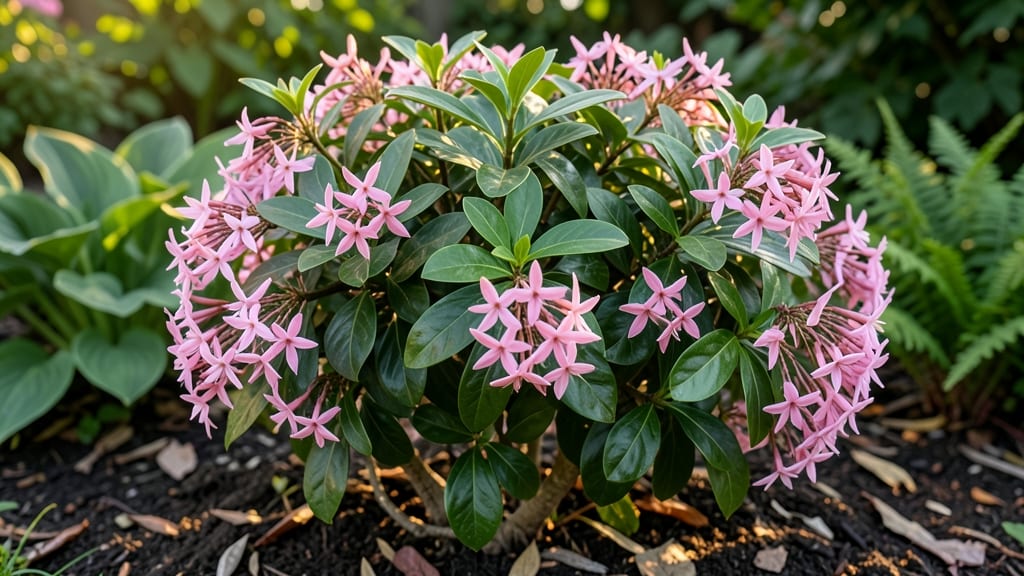
Your pink jasmine bush could be blooming nonstop this summer—if you trim it right. ✨ I’ve watched these fragrant pink clusters transform a plain fence into a cloud of sweet perfume, and the secret lies in seasonal pruning that keeps the plant compact and flowering.
Most gardeners overlook the early spring trim, which is where the magic happens for continuous blooms.
This bush thrives in partial shade with well-draining soil and regular watering—about 1 inch per week—but the real game-changer is the pruning schedule. Cut back leggy stems in late winter to encourage bushier growth, then lightly shape after each bloom cycle.
Avoid heavy pruning in fall, or you’ll sacrifice next year’s flowers. The goal is to keep the plant 3-4 feet tall for easy maintenance and maximum fragrance.
By summer’s end, you’ll have a bush covered in pink blossoms that smell like a tropical vacation. The flowers attract pollinators, too, turning your yard into a mini ecosystem. Just watch for aphids—they love new growth—and give the soil a light mulch to retain moisture.
With this care, your jasmine will reward you with blooms from spring through fall.
Works for both Jasminum polyanthum and Trachelospermum jasminoides ‘Pink Fantasia’ varieties. The key is consistency—prune at the same time each year, and you’ll never have to worry about sparse blooms again. Let’s get those shears ready!
📚 In This Guide
- What you need
- Instructions
- Tips and common mistakes
- Wrapping up and next steps
What you need
- ○ Pruning shears – Bypass pruners (sharp, 6-8" blades) for clean cuts. Optional: Small felco pruners for tight spaces.
- ● Hand pruners – Anvil-style (for thicker stems, 8-10" blades). Sterilize with rubbing alcohol between cuts!
- ● Loppers – Bypass-style, 12-18" for thicker branches (if your bush is mature).
- ● Gardening gloves – Heavy-duty, cut-resistant (thorns on some jasmine varieties!).
- ● Disinfectant – 70% isopropyl alcohol or bleach solution (1:9 ratio) to prevent disease spread.
- ○ Pruning sealant – Optional but helpful for large cuts (e.g., Tangle-Foot or tree wound pruning paste).
- ● Weather check – Prune on a dry, overcast day (avoid wet or windy conditions).
- ● Safety gear – Sunglasses (bright light) and long sleeves/pants (protection from thorns/sun).
- ● Clean workspace – Lay down tarps or newspapers to collect clippings easily.
- ● Water & snacks – Hydration breaks are key, especially if trimming a large bush!
- ● ✨ Sharp tools = happy plants! Dull blades crush stems, inviting disease. Test your shears by making a clean cut on a scrap piece of wood.
- ● 🌡️ Timing matters: Late winter/early spring (just before new growth) is ideal for major pruning. Light trims can happen year-round.
- ● 🎯 Know your bush: Pink jasmine (e.g., Jasminum polyanthum) blooms on new wood, so avoid heavy pruning after summer.
Step-by-Step instructions for pruning pink jasmine bushes
Here's the seasonal approach I've perfected for keeping your pink jasmine blooming continuously.
✂️ Step 1: Identify Growth Habits and Bloom Patterns
Pink jasmine blooms on new wood, meaning flowers form on current season's growth rather than last year's stems. This changes everything about pruning timing. Examine your bush now—look for last year's bare stems and current season's green growth where buds are forming.
Mark these areas with a small flag or take a photo. The goal is to never cut back into old wood where no new buds appear. I've seen gardeners accidentally prune away next year's blooms by cutting too aggressively in late winter.
⏰ Step 2: Time Pruning to Bloom Cycles
Prune pink jasmine immediately after flowering—typically in late spring for most varieties. This is when the plant has finished blooming but before it puts too much energy into seed production. Wait until all flowers have dropped and you see new leaf growth beginning.
Never prune in fall or early winter. The plant needs those stems to harden off for winter. I've made this mistake—pruning too early left my bush vulnerable to winter dieback. Watch for new green shoots emerging from the base as your signal to prune.
✂️ Step 3: Apply the 1/3 Rule for Renewal
Remove one-third of the oldest stems at the base where they meet the soil. These are the thickest, woody stems that no longer produce many flowers. Use clean, sharp pruners and make cuts at a 45-degree angle just above a leaf node or outward-facing bud.
For remaining stems, cut back one-third of the length to encourage bushier growth. Focus on crossing branches and overly crowded stems first. I always step back after pruning to visualize the plant's shape—you want an open center that allows light and air circulation.
🌿 Step 4: Summer Maintenance for Continuous Blooms
After the main spring pruning, monitor your jasmine throughout summer. When you see spent flowers, pinch them off immediately to redirect energy to new blooms. This is called deadheading, and it's crucial for continuous flowering varieties.
In mid-summer, give your bush a light trim to remove any overly leggy growth that's stretching toward light. Cut back these stems by half their length to encourage compact, bushier growth. I've found that jasmine responds beautifully to this mid-season shaping.
🌱 Step 5: Prepare for Winter Dormancy
Stop all pruning 6-8 weeks before your first frost. This gives the plant time to harden off and prepare for winter. In late fall, remove any dead, diseased, or damaged wood—these are easy to spot as they'll be brown and brittle compared to healthy green stems.
Apply a 2-3 inch layer of mulch around the base (but not touching the stems) to protect roots from freeze-thaw cycles. I've seen pink jasmine survive harsh winters with this simple protection, while neglected bushes often suffer winter dieback.
Tips & tricks for pruning pink jasmine bushes
These little details make all the difference between a bush that blooms sporadically and one that puts on a nonstop floral show.
Visual Cues for New Wood: In Step 1, when identifying new growth, look for stems with a slightly lighter green color and a smoother texture compared to last year's woody stems. The buds on new wood will be plump and pointed, while old wood often has shriveled or dried buds. I always run my fingers along the stems—new growth feels slightly softer, like the skin of a young shoot versus the tough bark of an older branch. This tactile check helps me avoid accidental pruning of next year's blooms.
Seasonal Timing Precision: The late spring timing in Step 2 is critical because pink jasmine needs that 6-8 week window before frost to recover. I've learned to check my local frost dates and count backward—this helps me schedule my pruning perfectly. If you're in a warmer climate, you might extend this slightly, but never prune after the first frost. The plant needs those stems to harden off naturally, and winter dieback is a heartbreaking mistake I've seen too often.
Pruning Angle Technique: When you make those 45-degree cuts in Step 3, think of it like creating a little roof over the bud. This angle prevents water from pooling on the cut, which can lead to rot. I like to visualize the cut directing water away from the stem. Also, always cut just above an outward-facing bud—this encourages the new growth to spread outward, creating that lush, rounded shape we all love. A quick way to check: if you look at the cut from above, the bud should be on the outside of the circle.
Deadheading Strategy: In Step 4, don't just pinch off spent flowers—grab the stem about an inch below the flower cluster. This encourages stronger regrowth from that point. I've found that jasmine responds best when you make these cuts right at the leaf node. For the mid-summer trim, focus on the leggy stems that are growing straight up rather than outward—they're the ones that make your bush look sparse. Cutting them back by half forces the plant to put energy into bushier, more productive growth.
Pro Tips for Pink Jasmine Bush
- These little details make all the difference between a bush that blooms sporadically and one that puts on a nonstop floral show.
- Visual Cues for New Wood: In Step 1, when identifying new growth, look for stems with a slightly lighter green color and a smoother texture compared to last year's woody stems.
- Seasonal Timing Precision: The late spring timing in Step 2 is critical because pink jasmine needs that 6-8 week window before frost to recover.
Frequently asked questions
Got questions about keeping your pink jasmine bush thriving? You’re not alone! Here are some of the most common queries—plus quick answers to keep those fragrant blooms coming year-round.
When is the best time to trim my pink jasmine bush?
The ideal time to prune is right after flowering (late spring or early summer) to encourage new growth. Light trimming in late winter (before buds swell) can also help shape the bush. Avoid heavy cuts in fall—jasmine needs time to harden off for winter!
How much should I cut back my pink jasmine bush?
Aim to remove 1/3 of the oldest wood annually to promote fresh growth. For shaping, trim just above a leaf node (where new shoots emerge). Avoid cutting into bare stems—this can reduce blooms. Pro tip: Use clean, sharp shears to prevent disease!
Why isn’t my pink jasmine blooming as much as it used to?
Over-pruning, poor sunlight (needs 6+ hours of sun daily), or nutrient deficiency can stunt blooms. Check for yellowing leaves (could mean overwatering) or bare stems (time for a rejuvenation prune!). Feed with high-phosphorus fertilizer in early spring to boost flowers.
Can I grow pink jasmine in containers?
Choose a large pot (15+ gallons) with drainage holes and well-draining soil. Prune more aggressively in containers to control size, and repot every 2–3 years to refresh nutrients. Just ensure it gets enough sunlight—containers dry out faster!
How do I protect my pink jasmine from pests?
Watch for aphids, spider mites, or scale insects on new growth. Blast off pests with a hose or use neem oil for organic control. Keep the area weed-free and avoid overwatering (pests love damp foliage). Healthy plants resist pests better!
What’s the difference between pruning for blooms vs. shaping?
| Bloom Pruning | Shaping Pruning |
|---|---|
| Cut back old wood after flowers fade to encourage new blooms. | Trim random branches to maintain form (best in late winter). |
| Focus on 1/3 of the oldest stems annually. | Even out growth for a balanced silhouette. |
Pro tip: Combine both techniques for a bush that looks great AND blooms like crazy!
Wrapping up and next steps
Transforming your pink jasmine bush into a blooming masterpiece is totally within reach—just follow these seasonal trimming tips! With the right tools, timing, and care, you’ll enjoy fragrant, vibrant blooms year after year. Now’s the perfect time to roll up your sleeves and give your bush the love it deserves!
Ready to take the next step? Start by scheduling your first trim this fall and watch your jasmine thrive. Happy pruning—your garden (and nose!) will thank you! 🌸✨