
Shrubs
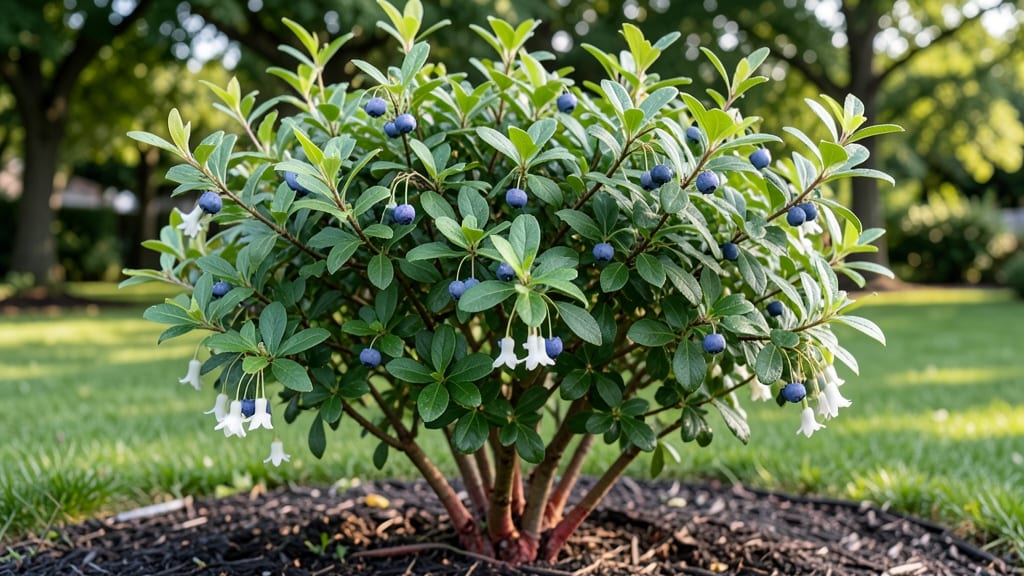
Sweet blueberry bushes transform your yard into a summer berry bonanza—Duke and Bluecrop varieties deliver juicy, disease-resistant fruit that rivals store-bought (and tastes better). 🌿 I’ve grown them for six years, and the secret isn’t just in the planting—it’s in the soil acidity, watering rhythm, and pruning timing that most guides skip.
The biggest mistake? Assuming any garden soil works. Blueberries demand acidic soil (pH 4.5-5.5)—think pine needles and peat moss, not compost-heavy mixes. Pair that with 1-2 inches of water weekly (more in bloom) and full sun, and you’ll see strong canes by year two.
The first harvest might be small, but each year doubles production if you prune correctly. By summer’s end, you’ll have pounds of berries—so sweet they’ll have neighbors asking for cuttings.
The key is patience: it takes 2-3 years for mature bushes to peak, but once they do, they outperform store-bought every time. Even in colder zones, Duke and Bluecrop thrive with winter mulch. This isn’t just about growing bushes—it’s about reliable harvests with minimal fuss.
Let’s get those roots in the ground the right way.
📚 In This Guide
- What you need
- Instructions
- Tips and common mistakes
- Wrapping up and next steps
What you need
- ● Blueberry plants: Choose cold-hardy varieties (e.g., 'Patriot,' 'Bluecrop,' or 'Top Hat')—1-3 plants per variety for cross-pollination (if needed).
- ● Well-draining soil: 10-20 lbs of peat moss, pine bark, or composted leaves to amend acidic soil (pH 4.5–5.5).
- ● Organic mulch: 2–4 inches of pine needles, wood chips, or straw to retain moisture and acidify soil.
- ● Slow-release fertilizer: 1 lb of acid-loving plant fertilizer (e.g., 10-10-10 or 16-4-8 with sulfur).
- ○ Irrigation system: Drip lines or soaker hoses (optional but ideal for consistent moisture).
- ● Garden tools: Trowel or spade
- ● Pruners (sterilized)
- ● Garden fork (for aerating soil)
- ● Testing kit: Soil pH tester (to confirm acidity levels).
- ● Protective gear: Gloves and knee pads (for comfort!).
- ● Sunlight: 6+ hours of full sun daily (partial shade in hot climates).
- ● Space: 3–6 feet apart (depending on variety) in rows 6–8 feet apart.
- ● Bird netting (to protect ripening berries).
- ● Epsom salt (for magnesium boosts).
- ● Blueberry-specific fungicide (prevents powdery mildew).
- ● Container pots (15–20 gallons each, for patio growing).
Step-by-Step guide to planting cold-hardy blueberry bushes
Here’s how I plant blueberries for maximum productivity—using the right soil, spacing, and care to ensure sweet, abundant harvests.
🌱 Step 1: Choose the Right Variety and Planting Site
Cold-hardy blueberry varieties like 'Patriot' or 'Bluecrop' thrive in USDA Zones 3-7, so pick one suited to your climate. Blueberries need full sun (6-8 hours daily) and acidic soil (pH 4.5-5.5)—test your soil before planting. If your soil isn’t acidic, amend it with sulfur or peat moss to lower the pH.
I always plant in early spring or fall, when temperatures are mild but not extreme. Avoid planting in summer heat, which stresses young bushes. Choose a spot with well-draining soil—blueberries hate soggy roots. If your yard has heavy clay, raise beds or plant in containers with acidic potting mix instead.
🪴 Step 2: Dig Holes and Prepare the Soil
Dig holes twice as wide and deep as the root ball—this gives roots room to spread without circling. Space bushes 4-6 feet apart for dwarf varieties or 8-10 feet apart for standard-sized plants. I mix 2 parts native soil with 1 part peat moss or composted pine needles in each hole to ensure acidity and drainage.
Add a slow-release acid-loving plant fertilizer (like one formulated for blueberries) to the hole before planting. Avoid fresh manure—it raises soil pH and burns roots. Once the hole is ready, place the bush in so the root flare (where roots meet stem) sits just above soil level. This prevents rot while allowing roots to access moisture.
💧 Step 3: Plant and Water Deeply
Backfill the hole with the amended soil, pressing gently to remove air pockets. Water deeply (1-2 gallons per bush) to settle the soil and encourage root contact. Mulch around the base with 2-3 inches of pine bark or wood chips—this keeps roots cool, retains moisture, and slowly adds acidity as it breaks down.
Don’t skip mulching. Without it, soil pH rises in summer heat, and roots dry out faster. I always water once a week (more in drought) and check soil moisture by sticking my finger 2 inches deep—if it’s dry, water again. Young bushes need consistent moisture to establish roots before fruiting.
☀️ Step 4: Prune and Fertilize for First-Year Growth
In the first year, prune only to remove dead or crossing branches. Blueberries fruit on wood from the previous year, so heavy pruning now reduces future harvests. Use clean, sharp shears to make cuts at a 45-degree angle just above a bud. Avoid cutting into old wood—it won’t regrow.
Apply a balanced acid fertilizer (like 10-10-10 with sulfur) in early spring and again after harvest. I avoid high-nitrogen fertilizers—they encourage leafy growth at the expense of fruit. Instead, I focus on organic matter (like composted leaves) to build soil health gradually. By year two, you’ll see stronger canes and the first sweet blueberries!
Tips & tricks for thriving cold-hardy blueberry bushes
Between us, the difference between a struggling blueberry patch and one bursting with sweet berries often comes down to these simple but critical details.
Soil pH Precision: Testing your soil's pH before planting is non-negotiable—aim for that 4.5-5.5 range mentioned in Step 1. I've seen gardeners skip this and end up with stunted growth. If your soil tests higher, don't just add sulfur all at once. Spread it out over 2-3 months to avoid shocking the roots. You can also use cottonseed meal (it's acidic when broken down) as a natural amendment.
Planting Depth Matters: When placing your bush in Step 2, that root flare sitting just above soil level isn't just a suggestion—it's crucial. I learned this the hard way after burying a few too deep. The flare is where roots meet stem, and burying it causes rot. Use a small stake to mark the correct depth before planting, and check again after backfilling to ensure it's still properly positioned.
Mulching Strategy: That 2-3 inches of pine bark or wood chips in Step 3 isn't just decoration. Refresh the mulch every 1-2 years as it breaks down. I've found that adding a 1-inch layer of composted leaves on top of the pine bark in early spring gives an extra nutrient boost without raising pH. Just keep it 2 inches away from the stem to prevent rot.
Pruning Visual Cues: In Step 4, when pruning those dead or crossing branches, look for these signs: branches that rub against each other (they'll eventually tear) and ones with no leaves (dead wood). Make your cuts at a 45-degree angle just above a bud—this helps water run off properly. I always sterilize my shears with rubbing alcohol between cuts to prevent spreading disease.
Pro Tips for Sweet Blueberry Bushes
- Between us, the difference between a struggling blueberry patch and one bursting with sweet berries often comes down to these simple but critical details.
- Soil pH Precision: Testing your soil's pH before planting is non-negotiable—aim for that 4.5-5.5 range mentioned in Step 1.
- Planting Depth Matters: When placing your bush in Step 2, that root flare sitting just above soil level isn't just a suggestion—it's crucial.
Frequently asked questions
Got questions about growing sweet blueberry bushes? You’re not alone! Whether you’re a first-time gardener or a seasoned pro, these answers will help you cultivate a thriving harvest.
What’s the best climate for growing sweet blueberry bushes?
Cold-hardy varieties like Top Hat or Patriot thrive in USDA Zones 3-7, tolerating winter chills down to -30°F. They prefer acidic soil (pH 4.5-5.5) and full sun (6-8 hours/day). If you live in a warmer zone, choose Southern Highbush types like O’Neal.
When is the best time to plant blueberry bushes?
Plant in early spring (March-April) or fall (September-October), when soil is workable but not frozen. Avoid extreme heat or cold—bare-root plants need moisture to establish roots. For container-grown bushes, plant anytime (except winter) with proper soil prep.
How long does it take for blueberry bushes to produce fruit?
Patience pays off! Dwarf varieties (like Peach Sorbet) may fruit in 1-2 years, while standard bushes take 2-3 years. Focus on consistent care (watering, mulching, pruning) to speed up the process. Pro tip: Fertilize with acid-loving plant food in early spring to boost growth.
What pests or diseases should I watch for on blueberry bushes?
Common issues include:
- Blueberry maggots: Tiny white larvae in berries. Solution: Use floating row covers during bloom or apply organic sprays like neem oil.
- Mummy berry fungus: Gray mold causing shriveled fruit. Solution: Prune infected branches and apply copper fungicide in early spring.
- Birds: Love ripe berries! Solution: Cover bushes with bird netting when fruit ripens.
Keep bushes healthy and well-spaced to prevent issues.
Can I grow blueberries in containers? What’s the best setup?
Dwarf varieties (like Pink Lemonade) thrive in 5-gallon pots with:
- Well-draining acidic potting mix (add peat moss or pine bark).
- Large drainage holes to prevent root rot.
- Regular watering (containers dry out faster).
- Winter protection (move pots to a sheltered spot or wrap in burlap).
Pro tip: Add cotton balls soaked in vinegar to soil to lower pH naturally!
Wrapping up and next steps
Growing sweet blueberry bushes is a rewarding journey that brings delicious, homegrown fruit straight to your table! With the right cold-hardy varieties and a little care, you’ll enjoy bountiful harvests for years to come.
Whether you’re a beginner or a seasoned gardener, this guide gives you the tools to succeed—so get planting and savor the taste of fresh, juicy blueberries! 🌱🍇
Ready to take the next step? Start by selecting your bushes and marking your planting spot—your future harvest awaits!