
Blooming
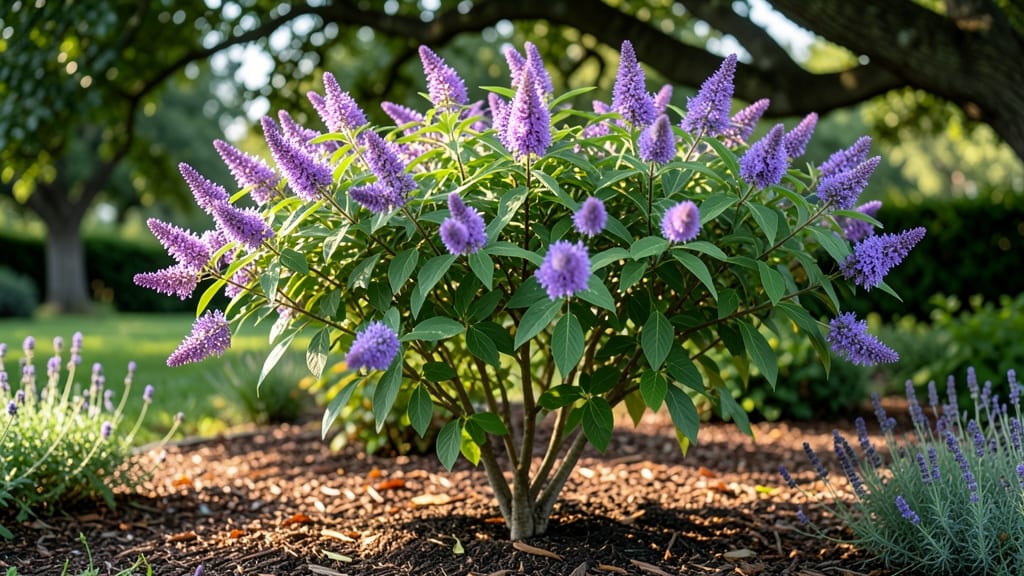
Butterfly bushes start blooming in late spring to early summer, with the exact timing depending on your USDA zone and how you care for them 🦋.
If you’ve ever planted one hoping for instant color, you know the wait can feel endless. But with the right conditions, these shrubs reward patience with months of vibrant flowers that hummingbirds and butterflies can’t resist.
In Zone 6a (like much of the Midwest), blooms typically kick off in June, while warmer zones see them as early as May. The key factors? Sunlight, pruning timing, and soil health—all of which I’ll break down to help you time it just right.
You’ll also discover how to nudge blooms earlier, troubleshoot delays, and keep your butterfly bush flowering well into fall with minimal effort.
Butterfly bush blooming timeline by US hardiness zones (month-by-month guide)
If you've planted butterfly bushes (Buddleja davidii), you know their fragrant purple blooms attract pollinators like magnets. But when exactly should you expect those show-stopping flowers? The answer varies dramatically by USDA hardiness zone, with cooler climates seeing blooms 4-6 weeks later than warmer regions.
Understanding your zone's timeline helps you plan for peak butterfly activity and prolonged flowering.
Most butterfly bushes follow a late spring to early summer bloom cycle, but early bloomers like 'Lo & Behold Red' can start as early as May in Zone 9, while late bloomers in Zone 5 may wait until July.
Regional microclimates—like coastal areas or urban heat islands—can shift bloom times by 2-3 weeks earlier or later. Let's break down what to expect in your area.
🌱 Pro Tip: Use this timeline to time pollinator-friendly plants nearby. Pair butterfly bushes with neighborhood milkweed (for monarchs) or bee balm to create a continuous bloom sequence.
In Zone 5, where winters are harsh, butterfly bushes often need 30-45 days of consistent warmth before blooming. That's why you'll see July starts—they're waiting for soil temperatures to rise above 55°F.
In contrast, Zone 10 gardens can enjoy blooms as early as April because mild winters allow earlier growth spurts.
For gardeners in transition zones (6b-7a), bloom times can vary by 10-14 days depending on elevation and microclimates. A butterfly bush in Denver (Zone 6) might bloom 2 weeks later than one in Phoenix (Zone 9), even if they're the same variety.
Pay attention to local frost dates—early blooms in Zone 7 can get nipped by late spring frosts.
🦋
How to accelerate butterfly bush blooms: pruning, fertilizer, and sunlight tips
Timing is everything when it comes to butterfly bush blooms. These pollinator magnets thrive with the right care, but many gardeners unknowingly delay flowering by making common mistakes. The good news?
With the right pruning schedule, soil amendments, and sunlight exposure, you can encourage earlier and more abundant blooms. Let's explore the science-backed strategies that work.
First, let's address the biggest misconception: butterfly bushes don't bloom on old wood. Unlike spring-flowering shrubs, these beauties produce flowers on new growth that emerges in spring. This means aggressive pruning is actually beneficial - it stimulates fresh growth where those fragrant purple blooms will appear.
The key is timing your pruning perfectly to avoid cutting off potential flower buds.
- 🌱 Late Winter (Zones 5-7): Prune back by 1/3 to 1/2 in February-March before new growth starts. This removes dead wood and encourages vigorous spring growth where flowers will form.
- 🌿 Early Spring (Zones 8-10): Prune in March-April after last frost. Warmer zones can delay until late winter when new buds appear.
- ☀️ Sunlight Needs: 6+ hours daily of full sun is critical. Shady spots delay blooming by 2-4 weeks and produce fewer flowers.
- 🌶️ Fertilizer Timing: Apply balanced 10-10-10 fertilizer in early spring (March) and mid-summer (July) to fuel bloom production.
- ✂️ Avoid Fall Pruning: Never prune after September 1st as this removes next year's flower buds that form on current season's growth.
Many gardeners accidentally stunt their butterfly bush's blooming potential by pruning at the wrong time. I've seen beautiful shrubs left with bare stems because someone tried to "clean up" in fall. Remember, these shrubs are deciduous and need that late-winter pruning to stimulate fresh growth.
Think of it like giving your bush a haircut before spring break - it comes back looking fresh and ready to party.
For maximum blooms, focus on well-draining soil with a slightly alkaline pH (6.5-7.5). Amend heavy clay soils with compost and sand to prevent waterlogging, which stresses the plant.
I've found that adding a 2-inch layer of mulch around the base helps maintain moisture while preventing soil-borne diseases that can delay flowering. The secret weapon? A slow-release fertilizer applied in early spring gives your bush the nutrients it needs without risk of overfeeding.
Don't overlook the power of consistent moisture during the growing season. While butterfly bushes are drought-tolerant once established, they need deep watering weekly during their first growing season. Water at the base of the plant in the morning to prevent fungal issues that can stress the shrub.
I've noticed that plants receiving morning watering consistently bloom 1-2 weeks earlier than those watered in the evening.
Pro tip: If your butterfly bush isn't blooming by mid-July, it's likely due to one of three issues - insufficient sunlight, poor pruning practices, or nutrient deficiencies.
Start by moving it to a sunnier spot if possible, then give it a light pruning to encourage new growth. For established plants, a balanced fertilizer applied in early summer can often jumpstart flowering. With these adjustments, you'll likely see those butterfly-attracting blooms appear within 4-6 weeks. 🦋