
Shrubs
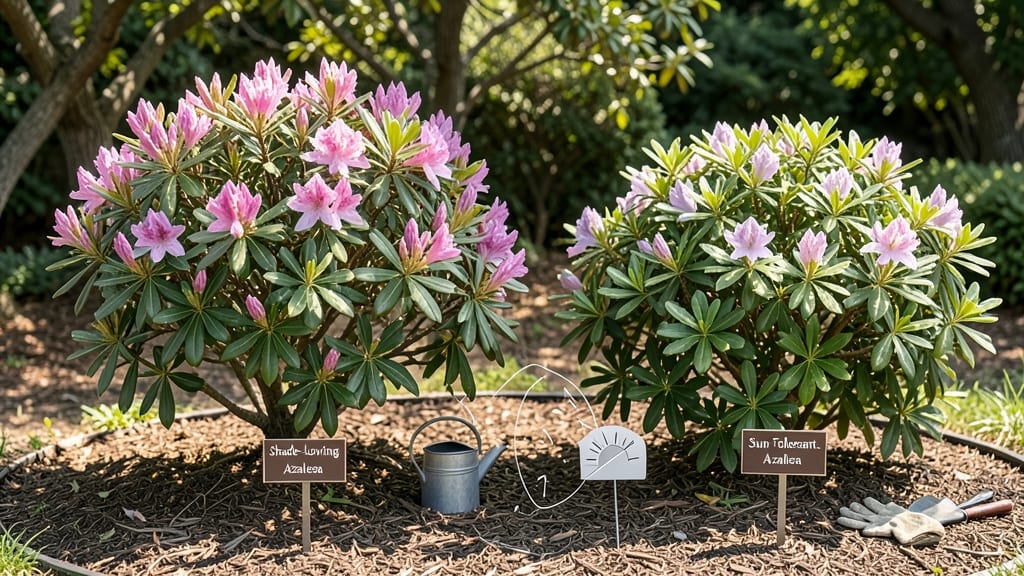
Azalea bushes thrive in partial shade with morning sun or filtered light—too much direct sun or deep shade can stunt their iconic blooms 🌸.
Struggling to get your azalea bushes to bloom as beautifully as your neighbor’s? The answer might lie in their light exposure—azaleas are finicky about sun or shade, and getting it wrong can mean sparse flowers or even plant decline.
Most azaleas prefer 4 to 6 hours of gentle sunlight, ideally from the east, to fuel vibrant blooms without scorching leaves. But varieties differ: some handle more sun, while others thrive in deeper shade, making it critical to match your plant to its perfect spot.
Here’s how to assess sunlight in your yard, adjust for your climate, and pick the right azalea variety for your garden’s light conditions—so you can enjoy lush, repeat blooms year after year.
 Best Window Placement
Ideal sunlight conditions for azalea bushes to bloom profusely
Azaleas are stunning spring bloomers, but their light requirements can be confusing. Too much sun causes leaf scorch, while too little shade leads to sparse blooms. The sweet spot is morning sun with afternoon shade, but regional climates change these needs.
Let’s break down the perfect balance for your azalea bushes to thrive and burst into color.
In the Southern U.S., where summers are hot and humid, azaleas need morning sun only (3-4 hours) followed by filtered shade. The intense afternoon sun can bake their delicate leaves.
Meanwhile, in Northern climates, azaleas tolerate slightly more sun—up to 6 hours of morning light—because cooler temperatures reduce heat stress. Always observe your plants’ leaves for signs of stress.
| Light Condition | Hours of Sun | Best For | Climate Zones |
|---|---|---|---|
| Morning Sun + Afternoon Shade | 3-4 hours | All azalea varieties | Southern U.S. (Zones 7-10) |
| Dappled Shade (Filtered Sun) | 2-3 hours | Evergreen azaleas | Humid climates (Zones 8-9) |
| Partial Shade (East-Facing) | 4-6 hours | Deciduous azaleas | Northern U.S. (Zones 4-6) |
| Deep Shade (No Direct Sun) | 0-2 hours | Shade-tolerant varieties | Woodland gardens (Zones 5-7) |
For container-grown azaleas, morning sun is ideal, but avoid placing them on south-facing patios where afternoon sun intensifies. If your balcony gets harsh afternoon rays, move the pot to a shadier spot by midday.
Containers dry out faster, so ensure they’re in well-draining soil to prevent root rot from excess moisture.
If you’re unsure about your garden’s light conditions, use a simple sunlight tracker for a week. Place a white board near your azalea’s spot and mark the hours of direct sun. Aim for no more than 3 hours of direct afternoon sun—this is critical for preventing leaf burn.
A light meter app can also help measure lux levels (ideal range: 10,000-20,000 lux for partial shade).
Evergreen azaleas, like Rhododendron ‘Girard’s Pink’, handle slightly more sun than deciduous types, but they still need protection from midday heat. Plant them near large trees with sparse canopies or use lattice screens to filter harsh rays.
Mulch with pine bark to retain moisture and regulate soil temperature, which helps azaleas cope with fluctuating light conditions.
In urban gardens, where buildings cast moving shadows, azaleas can adapt to variable light. However, avoid placing them in spots that shift from full sun to deep shade—this confusion stresses the plant.
Instead, choose a location with consistent partial shade, like under a deciduous tree that loses leaves in winter, allowing more light when the azalea needs it.
Watch for leaf color changes to gauge light success. Healthy azalea leaves are deep green and glossy. Yellowing or crispy edges signal too much sun, while pale, leggy growth means insufficient light.
Adjust placement gradually—moving azaleas too quickly can shock their roots. A slow transition over 2-3 weeks helps them adapt without stress.
For maximum blooms, pair the right light with acidic soil (pH 4.5-6.0) and regular watering. Azaleas in partial shade produce 20-30% more flowers than those in full sun or deep shade.
Test your soil’s pH annually and amend with sulfur or peat moss if needed. With the perfect light balance, your azaleas will reward you with vibrant, long-lasting blooms year after year.
Remember, azaleas are not one-size-fits-all plants. Experiment with their placement, observe their response, and adjust as needed. A little trial and error will lead you to the sweet spot for your specific climate and variety—ensuring your azaleas become the showstopper of your garden. 🌸
How to fix over-sunlight or under-sunlight damage in azaleas
If your azalea bushes look stressed with yellowing leaves or leggy stems, the culprit is often light exposure. Too much sun causes leaf scorch, while too little shade leads to weak growth.
The good news? With the right adjustments, you can revive your azaleas and encourage those vibrant blooms again.
First, identify the damage type. Sunburn appears as crispy, brown leaf edges, while shade stress shows up as pale, sparse foliage and elongated stems. Both issues require immediate action to prevent long-term harm to your acid-loving shrubs.
⚠️ WARNING: Azalea Light Stress Can Be Fatal
Azaleas thrive in 4-6 hours of morning sun with afternoon shade. Over-sunlight causes irreversible leaf burn within 2-3 weeks, while under-sunlight weakens roots, making plants vulnerable to pests and disease. Act now to save your shrubs!
Key Signs: Brown leaf edges (sunburn), pale stems (shade stress), sparse blooms
For sun-damaged azaleas, start by pruning affected leaves to remove crispy edges. Move the plant to a shadier spot immediately, ideally under dappled light from nearby trees. Morning sun is safest—avoid harsh afternoon rays.
If your azalea is leggy from too little light, trim back overly elongated stems by one-third to encourage bushier growth. Gradually introduce more filtered sunlight over 2-3 weeks to avoid shocking the plant. A south-facing window with sheer curtains works well for container-grown azaleas.
Boost recovery with organic mulch like pine bark to retain moisture and regulate soil temperature. Water deeply once weekly during growth season, keeping soil consistently moist but not soggy. For severe cases, apply a balanced acid fertilizer (10-10-10) in early spring to support root health.
With proper care, azaleas typically show signs of recovery in 4-6 weeks. Monitor for new leaf growth and fewer brown edges as positive indicators. For container azaleas, rotate pots quarter-turns weekly to ensure even light exposure.