
Shrubs
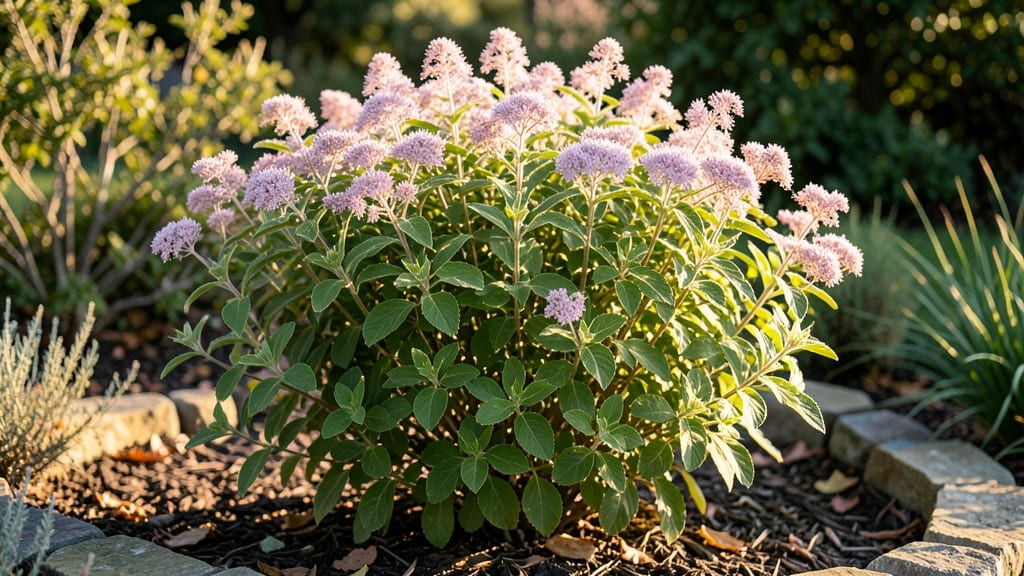
The smoke bush thrives in sun or shade with the right care, making it a versatile choice for any garden 🌿 — but its vibrant foliage fades fast when light needs aren’t met.
Picture this: your smoke bush (Cotinus coggygria) starts the season with deep purple leaves, only to turn pale and sparse by summer. That’s a classic sign of light stress, and it’s easier to fix than you’d think.
Whether you’re planting in full sun or partial shade, the key is understanding how light affects its growth, color intensity, and even disease resistance. In this guide, I’ll break down the best sunlight conditions, how to adapt care for shadier spots, and which varieties handle low light best.
By the end, you’ll know exactly how much sun your smoke bush needs to stay lush year-round—no guesswork, just thriving foliage.
 Best Window Placement
Ideal sunlight conditions for smoke bush growth and color intensity
The smoke bush (Cotinus) is famous for its smoky plumes and vibrant foliage, but its light requirements directly impact these show-stopping features. While it adapts to partial shade, full sun unlocks the most intense colors and compact growth.
Understanding these needs helps you choose the perfect spot—whether that's a sun-drenched border or a dappled woodland edge.
Most smoke bush varieties thrive with 6+ hours of sunlight daily, but some—like Royal Purple—can handle 4 hours of morning sun paired with afternoon shade. The key is balancing light intensity with your climate zone.
In hot, dry regions, afternoon shade prevents leaf scorch, while cooler climates benefit from full sun exposure to boost flowering.
Color intensity is directly tied to sunlight. Golden Spirit varieties develop richer yellow-green hues in full sun, while Royal Purple deepens its burgundy tones with at least 4 hours of direct light. In low light, foliage may pale or lose its distinctive smoky plumes, which form from sun-triggered resin production.
Here’s how sunlight affects smoke bush growth by variety and season:
| Variety | Sunlight Needs | Color Impact | Growth Habit | Best For |
|---|---|---|---|---|
| Royal Purple | 6+ hours (full sun to partial shade) | Deepens burgundy foliage; brighter plumes | Compact, rounded (6–10 ft) | Borders, containers, urban gardens |
| Golden Spirit | Full sun (6+ hours) | Golden-yellow foliage intensifies | Upright, airy (8–12 ft) | Mixed shrub beds, focal points |
| Grace | Partial shade (4–6 hours) | Soft pink-purple foliage; muted plumes | Weeping habit (6–8 ft) | Woodland gardens, shade gardens |
| Annapolis | td style="padding: 10px;">Full sun to partial shade (flexible)Silver-blue foliage brightens in sun | Dense, multi-stemmed (5–7 ft) | Drought-tolerant landscapes | |
| Youngii | Partial shade (3–5 hours) | Deep purple-black foliage; minimal plumes | Bushy, dense (4–6 ft) | Shady foundations, evergreen accents |
For Royal Purple and Golden Spirit, full sun maximizes their ornamental value, but even 4 hours of morning sun can work if paired with well-draining soil. In partial shade, growth may slow, and foliage colors fade, though the plant remains disease-resistant.
My Golden Spirit in Zone 7 thrives with 6 hours of sun but shows signs of stress if deprived of afternoon light.
Seasonal adjustments matter too. In summer heat, provide afternoon shade to prevent leaf scorch, especially for young plants. Conversely, winter sun helps hardy varieties like Royal Purple retain color longer. Prune dead or leggy growth in late winter to encourage new, sun-loving shoots.
If your garden lacks full sun, try reflective surfaces like light-colored walls or gravel mulch to bounce extra light onto shady smoke bushes. This trick mimics bright indirect light, which Grace and Youngii varieties appreciate.
Just avoid deep shade—less than 3 hours of light will stunt growth and dull colors.
For container gardening, place smoke bushes near south-facing windows or on patios with afternoon sun. Rotate pots weekly to ensure even light exposure, which prevents lopsided growth. In containers, dwarf varieties like Grace tolerate partial shade better than their taller cousins.
Watch for yellowing leaves or <
How to adapt smoke bush care for low-light or shady locations
Growing a smoke bush (Cotinus) in shady spots requires strategic adjustments to compensate for reduced light. While most varieties prefer full sun, shade-tolerant cultivars like 'Grace' or 'Annapolis' can thrive with partial shade when given the right care.
The key lies in optimizing soil fertility, pruning techniques, and companion plantings to maximize growth.
In low-light conditions, smoke bushes often produce lighter foliage and fewer plume flowers. However, with proper soil amendments and pruning strategies, you can maintain healthy growth and vibrant leaves. For example, adding organic compost or slow-release fertilizer helps compensate for reduced photosynthesis.
Overwatering in shade is a frequent error. Smoke bushes in low-light already grow slower, making their roots more prone to root rot from excess moisture. Always check soil moisture 2 inches deep before watering—wait until it's dry to the touch.
To enhance growth in shady areas, focus on well-draining soil mixed with peat moss or compost to improve nutrient retention. A mulch layer (2-3 inches) of pine bark or shredded leaves helps regulate soil temperature and retain moisture without suffocating roots.
Test your soil's pH level—smoke bushes prefer slightly acidic to neutral (6.0-7.0).
Pruning plays a crucial role in managing smoke bushes in shade. Light pruning in late winter or early spring removes dead or weak branches while encouraging new growth toward the center.
Avoid heavy pruning, which can stress the plant further in low-light conditions. Instead, shape gradually to maintain an open canopy for better air circulation.
Strategic companion planting can also boost your smoke bush's performance. Pair it with taller plants like ornamental grasses or small trees to filter harsh afternoon sun while allowing morning light to reach the foliage. Underplant with shade-tolerant perennials like heuchera or ferns to create a thriving understory ecosystem.
Monitor your smoke bush closely for signs of nutrient deficiency, such as yellowing leaves or stunted growth. If needed, apply a balanced fertilizer (10-10-10) in early spring to support foliage development. With these adjustments, even shade-loving varieties can flourish, adding year-round interest to your garden. 🌿