
Light Requirements
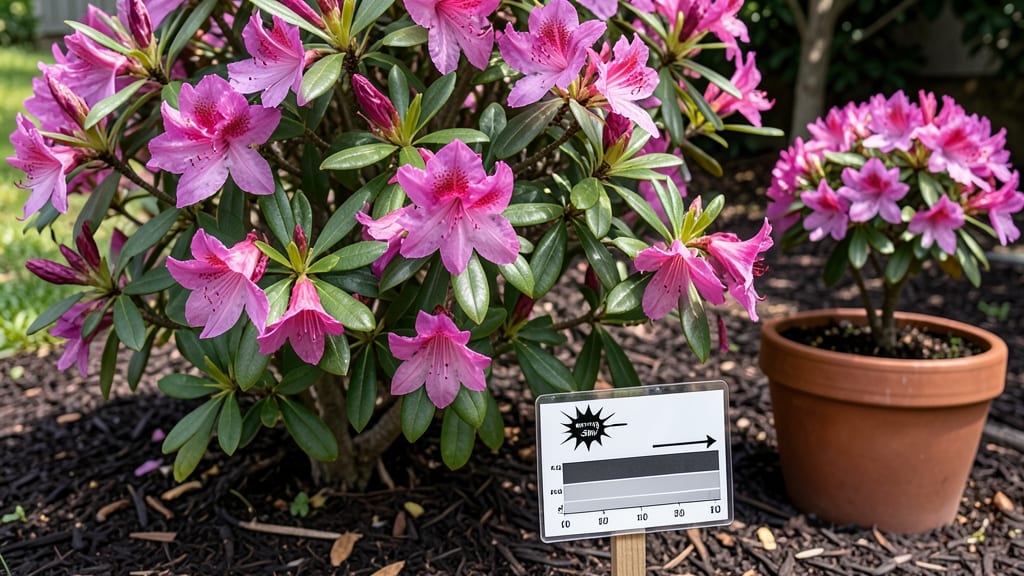
Struggling to keep your azaleas blooming beautifully? The right balance of sunlight is the secret weapon most gardeners overlook—too much or too little can turn vibrant flowers into sparse, weak growth.
In USDA Zone 6a, where azaleas are a fall favorite, afternoon sun is the real enemy. Coastal areas with milder climates can handle slightly more light, but inland gardens need strategic shade solutions like lattice screens or taller plants nearby.
Below, I’ll break down exactly how to position your azalea for success, spot the signs of sun stress, and adjust care based on your yard’s lighting—so you can enjoy those showstopping blooms year after year.

How much sun do azalea bushes really need for healthy growth?
If you've ever watched your azaleas struggle with weak blooms or yellowing leaves, chances are their sunlight exposure is the culprit. Azaleas thrive in partial shade, but many gardeners accidentally give them too much or too little light—both extremes stress these delicate shrubs.
The key is finding that sweet spot of 3-6 hours of morning sun, with protection from harsh afternoon rays. Without this balance, your azaleas may produce fewer flowers or even fail to bloom at all.
Most azalea varieties—especially evergreen types—originate from understory forests where they receive dappled sunlight. Mimicking these conditions in your garden is crucial. Full sun exposure (more than 6 hours) can scorch leaves, while deep shade (less than 3 hours) weakens growth and reduces flowering.
Let's break down exactly how to get it right for your climate and plant type.
🌱 Summary Table: Azalea Sun Requirements
For evergreen azaleas, the most common type in gardens, aim for 3-5 hours of morning sunlight—this gentle exposure helps them develop vibrant blooms without overheating. Deciduous azaleas, which lose their leaves in winter, can handle slightly more light (up to 6 hours), but they still need afternoon shade to prevent leaf burn.
The table above shows how different types respond to sunlight, but remember: these are guidelines—your local climate plays a huge role.
In hot, inland climates, azaleas often need more shade than the general rule suggests. I've seen azaleas in Phoenix thrive with just 2-3 hours of morning sun when paired with a 50% shade cloth during peak afternoon heat.
Conversely, in cooler, northern regions, they can tolerate up to 6 hours of direct sun because the intensity is lower. Always observe your plants: if leaves start curling or turning yellow, they're getting too much sun.
Seasonal adjustments are key to azalea success. During summer months, when sunlight is most intense, provide extra shade using lightweight fabric screens or by planting them near taller trees that offer filtered light.
In winter, when days are shorter, azaleas can handle more direct sunlight since the sun's rays are less harsh. This is why many gardeners see their azaleas bloom best in early spring—they've had time to recover from winter dormancy with gentle light exposure.
Watch your azaleas' leaves and blooms for signs of sunlight stress. Leaf scorch (brown, crispy edges) means too much sun, while pale, sparse leaves indicate insufficient light. Even worse, bud drop—when flower buds fall off before opening—is often a sign of inconsistent sunlight.
If you notice these issues, move your azalea to a spot with 30-50% shade and monitor for 2-3 weeks to see if the symptoms improve.
Positioning matters just as much as duration. Plant azaleas on the north or east side of structures, where they receive morning sun but are shaded in the afternoon. If you're using containers, place them where they get bright, indirect light for most of the day.
I once had an azalea in a west-facing pot that struggled until I moved it to a shaded patio—its blooms doubled in size within a month! Always consider the path of the sun in your garden when choosing a spot.
One common mistake is assuming that "partial shade" means any old spot will do. Dappled sunlight (light filtered through leaves) is ideal, but dense shade from evergreens can be too dark.
Test your spot by placing a white sheet of paper on the ground where you plan to plant—if it stays mostly dark even at midday, that area is likely too shady. For the best results, aim for a location where the ground receives soft, shifting light patterns throughout the day.
If your garden lacks natural shade options, create artificial solutions like shade sails or lattice screens wrapped in sheer fabric. These allow air circulation while blocking harsh rays.
I've also had success using reflective mulch (like white gravel) around the base of azaleas to bounce light upward without overheating the roots. These small adjustments can make a world of difference for sun-sensitive azaleas.
Best sunlight solutions for different azalea varieties and climates
Not all azaleas thrive under the same sunlight conditions—evergreen and deciduous varieties have different needs, and your local climate can drastically change what works. For example, coastal azaleas often handle more sun than inland varieties due to cooler temperatures and higher humidity.
Understanding these nuances helps you position your azaleas for vibrant blooms and healthy foliage without risking leaf scorch or bud drop.
In hot inland climates, afternoon sun can turn azalea leaves crispy within weeks, while cooler mountain regions may allow more direct light.
The key is matching your azalea variety to your microclimate—whether that means planting under dappled shade from tall trees or using reflective mulch to maximize light without overheating roots.
Sunlight Solutions for Azalea Bushes
Evergreen Azaleas
- ✔ 3-4 hours morning sun
- ✔ Afternoon shade cloth (30-50%)
- ✔ Coastal climates tolerate 5+ hours
Deciduous Azaleas
- ✖ Avoid full sun (leaves burn)
- ✖ Inland climates need filtered light
- ✖ Prune nearby trees for dappled shade
Creative Shade Hacks
- 🌳 Plant near evergreens (e.g., pine, spruce)
- 🪴 Use lattice screens for adjustable shade
- 💧 Mulch with white gravel to reflect heat
For evergreen azaleas, like the popular Rhododendron 'Girard's Pink', aim for 3-4 hours of morning sun paired with afternoon shade. These varieties often thrive in coastal gardens where cooler ocean breezes prevent leaf scorch.
In hotter inland areas, extend shade to 50% coverage using shade cloth or lattice panels—this mimics the natural dappled light they’d receive under tall trees.
Deciduous azaleas, such as Rhododendron 'Hershey's Red', are even more sensitive to sun. They perform best with filtered light all day, which you can achieve by planting them under deciduous trees (like oak or maple) that provide seasonal shade. If your yard lacks natural shade, consider strategic pruning of nearby branches to create a canopy effect during peak sunlight hours.
In high-sun areas, I’ve had success using reflective mulch (like white pebbles) around azalea bases to bounce light away while keeping roots cool. Pair this with deep watering in the morning to reduce stress.
For container-grown azaleas, move pots to shadier spots during summer afternoons—even a patio awning can make the difference between wilting leaves and lush blooms.
Always monitor your azaleas for color changes in leaves—yellowing signals too much sun, while purple tinges often mean root stress from heat. Adjust shade solutions gradually to avoid shocking the plant, and remember: patience is key when testing new sunlight setups.
With the right balance, your azaleas will reward you with season-after-season blooms that steal the show.