
Pests and Diseases
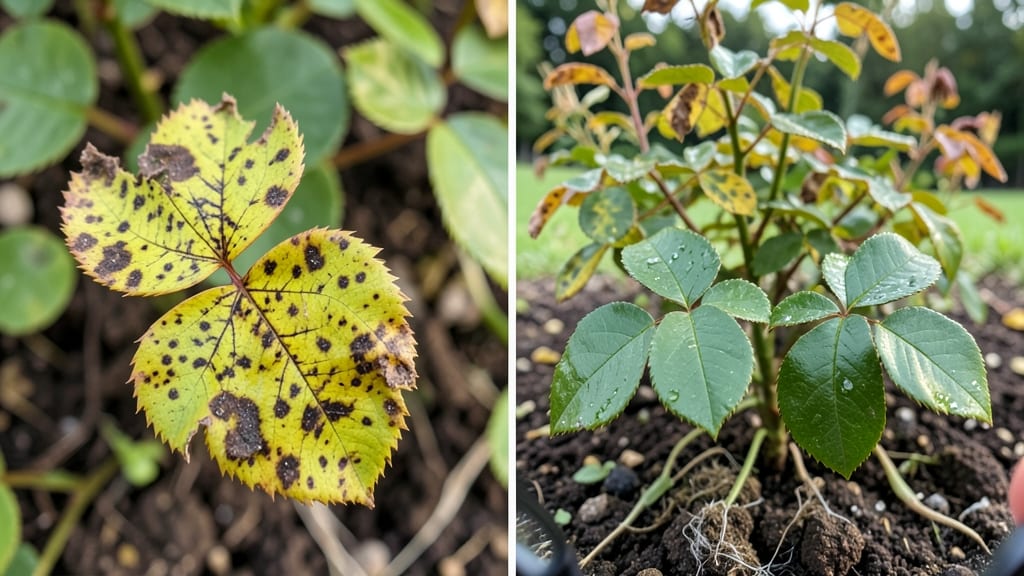
Your rose bush leaves turning yellow and falling off is a red flag—often the first sign of a bigger problem. 🌿 I’ve seen this happen after years of neglect, but the good news?
Most causes are fixable with the right diagnosis. The key is acting fast before the issue spreads to stems or blooms.
Start by checking the soil moisture—overwatering or poor drainage drowns roots, turning leaves yellow first. Then inspect the undersides of leaves for black spots (fungus) or tiny pests like spider mites. Nutrient deficiencies, like lack of nitrogen or iron, can also trigger this, especially in clay-heavy soil.
Once you pinpoint the cause, solutions are straightforward: prune affected leaves, adjust watering, and apply fungicide or fertilizer as needed. I’ve saved roses from total collapse with these steps—even when they looked hopeless. The secret? Don’t wait until the whole bush is sick.
Prevention is easier than cleanup: space plants for airflow, mulch to retain moisture, and fertilize in early spring. If the problem persists after your fixes, it might be time to consult a local extension service. Your roses can bounce back—if you catch it early.
Root Causes Behind Yellowing Leaves
When your rose bush leaves start turning yellow and dropping like autumn leaves in spring, it’s usually a cry for help from the plant. Understanding the why behind this distress is half the battle—because once you know the culprit, you can take precise action to save your roses.
Below, we break down the most common reasons, from environmental stressors to hidden pests, with clear explanations of how they trigger leaf discoloration and shedding.
Roses hate soggy feet—literally. Overwatering or compacted, poorly draining soil strangles roots by cutting off their oxygen supply. When roots suffocate, they can’t absorb nutrients or water efficiently, causing leaves to yellow (a condition called chlorosis) and eventually drop.
This is especially common in clay-heavy soils or containers without drainage holes.
How to spot it:
- Yellowing leaves starting at the bottom of the bush.
- Wet, mushy soil even days after watering.
- Stunted new growth or blackened stems.
Quick fix: Let the top 2–3 inches of soil dry out between waterings, and amend heavy soil with compost or perlite to improve aeration. If your rose is in a pot, ensure it has drainage holes and repot if needed.
On the flip side, roses also suffer when they’re parched. Chronic underwatering forces the plant to conserve moisture by shedding leaves, which are water-heavy. Yellowing often begins at the edges of leaves (a sign of scorch) before the whole leaf turns yellow and falls.
Mulching can help retain moisture, but roses need 1–1.5 inches of water per week (more in extreme heat).
How to spot it:
- Crispy, dry leaf edges.
- Leaves curling or wilting in the heat.
- Soil pulling away from pot edges (if potted).
Quick fix: Water deeply at the base of the plant (not overhead) in the early morning to reduce evaporation. Use a soaker hose or drip irrigation for consistent moisture, and apply 2–3 inches of mulch (like shredded bark) to retain water.
Yellow leaves can be your rose’s way of screaming, “Feed me!” The most common deficiencies causing this issue are:
| Nutrient | Yellowing Pattern | Other Clues |
|---|---|---|
| Nitrogen (N) | Older leaves turn pale yellow first, then brown. | Stunted growth, fewer blooms. |
| Iron (Fe) | Young leaves develop interveinal chlorosis (yellow between veins). | Common in alkaline soils (pH > 7.0). |
| Magnesium (Mg) | Yellow patches between veins on older leaves. | Leaves may develop brown “dead” spots. |
| Potassium (K) | Yellowing with brown edges (like scorch). | Weak stems, poor disease resistance. |
Quick fix: Test your soil’s pH (ideal: 6.0–6.5 for roses). If alkaline, add chelated iron or sulfur to lower pH. Feed with a balanced rose fertilizer (10-10-10) in spring and a potassium-rich fertilizer (like 0-0-50) in late summer. For magnesium, use Epsom salt (1 tbsp per gallon of water) every 4–6 weeks.
Fungal infections like black spot, powdery mildew, and rust thrive in humid, shaded conditions and cause leaves to yellow and drop prematurely. These pathogens clog stomata (leaf pores), disrupting nutrient flow and photosynthesis.
How to spot them:
- Black spot: Dark spots with yellow halos on upper leaves.
- Powdery mildew: White, powdery coating (like dust) on leaves.
- Rust: Orange-brown pustules on undersides of leaves.
Quick fix:
- Prune infected leaves immediately (sterilize shears with rubbing alcohol).
- Space plants for good airflow (3–4 feet apart).
- Apply neem oil or copper fungicide every 7–10 days until cured.
- Avoid overhead watering; water at the base in the morning.
Sap-sucking pests like aphids, spider mites, and scale insects inject toxins into leaves, causing yellowing and premature drop. These pests also weaken the plant, making it vulnerable to secondary infections.
How to spot them:
- Aphids: Sticky residue (honeydew) on leaves; curled or distorted new growth.
- Spider mites: Tiny webs on leaf undersides; speckled yellowing.
- Scale insects: Bumpy, waxy spots on stems/leaves; sooty mold (black fungus) may appear.
Quick fix:
- Blast pests off with a strong spray of water (disrupts their life cycle).
- Use insecticidal soap or neem oil (repeat every 5–7 days).
- Introduce beneficial insects like ladybugs or lacewings for natural control.
- Remove heavily infested leaves and sterilize pruners.
Roses are tough, but they’re not fans of extreme heat, cold snaps, or sudden temperature swings. Stress from these factors can trigger yellowing and leaf drop as the plant conserves energy. Other culprits include:
- Heat stress: Leaves may scorch (yellow/brown edges) in temperatures above 90°F (32°C).
- Cold damage: Frost or late spring freezes cause leaves to blacken and drop.
- Windburn: Constant wind desiccates leaves, leading to yellowing and crispy edges.
- Transplant shock: Newly planted roses may drop leaves for 2–4 weeks as they adjust.
Quick fix:
-
<
How to Fix It Naturally
Now that you’ve identified why your rose bush leaves are turning yellow and dropping, it’s time to take action! The good news? Most issues can be resolved with targeted care—no drastic measures required.
Below are practical, step-by-step solutions tailored to each common cause, plus prevention tips to keep your roses thriving long-term.
---
Signs: Yellowing leaves, soggy soil, wilting despite water, or leaves falling off easily.
How to Fix: 🔥 Step 1: Check the Soil - Stick your finger 2 inches deep into the soil. If it feels damp or sticky, your roses are overwatered. - Test drainage: Water the plant, then wait 30 minutes. If water pools on top, drainage is poor.
🍳 Step 2: Improve Drainage - Amend the soil with perlite, sand, or compost (50/50 mix of existing soil and organic matter). - Raise the plant slightly by adding a 1-inch layer of gravel at the base before replanting (if needed).
👨🍳 Step 3: Adjust Watering Habits - Water deeply but less often—aim for 1–1.5 inches per week (including rain). - Water at the base, not overhead, to prevent fungal diseases. - Use a moisture meter if you’re unsure—keep soil evenly moist, not soggy.
🥘 Step 4: Prune Damaged Leaves - Snip off yellow or mushy leaves with clean pruners (dip in rubbing alcohol first). - Focus on lower leaves where water pools.
💡 Prevention Tip: - Plant roses in well-draining soil (avoid clay-heavy areas). - Mulch around the base (2–3 inches of wood chips) to regulate moisture.
---
Signs: Yellowing edges, crispy leaves, wilting in afternoon heat, leaves falling off suddenly.
How to Fix: 🔥 Step 1: Provide Afternoon Shade - Install a lightweight shade cloth (30–50% coverage) for 2–4 hours during peak sun (11 AM–3 PM). - Use lattice screens or trellises with climbing plants (like morning glories) for natural shade.
🍳 Step 2: Hydrate Properly - Water in the early morning (before 10 AM) to reduce evaporation. - Mulch heavily (3–4 inches) with straw or pine needles to retain moisture.
👨🍳 Step 3: Adjust Fertilizer - Reduce nitrogen (too much burns leaves in heat). Switch to a balanced 10-10-10 or low-nitrogen fertilizer. - Add potassium (like banana peel tea) to help with heat tolerance.
🥘 Step 4: Prune for Airflow - Thin out crowded branches to improve airflow and reduce stress.
💡 Prevention Tip: - Choose heat-tolerant rose varieties (e.g., ‘Knock Out’ roses, ‘Dr. Huey’). - Avoid pruning in extreme heat—wait for cooler days.
---
Signs: Yellowing leaves with holes, webbing, or tiny bugs (aphids, spider mites, Japanese beetles).
How to Fix: 🔥 Step 1: Identify the Pest - Aphids: Sticky residue (honeydew), curled leaves. - Spider mites: Fine webbing, speckled leaves. - Japanese beetles: Skeletonized leaves (chewed edges).
🍳 Step 2: Manual Removal (Best for Small Infestations) - Blast off aphids with a strong spray of water (use a hose nozzle). - Handpick Japanese beetles into soapy water (do this in the morning when they’re sluggish). - Wipe spider mites off leaves with a damp cloth or neem oil-soaked cotton ball.
👨🍳 Step 3: Natural Sprays - Neem oil spray (1 tsp neem oil + 1 tsp mild soap + 1 quart water).
Spray every 5–7 days until pests are gone. - Insecticidal soap (follow package instructions) for soft-bodied pests like aphids. - Kaolin clay (like Surround WP) creates a protective barrier against beetles.
🥘 Step 4: Encourage Beneficial Bugs - Ladybugs, lacewings, and parasitic wasps eat aphids. Buy them online or attract them with dill or fennel plants.
💡 Prevention Tip: - Inspect new plants before bringing them home. - Remove fallen leaves (pests hide in them). - Use row covers early in the season to block beetles.
---
Signs: Yellow spots with black rings (black spot), powdery white coating (powdery mildew), or leaf drop with fungus-like growth.
How to Fix: 🔥 Step 1: Prune Infected Areas - Cut off yellow/spotted leaves ½ inch below the damage with sterilized pruners (rubbing alcohol). - Dispose of pruned leaves in the trash (not compost).
🍳 Step 2: Apply Fungicide - Baking soda spray (1 tsp baking soda + 1 quart water + few drops of soap). Spray every 7–10 days. - Copper fungicide (like Bordeaux mixture) for severe cases. - Neem oil (also works as a preventative).
👨🍳 Step 3: Improve Airflow & Light - Space plants 3–4 feet apart to reduce humidity. - Thin out dense foliage to let sunlight reach inner branches.
🥘 Step 4: Water Wisely - Water at the base (avoid wetting leaves). - Water in the morning so leaves dry quickly.
💡 Prevention Tip: - Avoid overhead sprinklers. - Plant roses in full sun (6+ hours/day) to deter fungi. - Rotate fungicides if diseases recur.
--- Signs: Yellowing between veins (iron/chlorosis), purple stems (phosphorus), or weak, small leaves (nitrogen).
How to Fix: 🔥 Step 1: Test Your Soil - Use a DIY soil test kit (or send a sample to a local extension office). - pH should be 6.0–6.5 for roses—adjust with lime (to raise pH) or sulfur (to lower pH).
🍳 Step 2: Targeted Fertilizing - Iron deficiency (yellow between veins)? - Apply chelated iron or iron sulfate (follow package rates). - Epsom salt spray (1 tbsp per gallon of water) for magnesium. - Nitrogen deficiency (pale green leaves)? - Use a high-nitrogen fertilizer (like blood meal) in early spring. - Phosphorus deficiency (purple stems)? - Add bone meal or a balanced 10-10-10 fertilizer.
👨🍳 Step 3: Organic Boosts - Compost tea (brew compost in water for 24 hours, strain, and spray). - Fish emulsion (for nitrogen) or kelp meal (for micronutrients).
🥘 Step 4: Mulch for Slow Release - Wood chips or straw mulch (2–3 inches) feeds soil microbes that break down nutrients.
💡 Prevention Tip: - Fertilize in early spring (before new growth) and mid-summer—avoid fall feeding. - **Avoid over
Frequently asked questions
Why do rose bush leaves turn yellow first at the bottom?
Bottom leaves yellowing first usually signals root stress from overwatering or poor drainage. When roots suffocate, they can't transport nutrients upward, causing older leaves (which produce food for the plant) to yellow first. Check for soggy soil or compacted roots—these are classic signs of root rot developing.
Can I save my rose bush if half the leaves are already yellow and falling?
Yes! Act fast by pruning all yellow leaves (sterilize shears first) and addressing the root cause. If it's water-related, adjust your schedule immediately—roses need 1-1.5 inches of water weekly. For nutrient issues, a balanced fertilizer (10-10-10) can revive them in 4-6 weeks. The key is stopping further damage while the healthy roots remain.
What's the difference between yellow leaves from overwatering vs. underwatering?
Overwatered leaves turn uniformly yellow (often starting at the bottom) with soft, mushy texture. Underwatered leaves show crispy edges and may curl upward. Check the soil: if it's damp 2+ inches down, you're overwatering. If dry at that depth, you need more frequent watering—especially in hot weather.
Will pruning yellow leaves help my rose bush recover?
Pruning removes the plant's energy drain while allowing it to focus on healthy growth. Always use clean, sharp shears (sterilized with rubbing alcohol) and cut just above a leaf node. For severe cases, remove up to 30% of the bush to improve airflow. Never prune more than 25% at once—this stresses the plant further.
How do I know if my rose bush has a fungal disease vs. nutrient deficiency?
Fungal diseases (like black spot) show distinct spots with yellow halos or powdery white coatings. Nutrient deficiencies cause uniform yellowing patterns—like yellow between veins (iron deficiency) or purple stems (phosphorus deficiency). Test your soil's pH (6.0-6.5 is ideal) and look for other clues: fungi thrive in humid, shaded conditions while deficiencies appear system-wide.