
Pests and Diseases
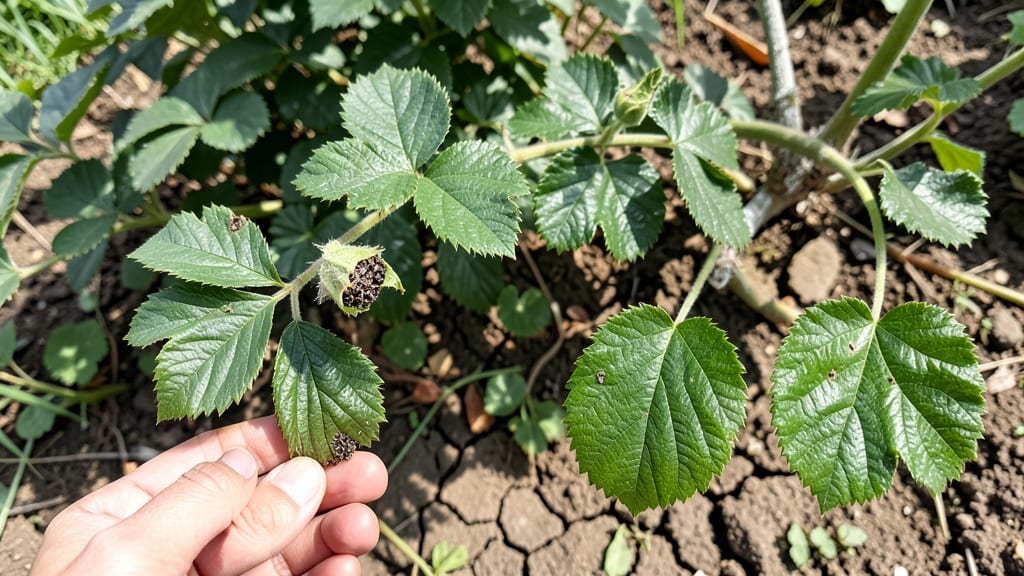
Blackberry bush leaves curling could mean fungal blight—or it might be something simpler. 🌿 I’ve seen this happen after a hot spell, and the fix often starts with a closer look at the undersides of those leaves.
What looks like a minor issue can turn into a full-blown problem if ignored, but the good news? Most cases respond to 3 natural steps that don’t require harsh chemicals.
The culprits are usually fungal spores thriving in damp conditions, spider mites hiding in the curled edges, or even nutrient deficiencies from poor soil. I once thought my blackberries were doomed until I spotted tiny webs—turns out, it was just mites.
The key is diagnosing correctly: check for discoloration, sticky residue (aphids), or powdery mildew on the stems. Once you know the cause, the solution becomes clear.
By the end, your bushes will be thriving again—no more curled leaves, no more wasted fruit. You’ll learn how to prune for airflow, apply organic fungicides, and adjust watering to prevent future outbreaks.
The best part? These fixes work for raspberries too, so you’re covering your bases for the whole berry patch.
Whether you’re dealing with a single plant or a whole row, this method scales easily. No guesswork, no expensive sprays—just a foolproof way to bring your blackberries back to life. Let’s get those leaves flat and growing again.
Root Causes Behind Curled Leaves
When your blackberry bush leaves start curling like a frustrated hand, it’s rarely a coincidence—it’s a distress signal from the plant. Understanding the why behind this symptom is the first step to saving your harvest.
Below, we break down the most common culprits, from sneaky pests to environmental stressors, with the science-backed details you need to act fast.
Blackberries are tough, but extreme heat or dry soil can push them past their comfort zone. When temperatures climb above 90°F (32°C) or soil moisture drops too low, leaves curl inward to reduce water loss—a survival tactic called transpiration reduction.
This often happens in late summer when roots struggle to pull up enough water.
Key signs to confirm:
- Leaves feel dry or crispy to the touch.
- Soil is bone-dry 2–3 inches below the surface.
- Curling is uniform across the bush, not patchy.
✨ Pro Tip: Mulch with 3–4 inches of organic matter (straw, wood chips) to retain moisture and shield roots from heat. Water deeply early in the morning to minimize evaporation.
If curling leaves are also yellowing, spotted, or covered in a fuzzy mold, fungal blight (like anthracnose or powdery mildew) is likely the villain. Fungi thrive in humid, stagnant conditions and infect leaves through tiny wounds or stomata (leaf pores).
Once inside, they disrupt cell function, causing leaves to curl and thicken as a defense mechanism.
How to ID fungal issues:
Symptom
Likely Culprit
Dark, sunken spots with yellow halos
Anthracnose (common in wet springs)
White, powdery coating on undersides
Powdery Mildew (loves shady, humid spots)
Black, crusty lesions
Botrytis Blight (post-rain or poor airflow)
💡 Action Step: Prune infected leaves immediately (don’t compost them!) and improve airflow with spaced-out canes or a fan in greenhouses. Apply a baking soda spray (1 tsp baking soda + 1 quart water + a drop of soap) for mild cases.
Tiny mouthparts are silently draining your blackberry’s vitality. Spider mites, aphids, and thrips insert their stylets into leaf tissue to suck sap, triggering a chemical alarm that makes leaves curl and distort.
Spider mites, in particular, thrive in dry, dusty conditions, while aphids cluster on new growth, excreting sticky honeydew that attracts sooty mold.
Pest ID cheat sheet:
- Spider mites: Tiny yellow specks on leaf undersides + fine webbing.
- Aphids: Sticky residue on leaves + curled, puckered new growth.
- Thrips: Silver streaks on leaves + curled edges (they scrape cells like sandpaper).
🔥 Quick Fix: Blast pests off with a strong spray of water (disrupts their grip), then introduce predatory insects (ladybugs, lacewings) or use neem oil (1 tsp per quart of water) for organic control.
Curling can also signal a mineral imbalance. Blackberries are heavy feeders, and deficiencies—especially in magnesium, nitrogen, or potassium—disrupt cell structure. For example:
- Magnesium deficiency (yellowing between veins): Causes leaves to curl upward as chlorophyll breaks down.
- Nitrogen shortage (pale, stunted leaves): Leads to curling as the plant prioritizes root growth over foliage.
- Potassium deficiency (brown leaf edges): Weakens cell walls, making leaves brittle and curled.
🌡️ Soil Test Tip: Send a sample to your local extension office for a pH and nutrient analysis. Quick fixes include:
- Epsom salt (magnesium sulfate) for yellowing: 1 tbsp per gallon of water, sprayed weekly.
- Compost or fish emulsion for nitrogen: Work into soil in early spring.
- Wood ash (potassium source): Sprinkle lightly around the base (avoid overdoing it—it raises pH).
🎯 Remember: Curling leaves are your bush’s way of saying, “Something’s off—help me fix it!” Start by checking the soil moisture, inspecting leaf undersides for pests, and scanning for fungal signs. Act on the most obvious issue first, and your blackberries will bounce back stronger.
Quick Fixes for Curling Leaves
When your blackberry bush leaves start curling, it’s a clear signal that something’s off—but don’t panic! With the right approach, you can restore your plant’s health and prevent further damage. Below are practical, step-by-step solutions tailored to the most common causes of curling leaves, from fungal blight to environmental stress.
Each fix is designed to be easy to follow, whether you’re a gardening newbie or a seasoned green thumb.
---
Fungal infections like anthracnose or powdery mildew thrive in damp, shaded conditions, causing leaves to curl, yellow, or develop dark spots. Here’s how to tackle it naturally and effectively:
#### 🔥 Step 1: Prune for Better Airflow Fungus spreads faster in crowded, humid environments. Thin out overgrown branches to improve airflow around the bush. - How to do it: Use clean, sharp pruners to remove: - Dead or heavily infected leaves (sterilize tools with rubbing alcohol between cuts). - Branches rubbing against each other. - Suckers growing at the base (they compete for nutrients). - Pro tip: 💡 Prune in the early morning when fungal spores are less active.
#### 🍳 Step 2: Apply a Fungicide Spray Skip the harsh chemicals—opt for natural fungicides that work just as well: | Option | How to Use | Best Time to Apply | |--------------------------|-------------------------------------------------------------------------------|---------------------------------| | Neem Oil Spray | Mix 1 tbsp neem oil + 1 tsp mild soap + 1 quart water.
Spray thoroughly (top and bottom of leaves). | Evening (avoids burning leaves in sunlight). | | Baking Soda Solution | Combine 1 tbsp baking soda + 1 quart water + a few drops of dish soap.
Spray weekly. | Morning or evening (prevents leaf scorch). | | Copper Fungicide | Follow package instructions (organic options like Bonide Copper Fungicide). | At first sign of fungus, then every 7–10 days. |
- Pro tip: 🌡️ Reapply after rain—fungicides wash off quickly!
#### 👨🍳 Step 3: Adjust Watering Habits Overwatering or poor drainage invites fungal growth.
Fix it with these tweaks: - Water deeply but less often—aim for 1–1.5 inches per week (check soil moisture before watering). - Water at the base (avoid wetting leaves to reduce fungal spores). - Improve drainage—amend soil with compost or perlite if it’s clay-heavy. - Mulch properly—use 2–3 inches of organic mulch (straw or wood chips) to retain moisture without suffocating roots.
---
Extreme temperatures (scorching sun or frost) can cause leaves to curl inward as a protective measure. Here’s how to shield your blackberry bush:
#### 🌞 Shield from Scorching Sun - Provide afternoon shade with a lightweight shade cloth (30–50%) during peak summer heat. - Mulch heavily (3+ inches) to keep roots cool. - Water deeply in the morning to help leaves withstand heat stress.
#### ❄️ Protect from Frost - Cover young plants with frost blankets or burlap sacks on cold nights. - Plant in a sheltered spot (near a fence or south-facing wall) to trap heat. - Avoid late-season fertilizing—tender new growth is more frost-sensitive.
---
Pests like spider mites, aphids, or thrips suck sap from leaves, causing curling. Spot and squash them fast!
#### 🕷️ Identify the Pest | Pest | Signs | Quick Fix | |----------------|------------------------------------|------------------------------------------------------------------------------| | Spider Mites | Tiny webs, stippled/yellow leaves | Spray with water + dish soap or neem oil.
Repeat every 3–4 days. | | Aphids | Sticky residue (honeydew), curled leaves | Blast off with water spray or use insecticidal soap. | | Thrips | Silver streaks, distorted leaves | Apply diatomaceous earth (food-grade) or pyrethrin spray. |
- Pro tip: 🎯 Encourage predator insects like ladybugs by planting marigolds or dill nearby!
---
Once your blackberry bush is back in shape, lock in those gains with these long-term strategies:
- 🌱 Choose disease-resistant varieties (e.g., ‘Arapaho’ or ‘Natchez’ blackberries). - 🌧️ Space plants 4–6 feet apart for airflow (fungus hates competition!). - 🍂 Clean up fallen leaves in autumn to remove fungal spores. - 🔄 Rotate crops if growing blackberries in containers (don’t replant in the same soil yearly). - 📅 Monitor regularly—catch curling leaves early before they spread!
--- Remember: Patience is key! Some fixes (like fungal treatments) take 2–4 weeks to show full results. Stick with it, and your blackberry bush will bounce back—stronger and more resilient than ever! 🌿✨
Frequently asked questions
Why are my blackberry leaves curling upward but not yellowing?
This is often a sign of heat stress or low humidity. When temperatures exceed 90°F (32°C), leaves curl to reduce water loss—a survival mechanism. Check soil moisture 2–3 inches deep; if dry, water deeply in the morning and add 2–3 inches of mulch to retain moisture. Curling without yellowing can also indicate magnesium deficiency—try a foliar spray with Epsom salt (1 tbsp per gallon of water).
Can I still harvest blackberries if the leaves are curling?
It depends on the cause! If curling is due to pests (like spider mites) or environmental stress (heat/drought), the fruit is usually safe to eat. However, if fungal diseases (anthracnose, powdery mildew) are causing curling, avoid harvesting from infected branches—spores can contaminate the berries. Always wash fruit thoroughly before eating, and remove any visibly diseased leaves before picking.
How do I tell if my blackberry bush has spider mites or fungal blight?
Check the undersides of leaves first: Spider mites leave tiny yellow specks and fine webbing, while fungal blight shows as dark spots, powdery coatings, or crusty lesions. Hold a magnifying glass over curled edges—mites look like tiny red dots, while fungus often appears fuzzy or slimy. For confirmation, scrape a small sample onto a white paper towel: mites leave yellow residue; fungus may show spores.
Will pruning help if my blackberry leaves are already curled?
Pruning improves airflow, which is critical for fungal issues and pest control. Remove 20–30% of the most affected leaves (focus on crowded or diseased ones) using sterilized pruners. Thin out branches rubbing together and cut back any suckers at the base. Prune in the early morning to reduce fungal spore spread, and dispose of infected clippings in the trash—not the compost!
Can I use the same neem oil spray for both pests and fungi?
Yes! Neem oil is a versatile organic solution for both pests and fungal diseases. Mix 1 tablespoon neem oil + 1 teaspoon mild soap + 1 quart water and spray thoroughly (top and bottom of leaves). Apply in the evening to avoid leaf burn from sunlight. For stubborn fungal issues, repeat every 7–10 days or until new growth appears healthy. Always test a small area first!