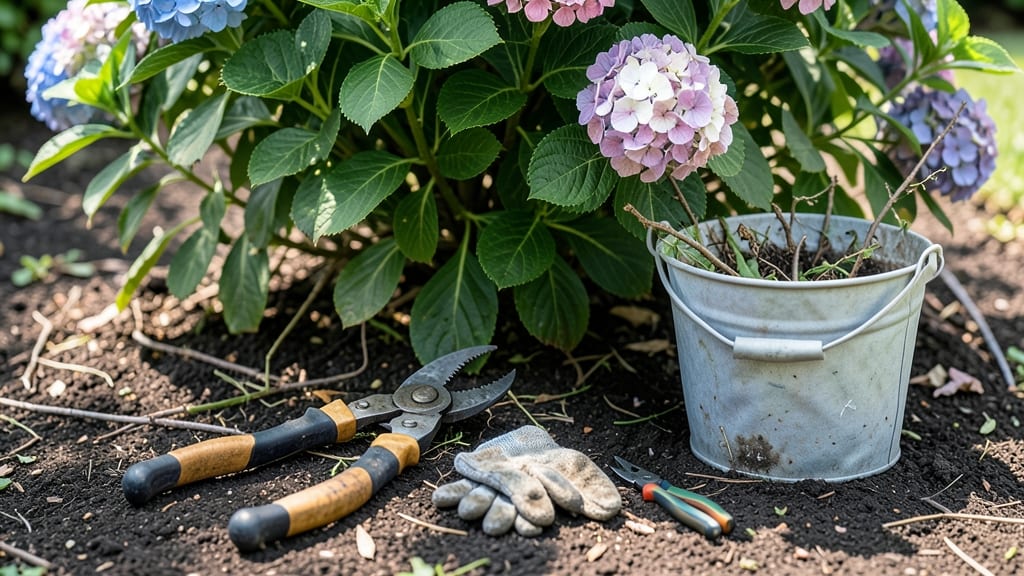
Buying guide: how to choose the right big scissors for cutting bushes
1. Blade Type: Bypass vs. Anvil 💡
The blade type is the most critical factor when choosing big scissors for bushes. Bypass blades (two curved blades that slide past each other) create clean, precise cuts without crushing plant tissue—ideal for live branches and shrubs.
They’re perfect for roses, hedges, and delicate plants where you want minimal damage. Anvil blades (one flat blade crushing against a sharp edge) are better for deadwood or thick, woody stems but can damage live tissue.
In my experience, bypass blades are the best overall choice for most gardeners, but anvil blades offer durability for tough jobs at a lower cost.
2. Cutting Capacity: Match the Tool to the Job ⚡
Measure your target branches before buying! 10-inch to 12-inch cutting capacity handles most shrubs and small trees, while 14-inch+ capacity is needed for thick, woody branches. Counter-intuitively, longer handles (20+ inches) provide more leverage, making it easier to cut through thick branches with less force.
For example, a 24-inch bypass pruner can handle branches up to 12 inches thick with ease, while an 18-inch anvil pruner struggles beyond 6 inches. If you’re tackling mature bushes, prioritize longer handles and higher cutting capacity—your hands will thank you!
3. Ergonomics: Reduce Hand Fatigue ✅
Pruning for hours can turn into a workout if your scissors lack proper ergonomics. Look for non-slip grips (especially if branches are wet) and shock-absorbing handles to reduce vibration fatigue. Foldable designs save space but may sacrifice comfort, while ergonomic bow handles distribute weight evenly.
I recommend testing the grip in-store if possible—your fingers should wrap naturally without strain. For long sessions, lightweight materials (like aluminum) reduce arm fatigue, while heavier tools (like forged steel) offer better leverage for thick cuts.
4. Durability and Maintenance: Long-Term Value 🔍
Investing in a rust-resistant coating and high-quality steel blades pays off over time. Stainless steel or carbon steel resists corrosion, while self-sharpening mechanisms (found in premium models) keep blades razor-sharp. Maintenance matters: oil blades after use to prevent rust, and sharpen them annually.
Budget-friendly options may dull faster, requiring more frequent upkeep. If you prune regularly, a mid-range or premium tool with a warranty will save you money in the long run—trust me, I’ve replaced cheap shears that rusted after one season!
5. Price vs. Performance: Where to Spend 💰
Budget-friendly options (under mid-range pricing) work for light pruning but may struggle with thick branches. Mid-range models (like the 24-inch bypass shears) strike the best balance, offering professional performance without breaking the bank.
Premium tools are a significant investment but built for commercial use—ideal if you prune daily or tackle large landscapes. Pro tip: Skip the cheapest anvil shears for live plants; they crush stems and promote disease. Instead, allocate your budget toward a bypass blade for healthier cuts and happier bushes.
Frequently asked questions
Q: What size of big scissors should I choose for cutting bushes?
For most gardeners, 12-inch to 14-inch cutting capacity is ideal for shrubs and small trees. If you’re dealing with thick, woody branches (over 2 inches), opt for longer handles (20+ inches)—they provide better leverage. Bypass pruners with 12-inch blades handle roses and hedges beautifully, while anvil pruners (10-inch capacity) work well for deadwood. I recommend testing the tool’s reach before buying to ensure comfort during use.
Q: Are bypass or anvil scissors better for live bushes?
1
Bypass blades
are the clear winner for live bushes—they create clean cuts without crushing plant tissue, promoting faster healing. Anvil blades are better for dead branches but can damage live stems, leading to disease. If you’re pruning roses, hedges, or flowering shrubs, invest in a bypass pruner with a 12-inch cutting capacity. For tough, dry branches, anvil shears offer durability at a lower cost.
Q: How do I maintain my big scissors to keep them sharp?
Sharpness is key! After each use, wipe blades with a dry cloth to remove sap, then apply a light oil coating (like mineral oil) to prevent rust. Sharpen annually with a file or whetstone, focusing on the blade’s edge. For bypass pruners, check the alignment of the blades—misaligned blades dull faster. Store them in a dry place (not hanging) to avoid moisture damage. Pro tip: A mid-range or premium tool with a self-sharpening mechanism reduces upkeep.
Q: What’s the difference between pruning shears and loppers?
2
Pruning shears
(like the ones in this roundup) are handheld with 10-14-inch cutting capacity, perfect for small to medium branches. Loppers have longer handles (24-36 inches) and larger blades (up to 20 inches), ideal for thick branches (2-4 inches). If your bushes have thick stems, loppers offer more leverage, but for most shrubs, heavy-duty pruning shears (like the 24-inch bypass model) are more versatile. Loppers are bulkier but essential for mature trees.
Q: Can I use big scissors for cutting thick branches without damaging the plant?
Yes, but only if you use the right tool and technique. For thick branches (over 2 inches), a bypass pruner with a 14-inch+ capacity or loppers are best. Always cut just outside the branch collar (the swollen area where the branch meets the trunk) at a 45-degree angle. Avoid crushing cuts—anvil blades can damage live tissue. If the branch is too thick, make a notch first to guide the cut and reduce tearing. For very thick branches, use a pruning saw instead.
Q: Are expensive pruning scissors worth the investment?
if you prune regularly. Budget-friendly shears (under mid-range pricing) work for light use but dull or rust faster. A mid-range bypass pruner (like the 24-inch model) offers professional performance for years with minimal maintenance. Premium tools (carbon steel blades, self-sharpening) are a long-term investment—ideal for daily use or commercial landscaping. I’ve seen cheap shears fail after one season, while a mid-range or premium tool lasts 5+ years with proper care.
Q: How do I choose between foldable and fixed-handle scissors?
3
Foldable scissors
are perfect for portability—they fit in toolboxes or backpacks and save space. However, they may lack the ergonomic comfort of fixed-handle models. If you travel frequently or need easy storage, foldable shears (like the 12-inch bypass option) are great. For serious pruning, fixed-handle designs (especially ergonomic bow handles) reduce hand fatigue. I recommend foldable shears for occasional gardeners and fixed-handle for regular pruners—your hands will thank you!
★★★★★4.7(6 reviews)