
Shrubs
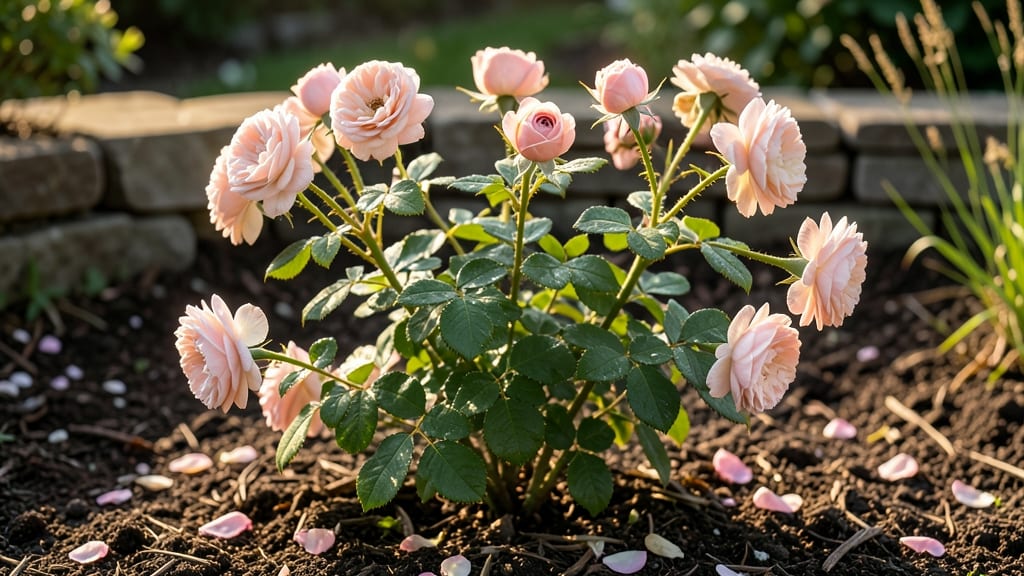
English rose bushes bring fragrance and romance to any garden, but their four-season care demands a different approach than hybrid teas or floribundas. 🌹 I’ve learned that their secret lies in understanding their unique growth habits—how they bloom on old wood, their love of cool roots, and why they resist black spot better than most roses.
The first rule? Rich, well-draining soil mixed with compost—English roses crave nutrients but hate soggy feet. Plant in full sun (6+ hours daily) with roots buried deeper than the graft union, and mulch heavily to protect those delicate canes from winter’s bite.
Pruning comes next, but timing matters: late winter for shaping, and light summer cleanups to encourage those lush, repeat blooms.
What you’ll end up with is a rose bush that rewards patience—velvety petals in shades of blush, cream, and deep crimson, each one perfumed with that classic English garden scent.
They bloom from early summer through fall, and with the right care, even put on a few winter flowers in mild climates. The payoff? A garden centerpiece that feels like stepping into a Jane Austen novel.
Works for cottage gardens, formal hedges, or even containers on patios—just adjust spacing and support for your space. Here’s how to keep them thriving through every season without the fuss of constant deadheading or chemical sprays.
📚 In This Guide
- What you need
- Instructions
- Tips and common mistakes
- Wrapping up and next steps
What you need
- ● English rose bushes: Choose disease-resistant varieties like ‘David Austin’ roses (e.g., ‘Gertrude Jekyll,’ ‘Abraham Darby’). Buy 3-5 healthy bare-root or potted plants for optimal spacing (3–4 ft apart).
- ● Well-draining soil: Mix 1 part compost (or aged manure) with 2 parts native soil. For heavy clay, add 1 part perlite or coarse sand.
- ● Organic fertilizer: 5-10-10 or rose-specific fertilizer (e.g., Espoma Rose-Tone). Use ¼ cup per plant at planting.
- ● Mulch: 2–3 inches of organic mulch (e.g., shredded bark, straw, or pine needles) to retain moisture and suppress weeds.
- ● Garden trowel or spade for digging holes.
- ● Pruning shears (sterilized with rubbing alcohol) for trimming.
- ● Watering can or hose with a gentle nozzle (roses hate soggy roots!).
- ○ Gloves (heavy-duty for thorns) and knee pads (optional but helpful!).
- ● Stakes or cages (5–6 ft tall) to support climbing varieties.
- ● Epsom salt (1 tbsp per plant monthly) for magnesium boost.
- ● Rose food spray (e.g., fish emulsion) for foliar feeding.
- ● Drip irrigation system to automate watering.
- ● Fungicide (e.g., neem oil) for preventive care.
Instructions for cultivating English rose bushes
Here's how to nurture these classic beauties into flourishing, fragrant centerpieces for your garden.
🌱 Step 1: Plant in Well-Draining Soil With Full Sun
English roses thrive in rich, well-draining soil with a pH between 6.0 and 7.0. Work in 3-4 inches of compost into the planting hole to give roots a nutrient boost. The hole should be twice as wide as the root ball but no deeper—planting too low suffocates the graft union, which weakens the bush over time.
Position your rose where it gets at least 6 hours of direct sunlight daily. Morning sun with afternoon shade works best in hot climates—too much midday heat stresses the blooms. Tap the root ball gently to settle soil around roots, then water deeply to eliminate air pockets. You'll see new growth within 2-3 weeks if planted at the right time.
☀️ Step 2: Water Deeply and Consistently
English roses need 1-2 inches of water weekly, but shallow watering encourages weak roots. Instead, water deeply once or twice a week, soaking the soil to 12 inches down. The best time to water is early morning—this prevents fungal diseases that thrive in damp foliage overnight.
Check soil moisture by sticking your finger 2 inches down. If it feels dry, it's time to water. Mulch with 2-3 inches of organic mulch (like shredded bark) to retain moisture and protect roots from temperature swings. Avoid letting water pool at the base—roses hate soggy feet.
✂️ Step 3: Prune for Shape and Health
Prune your English rose twice a year: late winter (just before new growth starts) and after flowering. Use clean, sharp pruners to make 45-degree cuts just above an outward-facing bud. Remove dead, diseased, or crossing branches first—they compete for energy and spread problems.
For hybrid teas, cut back to 5-7 buds per stem; for floribundas, leave 3-5 buds. You'll know you're doing it right when you see new shoots emerging within 3-4 weeks. Avoid heavy pruning in fall—it leaves the plant vulnerable to winter damage.
🌿 Step 4: Fertilize for Continuous Blooms
Feed your English rose with a balanced rose fertilizer (10-10-10 or similar) every 4-6 weeks during the growing season. Apply half the recommended dose in spring, then increase to full strength in summer. Organic options like fish emulsion or compost tea work well too—just follow package instructions.
Stop fertilizing 6-8 weeks before your first frost—new growth won't harden off properly. You'll notice darker green leaves and more buds when fertilization is on point. Pair feeding with regular deadheading (removing spent blooms) to encourage nonstop flowering all season.
Tips & tricks for cultivating English rose bushes
Real talk: These classic beauties reward patience with stunning blooms—but only if you nail the fundamentals. Here's how to avoid common pitfalls and get the most out of your seasonal care routine.
Soil Science: The pH range of 6.0-7.0 is non-negotiable for English roses, but don't stop at just testing—amend your soil with 3-4 inches of compost (as specified) and consider adding a handful of lime if your soil tests below 6.0. I've seen roses struggle in "good enough" soil, but they absolutely thrive when you give them this extra boost. The graft union needs proper drainage too—never plant deeper than the root ball, or you'll suffocate that critical junction.
Sunlight Strategy: That 6 hours of direct sunlight is your minimum, but here's what nobody tells you: In hot climates, morning sun with afternoon shade prevents leaf scorch. If you're planting in summer, temporarily shade new roses with 50% shade cloth for the first few weeks until they establish roots. You'll notice the difference in leaf health within just 2-3 weeks—the same timeframe you should see new growth appearing.
Pruning Precision: When you're making those 45-degree cuts in Step 3, here's my game-changer: Sterilize your pruners between cuts with rubbing alcohol to prevent spreading disease. And for hybrid teas, aim for 5-7 buds per stem—this creates that classic, elongated bloom shape. I always prune on a dry day when temperatures are above 50°F to minimize stress on the plant. The new shoots should appear within 3-4 weeks if you've done it right.
Fertilizer Timing: The 4-6 week feeding schedule works, but here's the secret: Pair each feeding with a ½-inch layer of compost worked into the soil. This mimics natural nutrient cycles and prevents fertilizer burn. And that 6-8 week pause before frost? Stick to it religiously—new growth won't harden off properly if you fertilize too late. You'll see the difference in next year's blooms when you follow this exact timing.
Pro Tips for English Rose Bushes
- Real talk: These classic beauties reward patience with stunning blooms—but only if you nail the fundamentals.
- I've seen roses struggle in "good enough" soil, but they absolutely thrive when you give them this extra boost.
- Sunlight Strategy: That 6 hours of direct sunlight is your minimum, but here's what nobody tells you: In hot climates, morning sun with afternoon shade prevents leaf scorch.
Frequently asked questions
Got questions about cultivating and caring for English rose bushes? You’re not alone! Here are some of the most common queries—plus expert answers to keep your roses thriving year-round.
When is the best time to plant English rose bushes?
Plant your English roses in early spring or early fall for the best results. This gives roots time to establish before extreme heat or cold sets in. Avoid planting in late summer or winter, as the shock of transplanting can stress the bush.
How often should I water my English rose bushes?
Water deeply 1-2 times per week, ensuring the soil is moist but not soggy (about 1-2 inches deep). Mulch around the base to retain moisture, and water more frequently during hot, dry spells. Avoid wetting the foliage to prevent fungal diseases like black spot.
Why are my English rose leaves turning yellow?
Yellow leaves often signal overwatering, nutrient deficiency, or fungal issues. Check the soil—if it’s waterlogged, improve drainage. For yellowing between veins, it may be iron deficiency (use chelated iron). If spots appear, prune affected leaves and treat with a fungicide.
Can I grow English roses in containers?
Yes! Choose a large container (at least 15 gallons) with drainage holes and use a well-draining potting mix. Dwarf or climbing varieties like ‘The Fairy’ thrive in pots. Move containers to partial shade in summer to prevent stress and water more frequently than in-ground roses.
What pests should I watch for with English rose bushes?
Keep an eye out for aphids, spider mites, and Japanese beetles. For mild infestations, spray with soapy water. For severe cases, use neem oil or insecticidal soap. Encourage beneficial insects like ladybugs by planting companion flowers like marigolds.
How do I protect English roses in winter?
In USDA Zones 6-8, mound soil or mulch around the base (up to the graft union) to insulate roots. Wrap canes loosely with burlap or rose cones to shield from wind. In colder zones, add extra mulch and consider row covers for added protection.
Wrapping up and next steps
English rose bushes bring timeless beauty to any garden, and with the right care, they’ll thrive for years to come! Remember, their success hinges on seasonal prep—pruning in late winter, feeding in spring, protecting from pests, and winterizing for cold snaps.
Whether you’re a newbie or a seasoned gardener, these four secrets will keep your roses lush, fragrant, and full of life.
Ready to transform your garden? Start small: pick one rose variety, gather your tools, and follow the steps we’ve shared. Before you know it, your yard will be a romantic retreat—one bloom at a time! 🌹✨