
Shrubs
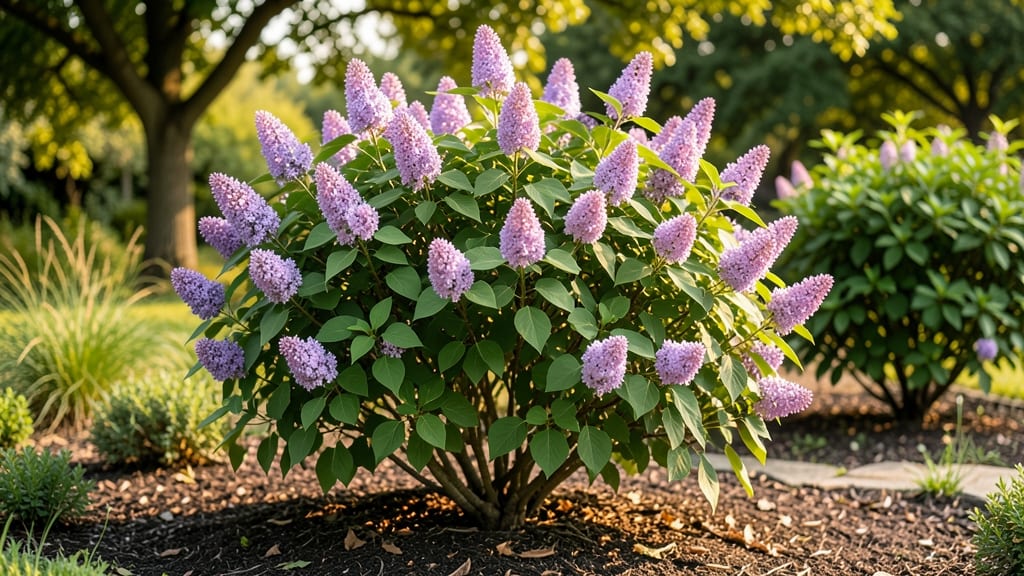
The lilac bush thrives in full sun or partial shade, but getting the light balance right is the key to those fragrant blooms you love.
Struggling to get your lilac bush to bloom as beautifully as you’ve seen in garden magazines? The secret often lies in understanding its light requirements—sun or shade can make all the difference in flower production and plant health.
In USDA Zone 6a, where lilacs are a staple, most varieties need at least 6 hours of sunlight daily to set buds. Too little light, and you’ll end up with sparse flowers or leggy growth. But too much harsh afternoon sun can scorch leaves, especially in hotter climates.
Below, I’ll break down the ideal light conditions, how to adjust care for shadier spots, and what to watch for when your lilac bush isn’t getting it just right.
 Best Window Placement
Optimal sunlight requirements for lilac bush blooms
If you've ever wondered why your lilac bush produces fewer blooms than expected, the answer likely lies in its sunlight exposure. Lilacs thrive in full sun but can adapt to partial shade—though this often comes with trade-offs in flower production and plant vigor.
Understanding how light affects photosynthesis and bloom triggers is key to unlocking your lilac's full potential.
Lilacs are sun-loving shrubs that naturally grow in temperate climates with long daylight hours. In their ideal environment, they receive 6-8 hours of direct sunlight daily, which maximizes chlorophyll production and energy storage for vibrant blooms.
However, in hotter regions, afternoon shade can prevent leaf scorch while still maintaining healthy growth.
The summary table below breaks down how different light conditions impact your lilac's growth rate, flowering intensity, and longevity. This will help you decide whether to plant in full sun, partial shade, or a mix of both.
| Light Condition | Daily Sunlight | Growth Rate | Flower Intensity | Longevity | Best For |
|---|---|---|---|---|---|
| Full Sun | 6-8+ hours | Fast, robust | Abundant, vibrant | Long-lived, healthy | Cooler climates |
| Partial Shade | 3-6 hours | Moderate, slower | Reduced, smaller | Shorter lifespan | Hot climates |
| Deep Shade | <2 hours | Very slow | Minimal, weak | Poor health | Avoid |
In full sun, lilacs produce larger, more fragrant blooms because sunlight triggers higher photosynthetic activity. This means more energy is stored in the roots and stems, leading to stronger stems and denser foliage.
For example, the common lilac (Syringa vulgaris) will burst into vibrant purple clusters when given its preferred 6-8 hours of direct light.
However, in hot climates like USDA Zone 8 or higher, afternoon sun can cause leaf burn. Here, morning sun with afternoon shade is ideal. This balance prevents heat stress while still providing enough light for moderate flowering.
For instance, in Arizona or Southern California, lilacs planted near west-facing walls with afternoon shade from deciduous trees thrive.
The science behind blooms is fascinating: lilacs are short-day plants, meaning they flower in response to daylength changes rather than temperature alone. However, they still need sufficient sunlight to photosynthesize and build energy reserves.
Without enough light, the plant diverts energy to leaf production instead of flower buds, resulting in sparse blooms.
If you're planting a dwarf lilac like 'Little Lila', it can tolerate partial shade better than standard varieties, but even these will produce fewer flowers in low-light conditions. For example, a dwarf lilac in a shady corner might only yield half the blooms of one in full sun.
To compensate, consider pruning lightly to redirect energy toward flowering.
For container-grown lilacs, place pots in the sunniest spot you can find, even if it's only 4-5 hours of sun. Rotate the pot every few weeks to ensure even light exposure and prevent leggy growth.
In urban settings with limited space, a south-facing balcony with reflective surfaces can maximize light exposure.
One common mistake is assuming partial shade means deep shade. Lilacs need at least 3-4 hours of direct light to survive, even if they're not in full sun.
For example, planting under a dense evergreen tree will stunt growth, while a light dappling from a deciduous tree is far more suitable. Always observe how light filters through the canopy before planting.
To maximize blooms, monitor your lilac's light exposure throughout the day. Use a light meter or simply observe how shadows move across the planting area.
If your lilac is in partial shade, consider thinning nearby trees or relocating the plant to a sunnier spot in early spring before new growth begins.
How to adjust care for lilac bushes in low-light areas
If your lilac bush is planted in a partial shade spot or you're dreaming of growing one indoors, don't worry—these beauties can still thrive with the right adjustments. While they prefer full sun, lilacs are surprisingly adaptable when you tweak their care routine to match their environment.
The key lies in understanding how to compensate for reduced sunlight with soil health, watering habits, and pruning strategies.
When growing lilacs in low-light conditions, focus first on improving the soil quality. These shrubs need nutrient-rich soil to make up for the lack of sunlight. Amend your garden bed with compost or well-rotted manure before planting, and consider adding a slow-release fertilizer in early spring.
For container-grown lilacs, use a high-quality potting mix with added perlite to ensure proper drainage.
💡 Low-Light Lilac Care Tip:
3 key adjustments: 1. Soil - Add compost and organic matter to boost nutrients.
- Water - Keep soil consistently moist (not soggy).
- Prune - Cut back dead wood in late winter to redirect energy to new growth.
Watering becomes even more critical in low-light conditions. Lilacs in shade require more frequent watering because their soil dries out slower. Aim for deep watering 2-3 times per week during the growing season, ensuring the top 6-12 inches of soil stays moist.
In containers, check moisture daily—potted plants dry out faster. Always water in the morning to prevent fungal issues from overnight moisture.
Pruning takes on extra importance for shade-grown lilacs. Since they can't photosynthesize as efficiently, you'll want to encourage stronger growth by removing weak or crossing branches in late winter or early spring.
Avoid heavy pruning in fall, as this can stress the plant before winter. For indoor lilacs, prune just above a leaf node to promote bushier growth and more blooms.
Choose companion plants that won't compete for light but will enhance your lilac's growth. Hostas, ferns, and heucheras thrive in shade and add texture to your garden. Avoid planting competitive species like maples or birches nearby, as their roots can steal nutrients.
For indoor setups, place your lilac near a south-facing window and pair it with low-light plants like peperomias or snake plants.
With these adjustments, your lilac bush can still produce fragrant blooms even in less-than-ideal light. Remember that patience is key—shade-grown lilacs may take 1-2 years longer to establish compared to sun-loving counterparts. The effort is worth it for that sweet spring fragrance and lush foliage! 🌸