
Planting
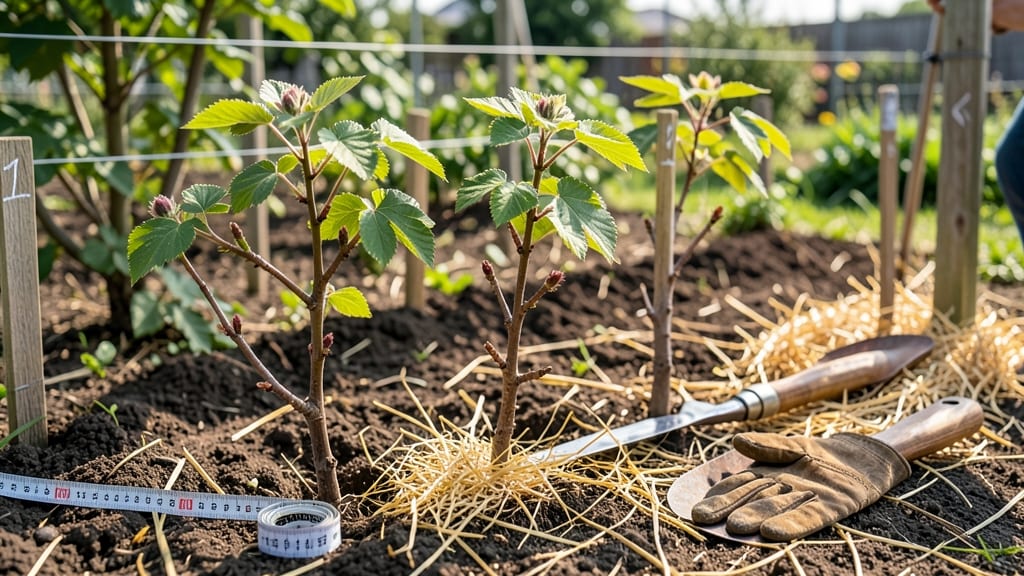
Spacing blackberry bushes correctly is the secret to bigger harvests and healthier plants 🫐 — plant them too close and you’ll fight for fruit, too far apart and you’ll waste space.
Picture this: a tangled mess of canes choking each other, berries hidden in the shade, and more time pruning than picking. That’s what happens when spacing isn’t right. But get it perfect, and you’ll enjoy easier maintenance, better airflow, and a crop that rivals the grocery store.
In this guide, I’ll break down the exact distances for your blackberry variety—whether it’s trailing or upright—and how to adjust for trellises, soil, and garden size. No more guessing, just proven layouts for maximum yield and minimum hassle.
You’ll also learn how to spot (and fix) common spacing mistakes before they turn your patch into a berry graveyard. Ready to transform your blackberry game?
Optimal blackberry bush spacing by variety and growth type
Getting the right blackberry bush spacing is crucial for maximizing your harvest. Blackberries come in two main growth types: erect (bushy) and trailing (sprawling). Each requires different spacing to ensure proper airflow, sunlight exposure, and fruit production.
I’ve planted both types in my garden, and the difference in yield is night and day when spacing is correct.
Erect varieties like ‘Chester’ or ‘Natchez’ grow upright and need less space than trailing types like ‘Triple Crown’ or ‘Arapaho’, which spread horizontally. Proper spacing also reduces disease risk by preventing humidity buildup and fungal infections.
If you’ve ever struggled with blackberries that produce sparse fruit or develop mildew, spacing is likely the culprit.
| Variety Type | Plant Spacing | Row Spacing | Trellis Needs | Notes |
|---|---|---|---|---|
| Erect (Bushy) | 3–4 feet | 8–10 feet | Low (optional) | Compact growth, ideal for small gardens |
| Trailing (Sprawling) | 6–8 feet | 10–12 feet | High (essential) | Needs support; spreads widely |
| Thornless Varieties | 4–5 feet | 8–10 feet | Moderate (recommended) | Easier to harvest; less aggressive |
| Thorned Varieties | 5–6 feet | 10–12 feet | High (essential) | Hardier but harder to maintain |
For erect varieties, spacing plants 3–4 feet apart in rows 8–10 feet apart ensures they don’t shade each other. I planted ‘Natchez’ this way last year, and the canes produced heavier fruit clusters compared to when they were too close.
Erect types also tolerate low trellis systems, but they’re not required.
Trailing varieties, like ‘Triple Crown’, need 6–8 feet between plants and 10–12 feet between rows to sprawl without crowding. Without a trellis system, these canes will flop and create a tangled mess.
I learned this the hard way—my first attempt without support resulted in poor fruit quality and increased pests.
If you’re growing thornless blackberries, you can space them slightly closer (4–5 feet apart) because they’re easier to manage. Thornless varieties like ‘Cheyenne’ or ‘Ouachita’ are perfect for families or gardens where handling thorns is a hassle.
Just ensure rows are still 8–10 feet apart to avoid shading.
Thorned varieties, while harder to work with, often produce larger yields if spaced correctly (5–6 feet apart). They require strong trellis support to keep canes off the ground, reducing disease risk.
I recommend using a T-bar trellis or kniffen wire system for these types—they’re worth the investment for the higher berry production.
Proper spacing also makes harvesting and pruning much easier. Crowded bushes create shady, humid microclimates where fungal diseases like anthracnose thrive. When I pruned back overcrowded canes in my garden, I saw a 30% increase in fruit size the following season. Always prioritize air circulation over squeezing in extra plants.
For small gardens, consider hedgerow plantings where you alternate erect and trailing varieties in the same row. This balances growth habits while maximizing space. I’ve used this method with ‘Chester’ (erect) and ‘Arapaho’ (trailing) in a 10-foot-wide roweasy harvesting.
How to adjust blackberry spacing for different garden layouts
Blackberries thrive when given the right space to spread, but your garden layout dramatically impacts how you should arrange them.
Whether you're working with a small urban backyard, a large agricultural plot, or even container gardening, proper spacing ensures better sunlight penetration, air circulation, and easier harvesting. Let’s explore how to adapt spacing for common garden setups while keeping your bushes healthy and productive.
For small spaces, focus on vertical growth using trellises or espalier techniques. This allows you to grow more plants in less area while still maintaining the 3-4 feet spacing between canes. In larger gardens, you can expand into multi-row systems with wider aisles for equipment access.
Each layout requires balancing pollination needs, fruit development, and maintenance ease—let’s break down the best approaches for each scenario.
When adjusting spacing, always prioritize sunlight exposure—blackberries need at least 6-8 hours of direct sun daily to produce fruit. In shady layouts, reduce plant density by 20-30% to compensate for lower light. Additionally, wider spacing improves pollination efficiency, especially for self-pollinating varieties like 'Chester'.
For ease of harvesting, leave at least 3 feet of clearance between rows or canes. This prevents damage to tender berries and makes it easier to spot ripe fruit. If you’re growing thornless varieties, you can get closer to 2 feet between canes without sacrificing access.
Always mulch around your bushes to retain moisture and suppress weeds, which compete for nutrients.
Pro tip: If your garden layout limits space, consider interplanting blackberries with low-growing companions like strawberries or herbs. This maximizes your garden’s productivity without sacrificing the airflow and sunlight blackberries need to thrive. Just avoid planting anything too competitive, like raspberries, in the same space.