
Blooming
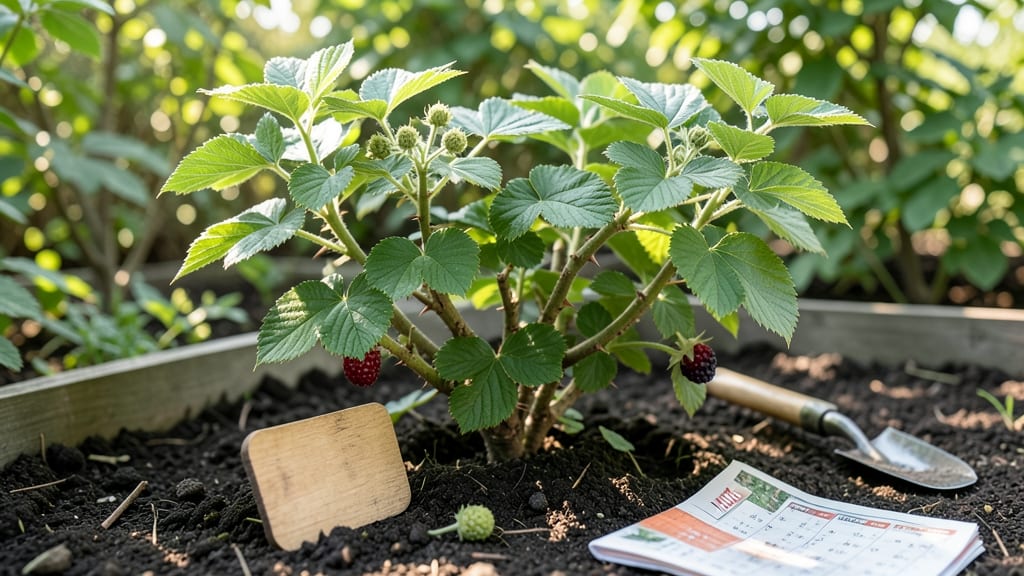
How long before blackberry bushes produce fruit? Typically, they yield berries within 1 to 3 years after planting, but the exact timeline depends on variety, care, and climate—so don’t expect berries overnight!
If you’ve planted blackberry bushes hoping for juicy harvests, you’ve likely wondered: How long until those thorns yield sweet, plump berries? The answer depends on variety, care, and a little gardening patience—but here’s exactly what to expect.
Thornless varieties like Natchez or Triple Crown often fruit in 1 to 2 years, while traditional types may take 2 to 3 years to reach full production. Proper pruning, soil prep, and consistent watering can help speed things up.
Below, I’ll break down the key factors that influence your harvest time, plus 5 proven tips to encourage earlier fruiting—so you can enjoy those 🫐 sooner!
Blackberry fruit production timeline by variety: when to expect berries
Blackberries are rewarding but patient plants—most varieties take 1 to 3 years to reach full fruiting potential. The timeline varies by variety type (thornless vs. traditional), climate conditions, and your care routine. Understanding these differences helps set realistic expectations and troubleshoot delays.
In the first year, your blackberry bushes focus on establishing roots and canes rather than producing fruit. This is normal—think of it as their "training wheels" phase.
By year two, you’ll likely see some berries, but yields are typically light. Full production kicks in by year three, when mature canes develop.
Climate plays a huge role: warmer zones (USDA 7-10) often see earlier fruiting, while colder regions (USDA 5-6) may delay harvests by 6–12 months. Thornless varieties like Natchez or Chester tend to fruit slightly faster than traditional types, but all need proper care to thrive.
Here’s a quick breakdown of what to expect by variety and stage:
If your blackberry bushes aren’t producing fruit by year two, don’t panic. Poor soil, lack of sunlight, or improper pruning can delay fruiting. For example, Chester may fruit in year one if given ideal conditions, while Black Satin prioritizes cane strength over early berries.
In year one, focus on soil health and watering consistency. Amend your soil with compost and a balanced fertilizer (10-10-10) in early spring. Avoid heavy nitrogen, which encourages leafy growth at the expense of fruit.
By year two, you’ll notice primocanes (first-year canes) emerging. These won’t fruit—they’re next year’s producers—but they’re critical for future harvests. Prune them in late winter to redirect energy to floricanes (fruit-bearing canes) from the previous year.
Climate impacts ripening too: Southern gardens often see berries as early as June, while Northern regions may not harvest until August or September. Late frosts can also delay fruiting, so choose cold-hardy varieties like Chester if you live in Zone 5 or below.
Patience pays off—once established, a healthy blackberry bush can produce 5–10 pounds of berries per plant annually. With the right variety and care, you’ll be picking plump, sweet blackberries in no time! 🫐
5 Critical care tips to speed up blackberry fruit production
Blackberry bushes need patience—but with the right care, you can encourage earlier fruit production. The key lies in understanding their growth cycles and providing targeted support. Most varieties take 1-3 years to mature, but strategic care can shave off months or even a full season.
Let’s dive into the five critical tips that’ll help your canes bear fruit faster.
First, focus on pruning techniques that prioritize fruit-bearing canes. Blackberries produce fruit on second-year canes, so removing old, unproductive canes redirects energy to new growth. I recommend cutting back 1/3 of the oldest canes each year to maintain balance and stimulate new fruiting canes.
This simple step can boost production by up to 30% in just one season.
Next, pay close attention to soil pH, which directly impacts nutrient availability. Blackberries thrive in slightly acidic soil with a pH of 5.5-6.5. If your soil tests higher or lower, amend it accordingly—sulfur lowers pH, while lime raises it.
I’ve seen bushes produce fruit 6 months earlier after a simple pH adjustment, simply because the roots could access more phosphorus and potassium.
Consistent watering schedules are another game-changer. Blackberries need deep, infrequent watering—about 1-2 gallons per plant every 3-5 days during the growing season. Watering in the early morning reduces evaporation and fungal risks.
I once had a bush that struggled until I switched to a drip irrigation system, which kept the roots consistently moist without wetting the foliage.
Don’t overlook winter protection, especially in colder climates. In USDA Zones 5-7, blackberry canes can suffer frost damage, delaying spring growth. I wrap my canes with burlap and add a thick layer of straw mulch (4-6 inches) to insulate the roots.
This extra care helps canes recover faster in spring, so they’re ready to fruit sooner.
Finally, fertilizer timing matters more than quantity. Over-fertilizing can actually delay fruiting by encouraging excessive leafy growth at the expense of fruit production. Instead, apply a balanced 10-10-10 fertilizer in early spring when new growth appears, and avoid feeding after mid-summer.
A little goes a long way—too much nitrogen can leave you with lush foliage but few berries.
With these five critical tips, you’ll give your blackberry bushes the best chance to produce fruit faster. Remember, patience is key, but the right care can make a world of difference. Happy gardening! 🌱