
Diseases
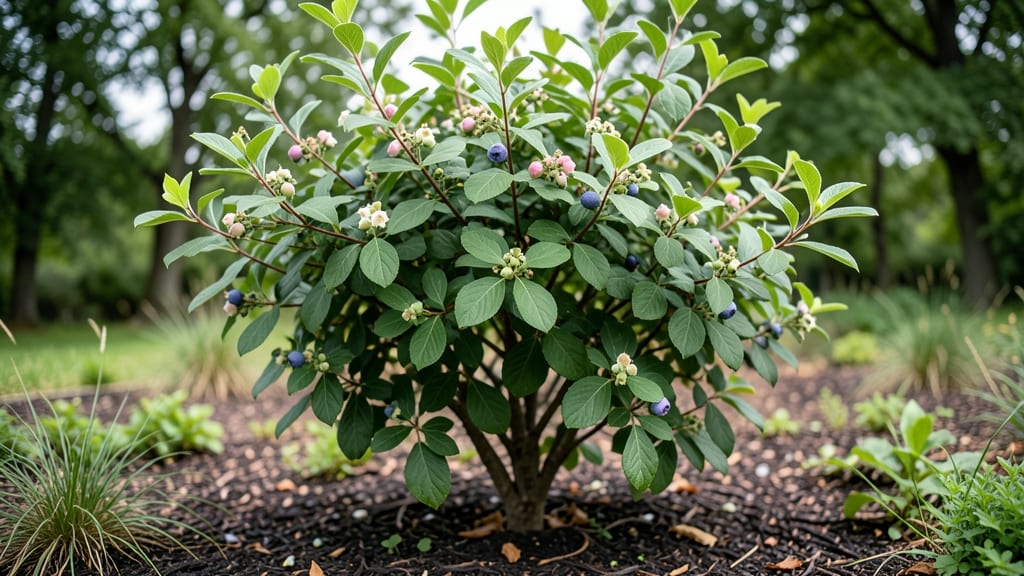
Blueberry bush diseases with pictures can turn your lush shrubs into a sad, spotted mess—unless you catch them early. 🌿 I’ve seen mummy berry turn perfect fruit into mummified husks, and botrytis blight turn blossoms into gray mush overnight. The key? Spotting symptoms before they spread, and knowing exactly what to do when you see them.
Most fungal diseases start with water—too much rain, overhead sprinklers, or poor airflow. That’s why prevention isn’t just about sprays; it’s about spacing plants right, pruning for airflow, and choosing disease-resistant varieties.
My bushes stayed healthy after I swapped drip irrigation for soaker hoses and thinned the canopy. Small changes make a huge difference.
You’ll learn to recognize the 10 most common fungal issues by their telltale signs—dark spots on leaves, powdery coatings, or shriveled berries. With the right mix of organic sprays (like neem oil or copper fungicide) and cultural fixes, you can stop outbreaks before they ruin your harvest.
No more guessing what’s wrong or watching your bushes decline.
This guide includes visual cues to help you diagnose issues fast, plus step-by-step fixes for each problem. Whether you’re dealing with leaf spot, twig blight, or powdery mildew, you’ll know exactly what to do—and when to call in reinforcements. Let’s get those bushes thriving again.
Root Causes of Blueberry Blight
Blueberry bushes, with their delicate blooms and sweet berries, can fall victim to a variety of fungal diseases—often due to factors within your control. Understanding why these issues arise is the first step to preventing them.
Below, we break down the key culprits behind blueberry bush diseases, from environmental stressors to cultural mistakes, with science-backed explanations.
Fungal pathogens thrive in warm, damp conditions, making temperature and humidity the #1 reason blueberry bushes develop diseases like mummy berry or botrytis blight. Here’s why:
- Nighttime dew and high humidity: Fungal spores (like those from Botrytis cinerea) germinate best when moisture lingers on leaves and fruit for 12+ hours. Blueberries need 60-70% humidity to set fruit, but prolonged dampness creates the perfect breeding ground for pathogens.
- Inconsistent temperature swings: Sudden drops (below 50°F) or spikes (above 85°F) weaken the bush’s defenses. Anthracnose, for example, flourishes when daytime temps hit 75°F+ but nights dip below 60°F, shocking the plant’s immune response.
- Winter freeze-thaw cycles: Alternating freeze-and-thaw events crack bark and open wounds, inviting Phomopsis twig blight to infect vulnerable stems. 💡 Pro Tip: Mulch with straw or wood chips to insulate roots and stabilize soil temps.
Water is essential, but how you deliver it makes all the difference. Fungal diseases like powdery mildew and leaf spot spread rapidly when water splashes spores onto leaves or fruit. Here’s the science:
- Splash dispersal: Overhead irrigation or rain can fling Colletotrichum spores (causing fruit rot) from soil to plant surfaces. Studies show 90% of fungal spores travel this way in wet conditions.
- Waterlogged soil: Blueberries hate soggy roots. Poor drainage raises soil pH (ideal pH: 4.5–5.5) and creates anaerobic zones where Phytophthora (a water mold) thrives. Roots suffocate, weakening the bush’s ability to fight off diseases.
- Wet foliage at night: Fungal spores germinate fastest in darkness when leaves stay damp. Botrytis can infect flowers within 24 hours of prolonged moisture.
🔥 Fix It: Use drip irrigation or soaker hoses to water at the base, and avoid late-day watering. Raise beds or amend soil with sand/perlite for better drainage.
Fungal diseases don’t appear out of nowhere—they’re often already in your garden, waiting for the right conditions. Here’s how spores build up:
- Infected plant debris: Old leaves, mummified berries, or diseased twigs harbor mummy berry spores (Monilinia), which can survive 5+ years in soil. When spring rains hit, spores shoot out like tiny cannons to infect new growth.
- Wild hosts nearby: Weeds like blackberry or raspberry can harbor Phomopsis or anthracnose spores, cross-contaminating your blueberries. 🌡️ Fact: A single infected wild bramble can release millions of spores per season.
- Tool contamination: Pruners, rakes, or even gloves can transfer spores from one plant to another. Botrytis spores stick to tools like glue, spreading to healthy bushes.
✨ Prevention Hack: Clean tools with 70% isopropyl alcohol between bushes, and remove all plant debris in fall (don’t compost it!).
A blueberry bush under stress is like an open invitation for fungi. Nutrient deficiencies or excesses throw off its defenses:
- Nitrogen overload: Too much nitrogen (N) promotes soft, lush growth—but at the cost of thicker cuticles and disease resistance. Excess N also attracts sap-sucking pests (like aphids), which excrete honeydew, a buffet for sooty mold.
- Potassium (K) deficiency: Potassium strengthens cell walls. Without enough, blueberries become more susceptible to osmotic stress (e.g., fruit rot), as cells struggle to regulate water uptake.
- Iron/chlorosis issues: Yellowing leaves (from high pH or poor iron) weaken the bush’s photosynthetic efficiency, leaving it energy-starved and vulnerable to leaf spot.
🎯 Action Step: Test soil pH (4.5–5.5 for blueberries) and amend with peat moss or sulfur if needed. Use a balanced fertilizer (10-10-10) and avoid synthetic N spikes.
Some pests don’t just damage blueberries—they spread fungal diseases like a silent army. Here’s how:
- Aphids and mites: These sap-suckers inject toxins that weaken leaves, making them prime targets for powdery mildew. Their honeydew also feeds sooty mold (Capnodium).
- Birds and mammals: Animals eating infected berries (e.g., mummified fruit) can dispersal spores via droppings or scratched bark, introducing Phomopsis to new areas.
- Nematodes: Microscopic worms in the soil damage roots, creating entry points for Phytophthora. Infested bushes show stunted growth and yellowing leaves—classic signs of stress.
🔪 Solution: Use neem oil for pests and beneficial nematodes (e.g., Steinernema) to combat soil-dwelling enemies.
Quick Fixes for Blueberry Bush Woes
Once you’ve identified the issue plaguing your blueberry bushes, it’s time to roll up your sleeves and get to work! 🌱🛠️ The good news? Most fungal diseases and pests can be managed with the right approach—often before they spiral out of control.
Below, we’ve mapped out practical, step-by-step solutions for each common problem, plus prevention tips to keep your bushes thriving long-term.
---
#### 1. Botrytis Blight (Gray Mold) 🌫️ Fix it fast: - Remove infected parts immediately 🔪: Snip off moldy berries, leaves, or stems with clean pruners and dispose of them in the trash (not compost). - Improve airflow 🌬️: Thin out dense foliage to reduce humidity.
Space bushes 3–4 feet apart. - Apply fungicide 🛡️: Spray with a copper-based fungicide or baking soda mix (1 tbsp baking soda + 1 tsp dish soap + 1 gallon water) every 7–10 days during wet seasons. - Water at the base 💧: Avoid overhead watering, especially in the evening.
Prevent it: ✅ Sanitize tools between cuts with rubbing alcohol. ✅ Mulch lightly (2–3 inches) to prevent soil splashing onto leaves.
---
#### 2.
Powdery Mildew (White Dust) ❄️ Fix it fast: - Prune for sunlight ☀️: Remove shaded, overcrowded branches to boost airflow. - Spray with neem oil or sulfur 🌿: Mix 1 tbsp neem oil + 1 tsp mild soap per gallon of water and apply every 5–7 days. Avoid sulfur if temps exceed 90°F. - Wipe leaves 🧼: Use a damp cloth to gently clean affected areas (do this in the morning so leaves dry quickly).
Prevent it: 💡 Plant mildew-resistant varieties like ‘Duke’ or ‘Jersey’. 💡 Water deeply but infrequently—drought-stressed plants are more susceptible.
---
#### 3.
Anthracnose (Dark Spots) 🎨 Fix it fast: - Rake up fallen leaves 🍂: Remove debris from the base of the bush to eliminate spores. - Apply fungicide early 🛡️: Use chlorothalonil or fixed copper spray before symptoms appear (spring is key!). - Thin fruit clusters 🍇: Overcrowded berries trap moisture—space them out for better drying.
Prevent it: ✨ Plant in full sun (6+ hours daily) to reduce humidity. ✨ Avoid overhead irrigation—use drip lines instead.
---
#### 4. Root Rot (Mushy Stems) 🍄 Fix it fast: - Stop watering immediately 🚰: Let the soil dry out completely before resuming. - Improve drainage 🏗️: Amend soil with compost or perlite if it’s heavy clay.
Consider raised beds. - Repot or transplant 🌱: If the bush is severely affected, dig it up, trim rotted roots, and replant in fresh, well-draining soil.
Prevent it: 🌡️ Test soil pH (ideal: 4.5–5.5) and adjust with sulfur if needed. 🌡️ Use containers with drainage holes if growing in pots.
---
#### 5.
Blueberry Maggot (Wormy Berries) 🐛 Fix it fast: - Pick and destroy infested fruit 🍒: Drop maggoty berries in soapy water to kill larvae. - Use yellow sticky traps 🎣: Hang them near bushes to catch adult flies (replace weekly). - Apply spinosad spray 🛡️: A natural bacterial pesticide (follow label rates).
Prevent it: 🎯 Harvest promptly—don’t let berries overripe on the bush. 🎯 Net bushes with fine mesh during peak fly season (late summer).
---
#### 6.
Spider Mites (Tiny Webs) 🕷️ Fix it fast: - Blast off mites 💦: Spray bushes with a strong jet of water to dislodge them. - Introduce predator mites 🐞: Release Phytoseiulus persimilis (sold online) to eat mites naturally. - Apply horticultural oil 🛡️: Spray in the evening to smother mites (reapply every 5–7 days).
Prevent it: 💡 Keep bushes well-watered—mites thrive in drought. 💡 Encourage ladybugs by planting nearby flowers like dill or marigolds.
---
- Fertilize wisely 🌱: Use an acid-loving plant fertilizer (like cottonseed meal) in early spring. - Monitor regularly 👀: Check undersides of leaves and new growth weekly for early signs. - Rotate treatments 🔄: Avoid using the same fungicide/pesticide repeatedly to prevent resistance.
--- Pro Tip: 🌡️ Timing is everything! Treat diseases preventively in early spring (before symptoms appear) for the best results. And always clean up in fall—remove all debris to break the disease cycle.
With these fixes, your blueberry bushes will bounce back healthier than ever! 💙🍇
Frequently asked questions
How can I tell if my blueberry bush has a fungal disease just by looking at it?
Check for these key visual clues: dark spots on leaves (leaf spot), gray fuzzy patches on berries or flowers (botrytis), or white powdery coatings (mildew). Look on the undersides of leaves too—many fungal spores hide there. Compare what you see to the disease pictures in this guide to narrow it down.
Can I use the same fungicide spray for all blueberry diseases?
No—different diseases need different treatments. Copper fungicides work for botrytis and anthracnose, while neem oil handles powdery mildew better. Always read the label and match the active ingredient to your specific problem. For severe cases, rotate between copper and sulfur-based sprays to prevent resistance.
What's the best time of day to spray fungicide on my blueberry bushes?
Spray in the early morning when humidity is high but before temperatures rise above 75°F. This gives the fungicide time to dry before evening dew forms. Avoid spraying at night—moisture lingers longer, making fungi more likely to take hold. Water the soil first to prevent leaf burn from chemical buildup.
Will removing infected leaves and berries really stop the disease from spreading?
Removing infected plant parts eliminates the food source for fungal spores and prevents them from producing more spores. Bag the debris and throw it in the trash (don't compost it)—spores can survive in compost piles. For ground covers, lay down cardboard or black plastic for 4-6 weeks to kill any lingering spores before replanting.
How do I know if my blueberry bush is suffering from a disease or just nutrient deficiency?
Diseases show irregular patterns (like spots or patches), while deficiencies cause uniform discoloration (e.g., yellowing between veins = iron deficiency). Check the stems too—diseases often cause cankers or oozing sap, while deficiencies won't. Test your soil pH (should be 4.5-5.5) and compare symptoms to the pictures in this guide.