
Pruning
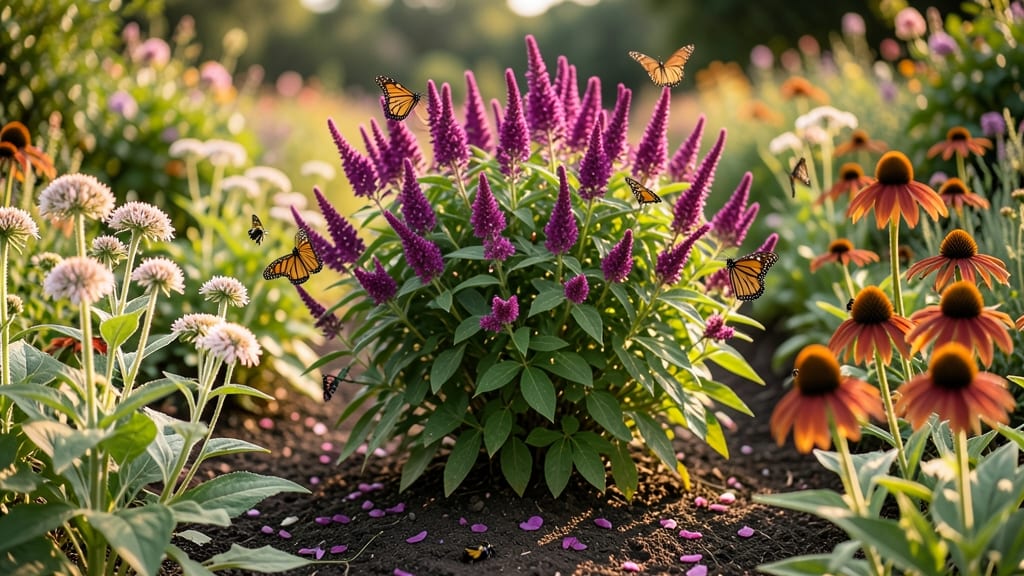
Transform your garden into a pollinator paradise with these 10 butterfly bush border designs. Each layered planting combines butterfly magnet plants with seasonal blooms to create year-round beauty while supporting local ecosystems.
Sunny Prairie Butterfly Border
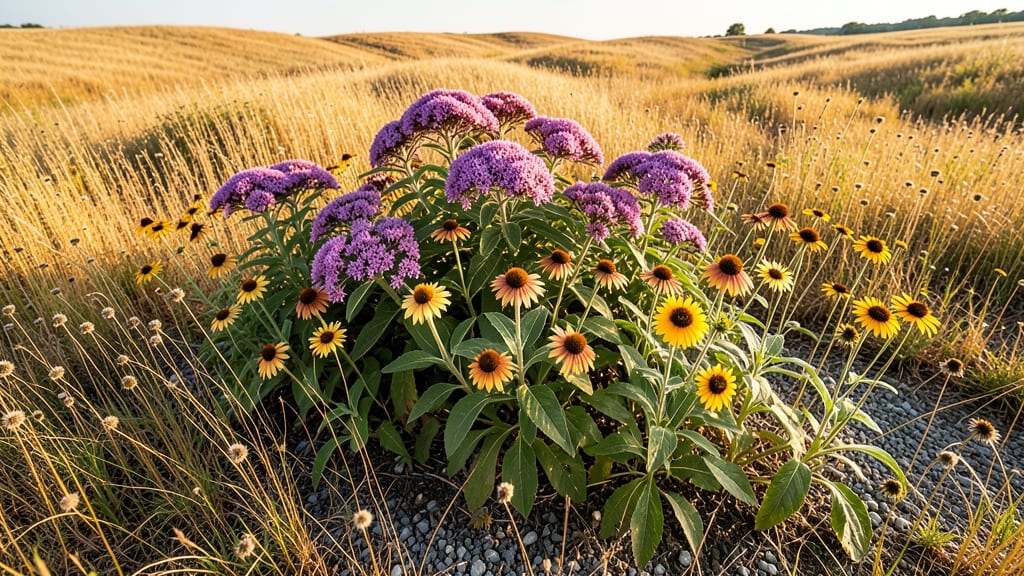
Turn your hot, sunny garden into a buzzing butterfly hotspot with this effortless golden meadow border. The secret? Pairing butterfly bush (Buddleia) with drought-tolerant coneflowers and black-eyed Susans for a low-maintenance, high-impact display that thrives in full sun and heat.
Start with 3-4 butterfly bushes as your border's backbone—their fragrant spikes bloom from summer through fall, drawing monarchs and swallowtails. Tuck coneflowers (Echinacea) in front for their long-lasting purple blooms and deep roots that prevent erosion. Add black-eyed Susans (Rudbeckia) for their cheerful yellow flowers that attract bees and provide late-season nectar. Space plants 18-24 inches apart for a natural, meadow-like look.
This border is perfect for beginner gardeners or anyone with a sunny yard—it requires minimal water once established and looks stunning with tall grasses or sedum for texture. Watch your garden transform into a pollinator paradise! 🌻
Woodland Edge Pollinator Layer
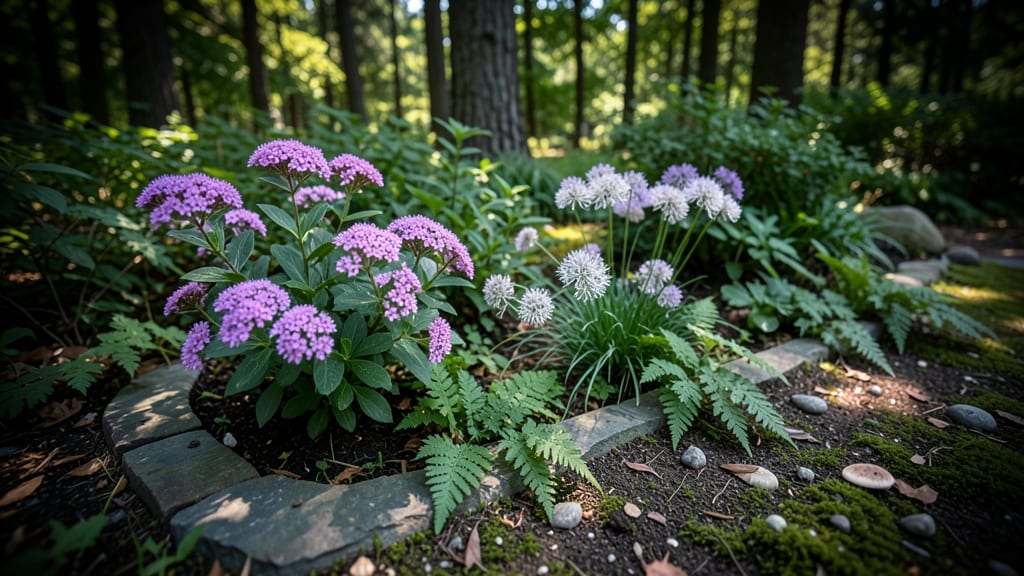
Not all gardens bask in full sun—this woodland edge pollinator layer transforms shady borders into thriving habitats where migrating butterflies rest and refuel. The secret? Pairing dwarf butterfly bush (like 'Lo & Behold' or 'Miss Ruby') with astilbes and ferns to create a textured, low-maintenance edge that flourishes under tree canopies.
Start by planting dwarf butterfly bush (2-3 feet tall) at 3-4 foot intervals along the border, then tuck astilbes (for their feathery plumes) and ferns (like maidenhair or ostrich) in front for soft contrast. This trio thrives in partial shade to dappled light, with moist but well-drained soil—ideal for woodland gardens or the north side of fences. The ferns add lush green structure, while astilbes provide late-summer blooms that butterflies adore.
Perfect for gardeners with shady spots who still want to support pollinators, this layer requires minimal pruning and no deadheading. It’s also a great choice for urban gardens with mature trees, offering both beauty and ecological benefits without competing for sunlight. 🌿
Cottage Garden Butterfly Haven
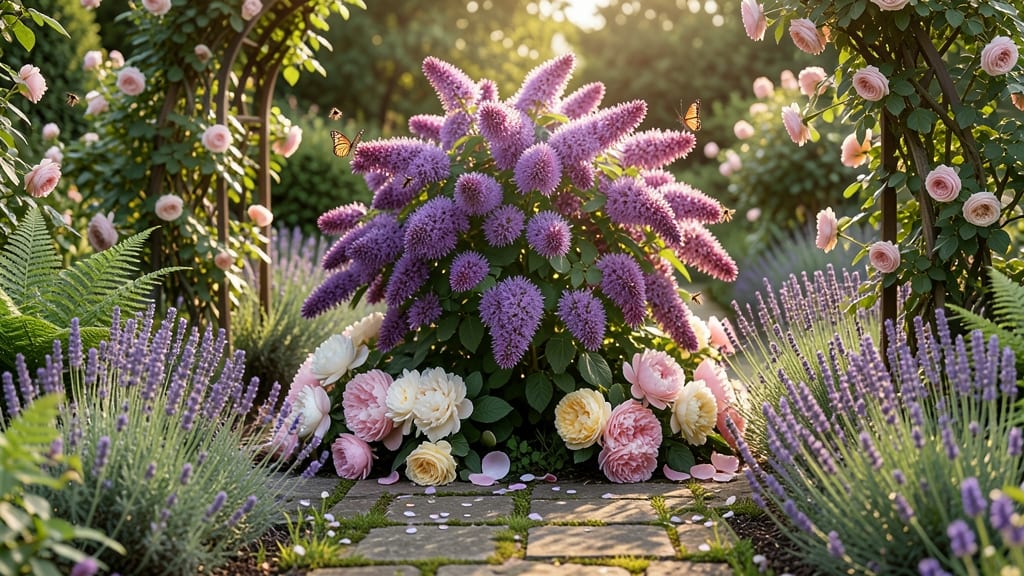
Step into a storybook garden where butterfly bush takes center stage alongside lavender and peonies, creating a fragrant, fluttering paradise that blooms from early summer through fall. This timeless cottage garden combo delivers both old-world charm and modern pollinator support—ideal for gardeners who love romance with a purpose.
Plant butterfly bush varieties like 'Lo & Behold' (compact) or 'Miss Ruby' (deep purple) as your structural backbone, spacing them 4-6 feet apart. Tuck lavender ('Munstead' or 'Hidcote') in front for its silvery foliage and intoxicating scent, while peonies ('Sarah Bernhardt' or 'Bowl of Beauty') add lush, dinner-plate blooms that butterflies adore. All three thrive in full sun to partial shade and well-drained soil—perfect for traditional garden beds.
This design is especially magical for gardeners who want low-maintenance elegance with high pollinator impact. The layered heights create visual interest, while the scent and color combo keeps your garden buzzing with life all season. 🌷
Modern Pollinator Perimeter
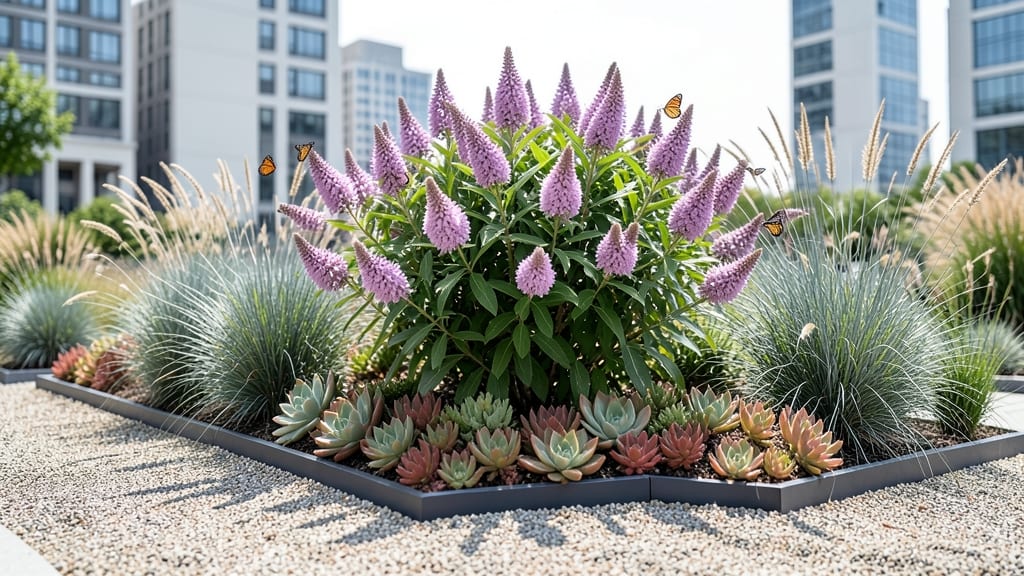
Tired of high-maintenance borders that still look cluttered? A modern pollinator perimeter brings clean lines and contemporary flair while keeping butterflies buzzing. This sleek design combines butterfly bush with ornamental grasses and sedums for a low-fuss, high-impact look perfect for urban spaces or minimalist landscapes.
Plant butterfly bush as your structural backbone, choosing compact varieties like 'Lo & Behold' for tight spaces. Pair it with silver-blue sedums like 'Dragon's Blood' for drought tolerance and striking foliage, and add upright ornamental grasses (such as Miscanthus 'Gracillimus') for movement and texture. This trio thrives in full sun to partial shade and requires only seasonal pruning—no deadheading or constant trimming.
Best for city gardeners or those with modern aesthetics, this border delivers year-round interest with minimal effort. The grasses add winter structure, sedums provide late-season nectar, and butterfly bush keeps pollinators visiting all summer. 🌟
Wildflower Meadow Transition
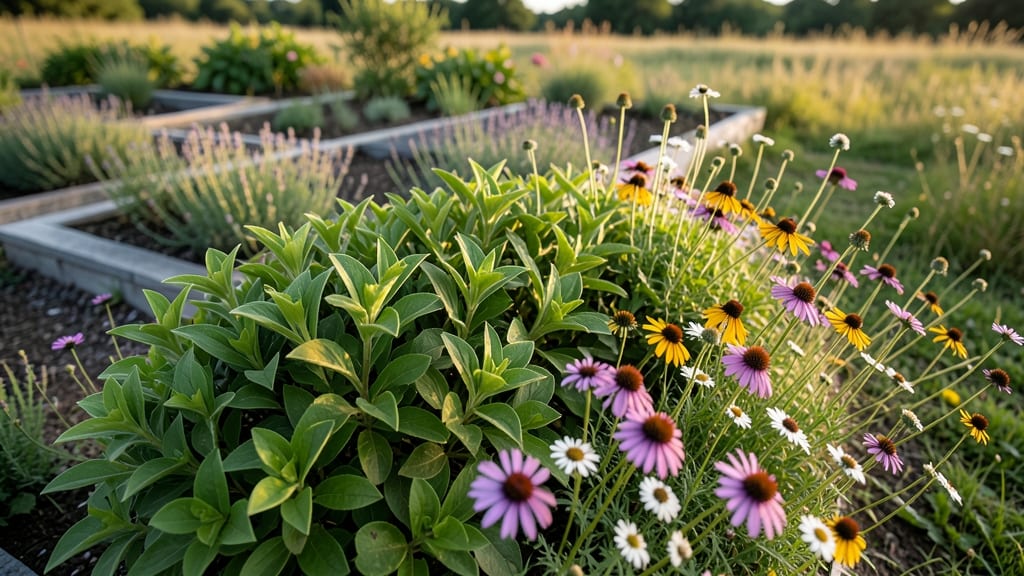
Want to merge your structured garden with a wild meadow without losing control? Use butterfly bush as your secret bridge—its lush foliage softens the transition while keeping your space intentional.
Plant a 3-foot-wide band of butterfly bush along the garden's edge, then let native wildflowers like goldenrod and aster spill beyond it. The butterfly bush's late-summer blooms seamlessly connect to the meadow's fall wildflowers, creating a year-round pollinator highway. Choose drought-tolerant varieties like 'Lo & Behold' for easy care.
This design works best for gardeners who love structure but crave wild beauty—ideal for large properties or eco-conscious landscapes. Your pollinators will thank you with visits well into October! 🌻
Butterfly Bush and Roses Border
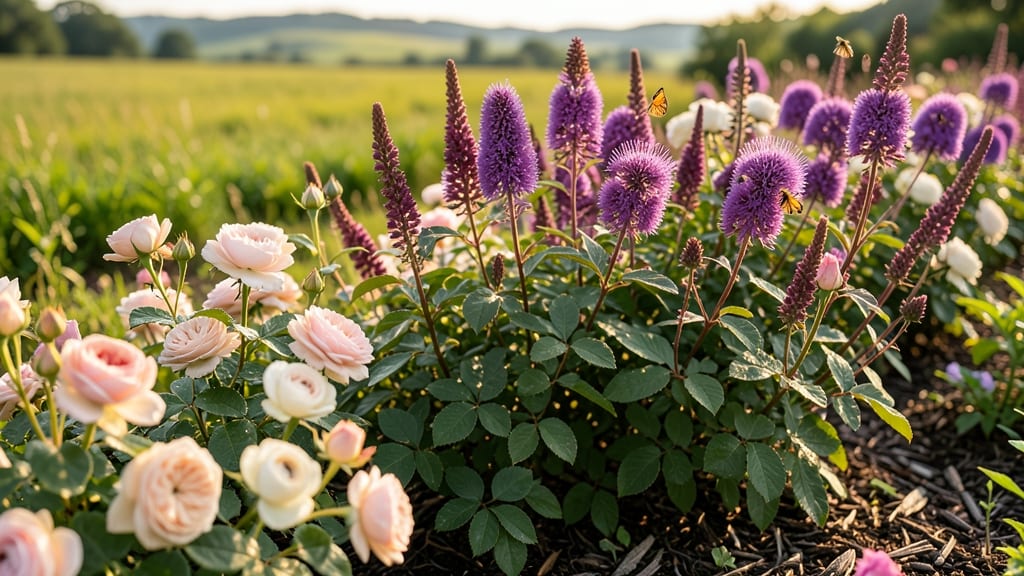
Want a garden that blooms from spring until late summer without gaps? A butterfly bush and roses border delivers a seamless transition—roses kick off the show in early spring, while butterfly bush takes over as they fade, ensuring your garden stays vibrant and buzzing with pollinators.
Plant disease-resistant roses like 'Knock Out' or 'Dr. Huey' near the front, where they’ll catch morning sun and provide early nectar. Place butterfly bush (like 'Lo & Behold' or 'Miss Ruby') behind them for height and late-summer blooms. Space roses 2-3 feet apart and butterfly bushes 4-6 feet apart for airflow. Prune roses in late winter and butterfly bushes right after flowering to encourage dense growth.
This border is ideal for traditional gardeners who love structure but still want pollinator support. The roses add fragrance and elegance, while butterfly bushes attract monarchs and swallowtails—making it a win for both aesthetics and ecology. ✨
Dwarf Butterfly Bush Foundation
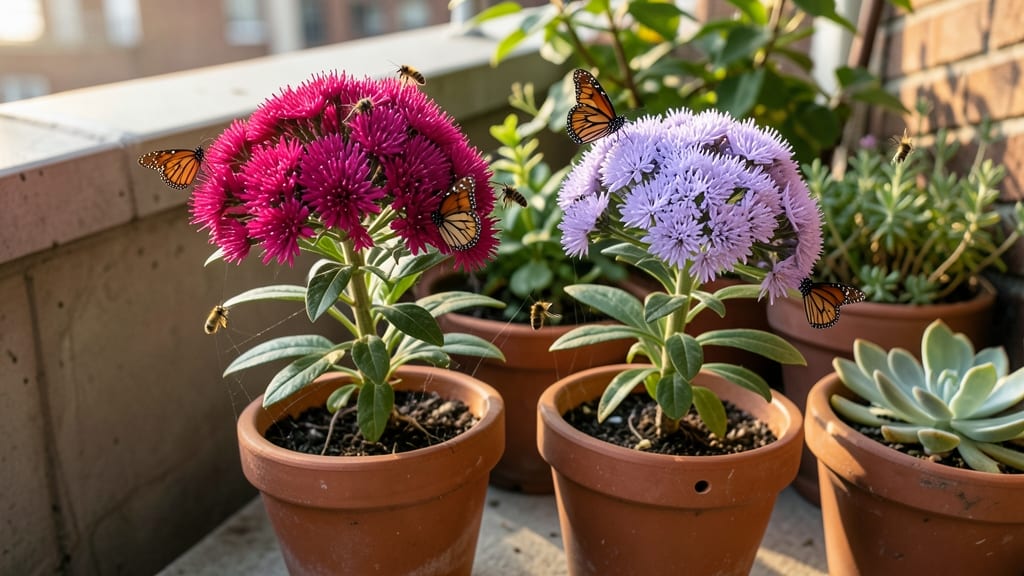
Turn your tiny balcony or postage-stamp garden into a buzzing pollinator hotspot with dwarf butterfly bush varieties like 'Lo & Behold' or 'Miss Ruby'. These compact shrubs grow just 2-3 feet tall, making them perfect for containers or narrow borders while still packing the same butterfly magnet punch as their taller cousins.
Pair them with annuals like salvia or marigolds for continuous blooms—swap out faded annuals every 6-8 weeks to keep color fresh all season. The dwarf varieties thrive in full sun to partial shade and need minimal pruning, just cutting back leggy stems in early spring. This combo works especially well for urban gardeners with limited space who still want to support local ecosystems.
You'll create a self-sustaining pollinator station that fits on patios, fire escapes, or even windowsills while requiring less space than traditional borders. 🌿
Seasonal Color Rotation Border
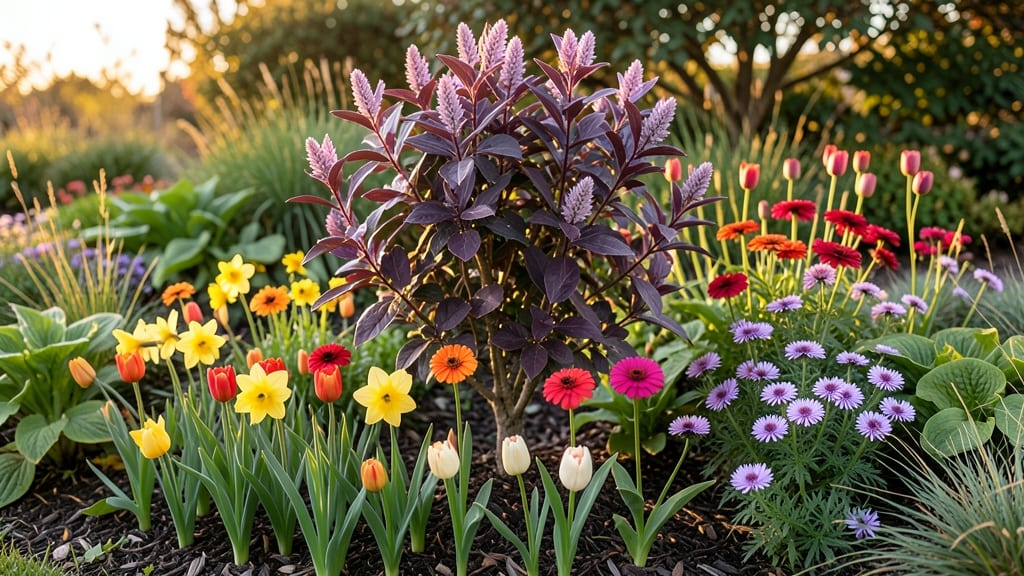
Tired of borders that look the same all year? A seasonal color rotation border keeps your garden dynamic while never sacrificing butterfly appeal. This clever design layers spring bulbs like daffodils and tulips, summer annuals such as zinnias, and fall asters around a sturdy butterfly bush backbone.
Start by planting spring bulbs in early autumn for early blooms, then tuck in heat-loving annuals like salvia or cosmos around the butterfly bush. By late summer, add fall asters in shades of purple and pink to bridge the gap until the butterfly bush's late-season blooms take over. The key is spacing: keep bulbs 4-6 inches apart, annuals 12-18 inches apart, and asters 18-24 inches apart for a seamless transition.
This approach works especially well for gardeners who want year-round interest without constant replanting. Plus, the continuous blooms ensure butterflies have a nonstop buffet from spring through fall. 🌻
Butterfly Bush and Herb Garden
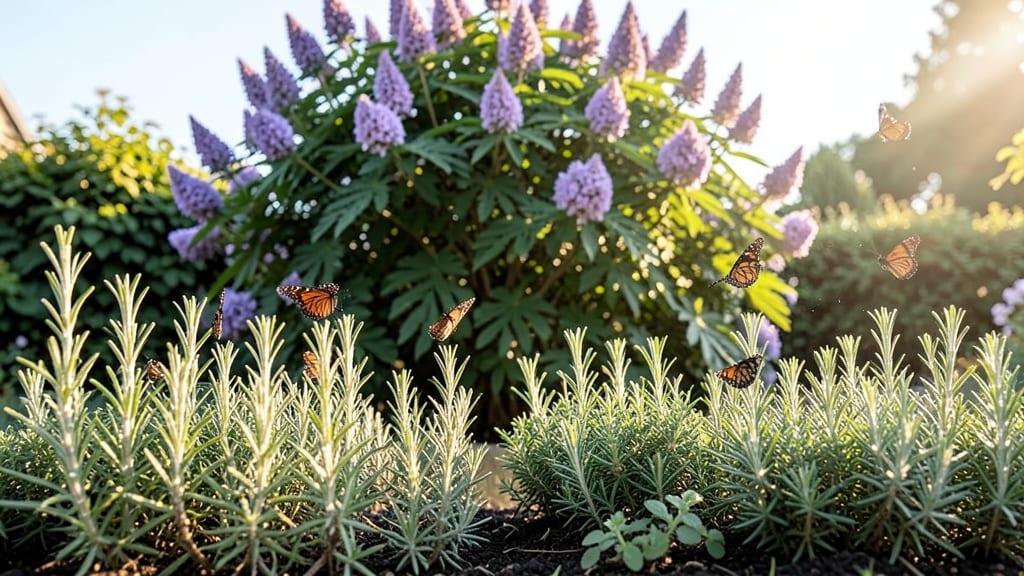
Want a kitchen garden that doubles as a butterfly buffet? Pairing butterfly bush with herbs like rosemary and thyme creates a fragrant, functional border that attracts pollinators while keeping your kitchen stocked with fresh flavors.
Plant butterfly bush as your tall backdrop (3-6 feet tall) and tuck dwarf herbs like lavender and oregano at the front. This combo thrives in full sun to partial shade and requires minimal maintenance—just prune butterfly bush annually after blooming. The herbs' aromatic foliage deters pests while adding culinary value.
Perfect for urban gardeners or anyone with limited space, this design turns your herb garden into a pollinator hotspot without sacrificing functionality. 🌿
Native Plant Butterfly Corridor

Want to create a true ecosystem in your garden without sacrificing beauty? A native plant butterfly corridor uses only region-specific butterfly bush varieties paired with native companions like milkweed and coneflowers—ensuring your garden supports local butterflies and bees while thriving with minimal care.
Start with native butterfly bush varieties like Buddleia texana (Texas) or Buddleia davidii (Midwest), which are adapted to your climate and soil. Add host plants like milkweed for monarchs and goldenrod for native bees—these combinations create a self-sustaining food chain. Plant in loose clusters rather than rigid rows to mimic natural habitats, and avoid pesticides entirely to protect pollinators.
This design is perfect for conservationists, urban gardeners with limited space, or anyone who wants to make a real difference. Every plant you choose will strengthen your local ecosystem while creating a vibrant, low-maintenance border. 🌿