
Blooming
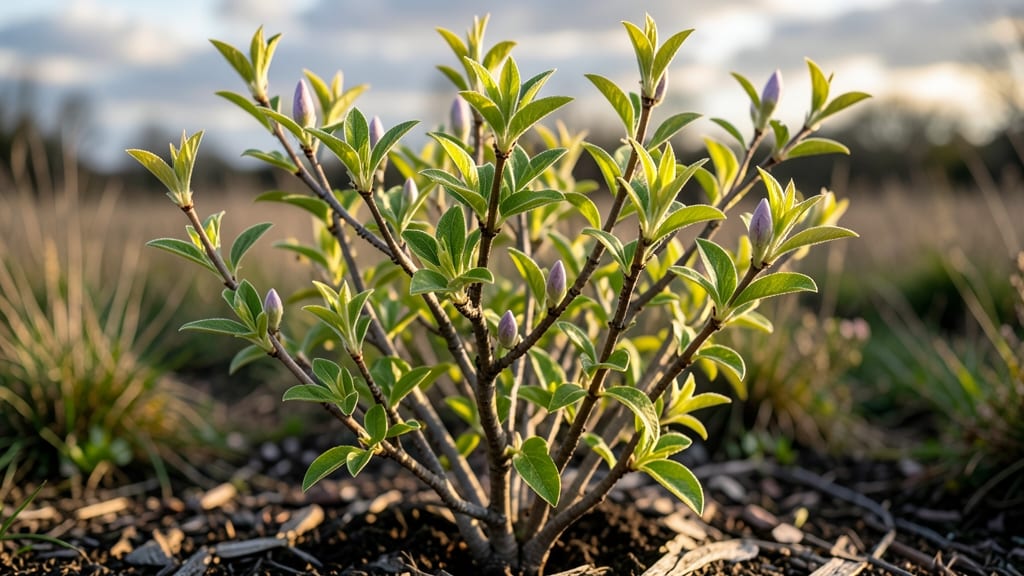
Your butterfly bush spring growth starts with one critical 3-week window—miss it, and you’ll sacrifice blooms all season. ✂️ I’ve pruned mine for years, and the difference between a bush bursting with purple blooms and a sparse, leggy mess comes down to timing, sharp cuts, and knowing exactly when new growth is ready.
The secret isn’t just when you prune—it’s how you spot the right moment. Look for fresh, deep green shoots about 3-4 inches long, signaling the plant’s energy is shifting from dormancy to growth.
That’s your cue to grab loppers, cut back one-third of last year’s growth, and shape the bush like a vase—wide at the bottom, narrower at the top. Overgrown stems? Trim them back to healthy buds or joints.
By mid-May, you’ll see explosive new shoots and buds forming where you made those cuts. Feed with a balanced 10-10-10 fertilizer then, and watch as the bush transforms from a winter skeleton into a pollinator magnet by June.
The key? Don’t rush—wait for those shoots, and you’ll get blooms from June straight through fall.
Frost? No problem—just cover tender new growth if temps dip below 28°F. Slow growth? Check your soil—amending with compost boosts vigor. The payoff? A bush that never stops attracting butterflies, hummingbirds, and bees, turning your yard into a living garden party.
📚 In This Guide
- What you need
- Instructions
- Tips and common mistakes
- Wrapping up and next steps
What you need
- ● Pruning shears: Sharp, bypass-style shears (for clean cuts) or loppers (for thicker stems). Pro tip: Disinfect blades with rubbing alcohol to prevent disease spread! 💡
- ● Gloves: Heavy-duty gardening gloves (to protect from thorns and sap).
- ○ Pruning saw: Optional but helpful for stubborn, woody stems (if your bush is mature).
- ● Marking twine or flags: To label stems for removal (if needed).
- ● Compost or mulch: 2–3 gallons to replenish soil after pruning.
- ● Watering can or hose: For post-pruning hydration.
- ● Hand pruners: For precision trimming of smaller branches.
- ● Safety glasses: If your bush is dense or thorny.
- ● Plant food: Balanced fertilizer (10-10-10) to boost regrowth.
- ● Camera or journal: To track growth progress over the season! 📸
- ● A clear, dry day (avoid pruning after rain or in extreme heat).
- ● Knowledge of your butterfly bush’s age: Young plants (<3 years) need lighter cuts; mature bushes can be pruned harder.
- ● Weather forecast: Plan for at least 2–3 weeks of warm, sunny weather before pruning to ensure robust regrowth.
Instructions: when and how to prune for spring flushes
Timing is everything with butterfly bushes—cut too early and you lose summer blooms, too late and you stunt growth.
⏰ Step 1: Time Your First Cut for Late Winter
Prune your butterfly bush 4-6 weeks before your last expected frost date, typically in late February through early March in most climates. This timing gives new growth time to harden off before spring's first warm flush. Look for dormant stems that appear brown and leafless—this is your cue that the plant has entered its natural resting phase.
I always wait until temperatures consistently stay above 40°F at night. Cold snaps after pruning can shock tender new shoots. If you're in Zone 7 or warmer, you might start pruning as early as late January, but never before the ground freezes—root damage will set your plant back.
✂️ Step 2: Remove Dead and Weak Wood First
Start by cutting out any stems that are completely brown or hollow—these won't produce blooms and compete with healthy growth. Use clean, sharp pruners to make cuts at a 45-degree angle, about ¼ inch above a outward-facing bud. This angled cut helps water run off and prevents rot.
Here's the thing—don't remove more than ⅓ of the plant's total volume in this first cut. Butterfly bushes are aggressive growers, and over-pruning stresses them. You'll see vigorous new shoots emerge from the buds you leave behind within 2-3 weeks—that's your reward for precision.
☀️ Step 3: Shape for Airflow and Light Penetration
Step back and visualize the plant's natural shape. Remove crossing branches and stems growing inward to create an open, vase-like structure. This improves airflow, which prevents fungal diseases like powdery mildew that thrive in dense foliage. Aim to leave 3-5 main stems as your framework—these will support next year's blooms.
Pay special attention to the plant's center. If it looks crowded, thin out the oldest stems first—they produce fewer flowers and take energy from younger growth. You'll notice new buds forming along the remaining branches within 4-6 weeks of your pruning, signaling the plant is recovering well.
🌱 Step 4: Light Summer Pruning for Continuous Blooms
After the first flush of spring blooms fades, give your bush a second light pruning in early June. This encourages a second wave of flowers by removing spent blooms and promoting new growth. Cut back only the current season's growth, leaving last year's woody stems intact.
I like to do this on a cloudy day when temperatures are mild—it reduces stress on the plant. Watch for new growth emerging from leaf axils within 10-14 days of your June pruning. This is your confirmation that the plant is responding well and will produce another round of vibrant blooms.
⏰ Step 5: Fall Cleanup for Next Year's Growth
In late fall, after the first hard frost blackens the foliage, prune back only the dead leaves—never cut into live wood. This protects the plant's energy reserves over winter. Remove any remaining seed pods if you don't want volunteer plants popping up everywhere next spring.
This final step might seem counterintuitive, but it's crucial. Leaving dead foliage over winter can harbor pests, but removing it too early (before the plant is truly dormant) can stimulate unwanted growth. You'll know you've timed it right when the plant looks completely dormant with no green tissue remaining.
Tips & tricks for perfect butterfly bush spring growth
Mastering butterfly bush pruning takes patience—but these insights will help you avoid common pitfalls and maximize blooms.
Timing Secret: The 4-6 week window before your last frost is non-negotiable for spring blooms. I've learned this the hard way—pruning too early can shock tender buds, while waiting too long stunts growth. Check your local frost dates and mark your calendar. For Zones 7-9, aim for late February to early March when nighttime temps consistently stay above 40°F. Use a weather app to track overnight lows—this is your best indicator for safe pruning.
Pruning Precision: When making those 45-degree cuts in Step 2, focus on clean angles that direct water away from the stem. I use a small marker to identify the outward-facing bud before cutting—this ensures new growth emerges where you want it. For stubborn branches, I make a small nick above the bud first to create a reference point. Remember, butterfly bushes respond best to gradual shaping, so never remove more than ⅓ of the plant's volume in one session.
Airflow Strategy: In Step 3, that open vase-like structure isn't just aesthetic—it's essential for preventing powdery mildew. I visualize the plant's natural growth pattern and remove any branches that would create dense pockets. For mature bushes, I work in layers: first the center, then the outer branches. This creates a gradual opening that allows sunlight to penetrate all the way to the inner stems, which is where many of those vibrant summer blooms originate.
Recovery Signals: Those 2-3 weeks after your first pruning are crucial for observing your plant's response. Healthy new shoots should emerge from the buds you left behind, and you'll notice fresh green tissue within 10-14 days of your June pruning. If you don't see this regrowth, it may indicate over-pruning or environmental stress. In my experience, a well-pruned butterfly bush will show visible recovery signs within these timeframes—it's your confirmation that the plant is thriving.
Pro Tips for Butterfly Bush Spring Growth
- Mastering butterfly bush pruning takes patience—but these insights will help you avoid common pitfalls and maximize b...
- Timing Secret: The 4-6 week window before your last frost is non-negotiable for spring blooms. I've learned this the ...
- Pruning Precision: When making those 45-degree cuts in Step 2, focus on clean angles that direct water away from the ...
Frequently asked questions
Got questions about butterfly bush spring growth? You’re not alone!
Here are answers to the most common concerns—from pruning timing to troubleshooting—so you can keep your plant thriving and blooming all season.
When is the best time to prune my butterfly bush in spring?
Prune your butterfly bush right after the last frost (typically late March to early May, depending on your zone). This removes winter-damaged branches and encourages fresh, vigorous growth. Avoid pruning too early—new buds form on old wood, so wait until you see some signs of life.
Should I cut back my butterfly bush all the way to the ground?
No! Butterfly bushes bloom on old wood, so avoid drastic cuts. Instead, trim back 1/3 of the oldest stems to the ground and shape the rest lightly. This balances blooms and health. Pro tip: Use clean, sharp shears to prevent disease.
Why isn’t my butterfly bush blooming as much this spring?
Lack of blooms often means over-pruning or nutrient deficiency. Check for these fixes:
- Pruned too late? Next year, prune before new growth starts.
- Fertilize in early spring with high-phosphorus food to boost flowers.
- Ensure it gets 6+ hours of sun—shady spots reduce blooms.
Can I prune butterfly bush in fall instead of spring?
Fall pruning is risky—it removes next year’s flower buds! Only prune lightly in fall to remove dead/diseased wood. Save major shaping for spring. If you must prune in fall, do it after blooming season (late Sept–Oct) and keep cuts minimal.
What’s a good alternative if my butterfly bush struggles with spring growth?
Try these low-maintenance, butterfly-friendly alternatives:
- Butterfly Weed (Asclepias tuberosa) – Drought-tolerant, blooms summer-fall.
- Russian Sage (Perovskia atriplicifolia) – Silvery foliage, long bloom season.
- Coneflower (Echinacea) – Hardy, attracts pollinators, and thrives in partial shade.
Wrapping up and next steps
Watching your butterfly bush burst into vibrant spring growth is incredibly rewarding! By mastering the right pruning timing—like cutting back in late winter or early spring—you’ll unlock year-round blooms and a healthier plant. Remember, patience and precision pay off, so don’t rush the process.
Ready to transform your garden? Grab your pruners and give your butterfly bush the care it deserves—your future blooms will thank you! 🌸 For extra tips, check out our pruning guide or join a local gardening group to share your progress.