
Light Requirements
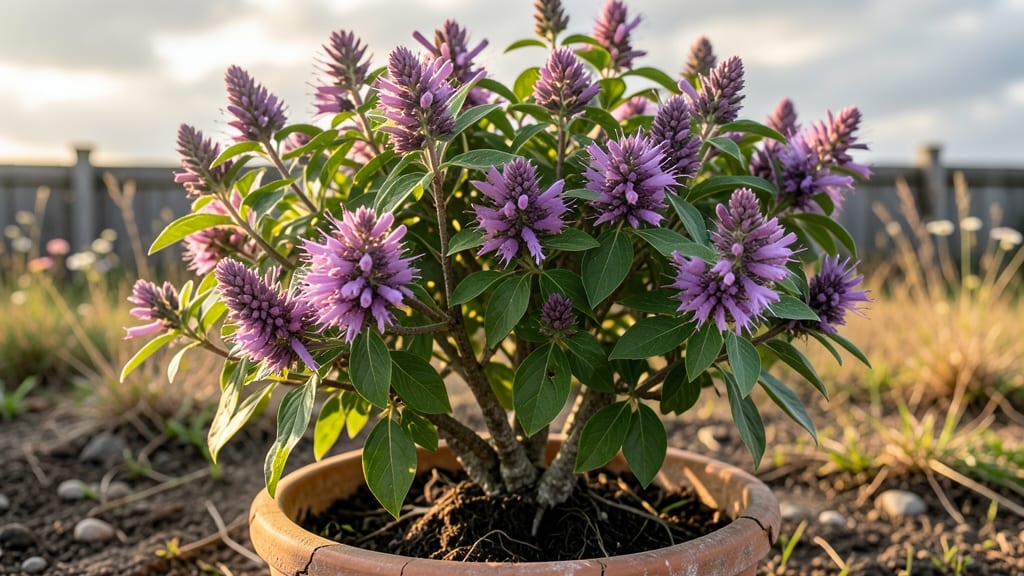
A butterfly bush needs full sun exposure—at least 6 hours of direct light daily—to fuel its iconic blooms and robust growth.
But here’s the catch: too much blazing afternoon sun in hot climates can scorch its leaves, while too little light means sparse flowers and leggy stems. 🦋 I’ve seen both extremes firsthand, and the difference in vibrancy is night and day.
If your butterfly bush isn’t putting on its best show, the light conditions might be the culprit. Whether you’re in a sunny USDA Zone 6a or a warmer region, understanding how sunlight affects growth, flowering, and even disease resistance is the key to keeping your plant happy.
In this guide, I’ll break down the ideal sunlight balance, how to spot signs of over- or under-exposure, and which varieties handle partial shade better. By the end, you’ll know exactly how to adjust care for vibrant blooms all season long.

How much sun does a butterfly bush actually need?
The butterfly bush (Buddleia) thrives when planted in full sun conditions, but many gardeners overlook how much sunlight their specific variety truly needs. While most varieties love 6 to 8 hours of direct sunlight daily, some dwarf cultivars can tolerate partial shade.
Understanding your garden’s microclimate is key to unlocking vibrant blooms and healthy growth.
Butterfly bushes are often labeled as "full sun" plants, but what does that really mean? Full sun typically refers to 6+ hours of direct sunlight, while partial shade means 3 to 6 hours with filtered light.
The difference can mean the difference between a bush bursting with butterfly-attracting blooms and one that struggles to flower at all.
Assessing your garden’s microclimate starts with observing sunlight patterns. Use a sunlight tracker app or mark your yard with stakes to measure how much direct light different areas receive throughout the day. South-facing spots typically get the most sun, while north-facing areas often receive the least.
Regional climate plays a huge role too. In hot, dry climates like the Southwest, butterfly bushes may need afternoon shade to prevent leaf scorch, while cooler northern regions can handle full sun all day long. Always consider your USDA hardiness zone when planning placement.
Even the soil type affects how your butterfly bush handles sunlight. In heavy clay soils, roots may struggle to absorb water efficiently, making the plant more sensitive to intense afternoon sun. Amending soil with compost or sand can improve drainage and help the plant thrive in full sun.
If you’re unsure whether your spot qualifies as "full sun," look for clues like dried leaves on nearby plants or bleached grass. These signs often indicate areas that receive 6+ hours of direct sunlight.
For partial shade spots, check for dappled light under trees or filtered sunlight through sheer curtains.
Pro tip: Mulch around your butterfly bush with organic matter like wood chips or straw to retain moisture and regulate soil temperature. This helps the plant handle intense sunlight better, especially in hot summer months when evaporation rates spike.
Remember, young butterfly bushes are more sensitive to sunlight than mature plants. When transplanting, start with morning sun only and gradually introduce afternoon sun over 2-3 weeks to avoid sunburn on tender new growth.
For container-grown butterfly bushes, choose pots with light-colored finishes to reflect excess heat and prevent root stress. Place containers on elevated surfaces or use self-watering systems to ensure consistent moisture in full sun conditions.
Finally, don’t forget that seasonal changes affect sunlight exposure. What qualifies as full sun in summer might feel like partial shade in winter due to lower sun angles. Adjust pruning and fertilizing schedules accordingly to maintain healthy growth year-round.
Signs your butterfly bush isn’t getting enough sunlight (and how to fix it)
If your butterfly bush looks more like a sad, sprawling vine than a vibrant blooming powerhouse, sunlight deprivation might be the culprit. These plants thrive on full sun exposure—typically 6-8 hours daily—but many gardeners unknowingly place them in shady spots that stunt their growth.
The good news? Recognizing the signs early lets you take corrective action before your bush becomes permanently underperforming.
Start by inspecting your bush’s stem structure. Healthy butterfly bushes grow upright with sturdy branches, but insufficient sunlight triggers leggy, weak stems that stretch toward any available light. You’ll also notice sparse foliage and leaves that appear pale or yellowish, a clear sign the plant isn’t photosynthesizing efficiently.
These visual cues often appear before flowering season, giving you a heads-up to adjust care before summer blooms.
🚨
One of the most obvious red flags is lackluster or absent blooms. Butterfly bushes are prized for their fragrant flowers that attract pollinators, but when sunlight is lacking, you’ll see either tiny, sparse blooms or no flowers at all.
Pay attention to the flower clusters—healthy bushes produce dense, elongated spikes, while sun-deprived plants may have just a few scattered blooms. This is your bush’s way of signaling it’s struggling to meet its energy demands.
To fix these issues, start with pruning adjustments. If your bush is already leggy, prune back overly elongated stems by one-third to encourage bushier growth. Focus on cutting just above a leaf node or bud to promote new, stronger branches.
For more dramatic changes, consider transplanting your butterfly bush to a sunnier location—even moving it just a few feet can make a significant difference in its health and flowering.
Seasonal adjustments also play a key role. In spring, when new growth emerges, ensure your bush has unobstructed sunlight access. Remove any nearby trees, structures, or overgrown plants that might be casting partial shade.
If your garden’s natural light is limited, consider using reflective surfaces like white walls or mirrors to bounce extra light onto your bush. During summer months, monitor your bush’s light exposure closely—even afternoon shade can reduce flowering if the plant isn’t getting enough morning sun.
For container-grown butterfly bushes, your options are even more flexible. Simply rotate the pot every few weeks to ensure all sides receive equal sunlight.
If your patio or balcony only gets partial sun, choose a dwarf variety like ‘Lo and Behold’—these are more tolerant of 4-6 hours of sun but still produce stunning blooms.
With these adjustments, you’ll see a noticeable improvement in your bush’s stem strength, leaf color, and—most importantly—flower production within just a few weeks.