
How To
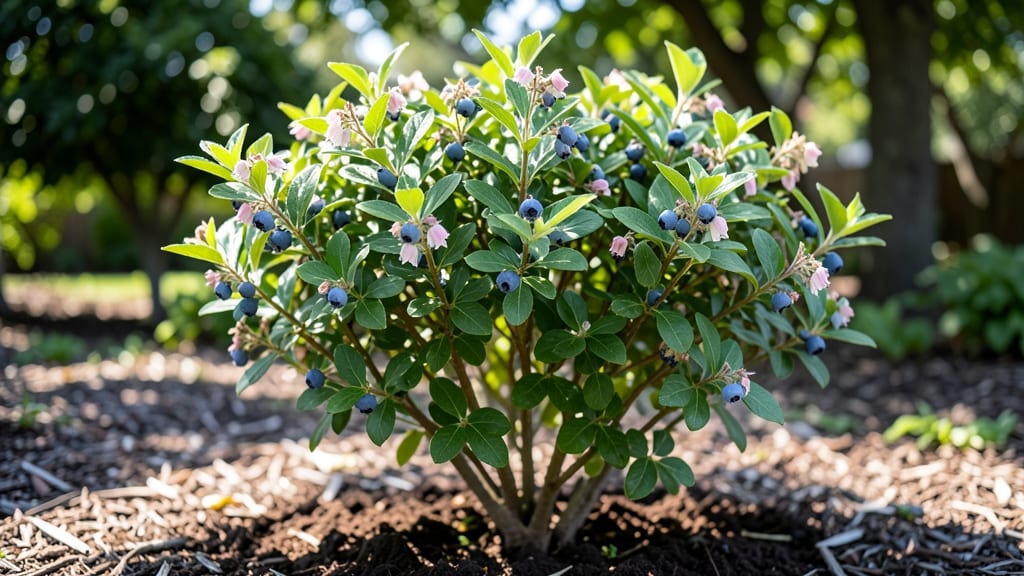
A blueberry bush grows anywhere from 1 foot to over 12 feet tall, depending on the variety you choose and how you care for it.
Imagine reaching for those ripe, juicy 🫐 berries only to find yourself stretching on tiptoes—or worse, needing a ladder! The right spacing and pruning can make all the difference between a manageable shrub and a towering giant in your backyard.
Dwarf varieties stay compact, perfect for containers or small gardens, while standard types can reach heights that rival a basketball hoop. Understanding these differences isn’t just about aesthetics—it’s about maximizing yield, airflow, and sunlight for healthier plants.
Below, I’ll break down the height ranges by variety, share spacing secrets to avoid overcrowding, and give you the pruning tips to keep your blueberry bush at your ideal height—whether that’s waist-level or just a few feet off the ground.

Blueberry bush height by variety: dwarf to giant sizes explained
Choosing the right blueberry bush depends heavily on its mature height, which can range from compact dwarfs to towering giants. Understanding these differences helps you plan your garden layout, ensure proper sunlight exposure, and even decide whether you’ll need a ladder for harvesting.
Some varieties stay under 3 feet tall, while others reach over 10 feet—a difference that impacts everything from pruning to container gardening.
Blueberry bushes fall into four main categories based on height and climate suitability: Northern Highbush, Southern Highbush, Rabbiteye, and Lowbush. Each type has distinct growth habits, with some growing aggressively upward and others spreading wider.
For example, Lowbush varieties often stay low to the ground, making them ideal for ground covers or small spaces, while Rabbiteye blueberries can become small trees, requiring more room to thrive.
The height of your blueberry bush also affects its growth rate and yield potential. Taller varieties like Premier or Tifblue may produce more berries but need stronger support and wider spacing.
Dwarf varieties like Top Hat or Peach Sorbet grow faster in height during their first few years but cap out at a manageable size, perfect for urban gardens or containers.
| Variety Type | Mature Height | Growth Rate (First 3 Years) | Best For |
|---|---|---|---|
| Northern Highbush | 6–12 ft | 3–5 ft/year | Large gardens, full sun |
| Southern Highbush | 5–8 ft | 2–4 ft/year | Warmer climates, containers |
| Rabbiteye | 8–12 ft | 4–6 ft/year | Southeastern U.S., rural areas |
| Lowbush (Wild) | 1–3 ft | 1–2 ft/year | Ground cover, small spaces |
| Dwarf Varieties (e.g., Top Hat) | 2–4 ft | 1–3 ft/year | Urban gardens, containers |
If you’re planting Northern Highbush varieties, expect them to grow 6–12 feet tall and spread 5–6 feet wide. Popular cultivars like Bluecrop or Duke are classic choices for cooler climates (USDA Zones 4–7) and thrive with proper acidic soil and full sun exposure.
These bushes can become small trees over time, so plan for sturdy stakes or trellises if needed.
Southern Highbush varieties, such as Misty or O’Neal, are hardier in heat and humidity (Zones 5–10) and typically reach 5–8 feet tall. They’re excellent for warmer regions and can handle container gardening if given enough space. Their slightly slower growth rate makes them easier to manage in smaller yards compared to their Northern counterparts.
For those in the Southeastern U.S., Rabbiteye blueberries like Climax or Powderblue are the way to go. These giants can soar to 8–12 feet tall and spread 6–10 feet wide, making them ideal for rural properties or large backyard orchards.
Their rapid growth means you’ll need to prune aggressively to control their size and ensure air circulation to prevent disease.
Lowbush blueberries, often found in the wild, stay 1–3 feet tall and spread 3–4 feet wide. These are perfect for ground covers, woodland gardens, or small-scale harvesting. Varieties like Jersey or Patriot produce smaller berries but are incredibly hardy and low-maintenance. They’re also great for pollinator-friendly gardens due to their compact size and early blooms.
Dwarf varieties like Top Hat or Peach Sorbet are game-changers for urban gardeners or those with limited space. These bushes max out at 2–4 feet tall and are ideal for containers, raised beds, or small patios.
They grow quickly in their first few years but remain manageable, making them perfect for balcony gardens or windowsill harvesting. Just ensure they get at least 6 hours of sunlight daily to thrive.
When planning your blueberry bush placement, consider not just height but also spread and growth rate. A 10-foot-tall Rabbiteye variety planted too close to a fence or patio will quickly outgrow its space, while a 3-foot dwarf in a large container may need repotting every few years.
Always check the specific cultivar’s mature size and spread before planting to avoid overcrowding.
Pro tip: If you’re unsure about a variety’s height, check the nursery tags or plant descriptions for mature size estimates. Many nurseries now offer semi-dwarf varieties (3–5 feet tall) that bridge the gap between compact and standard sizes, offering a happy medium for most gardeners.
With the right choice, you’ll enjoy years of blueberry harvests without the hassle of ladders or overgrown bushes!
Optimal spacing and planting tips to maximize growth
Proper spacing between blueberry bushes isn’t just about aesthetics—it directly impacts air circulation, sunlight exposure, and even your harvest yield. Crowding bushes too closely can lead to fungal diseases and stunted growth, while giving them too much room might waste valuable garden space.
The key is balancing their mature height and spread with your garden layout.
For standard blueberry varieties that reach 6–12 feet tall, aim for 8–12 feet apart in rows. This ensures each bush gets full sun exposure and room to develop strong canes.
If you’re working with dwarf varieties (1–3 feet), you can space them 3–5 feet apart, making them perfect for container gardening or small yards.
- Space standard varieties 8–12 feet apart for optimal airflow and sunlight.
- Use 3–5 feet spacing for dwarf varieties in containers or small gardens.
- Plant in well-draining, acidic soil (pH 4.5–5.5) to prevent root rot.
- Mulch with pine needles or wood chips to retain moisture and acidity.
- Prune old canes in late winter to encourage new growth and better fruit production.
Before planting, prepare the soil by amending it with compost and peat moss to maintain the acidic pH blueberries crave. A simple soil test can reveal if you need to adjust the pH—aim for 4.5–5.5.
Adding a 2–3 inch layer of mulch around the base of the bush helps retain moisture and suppresses weeds, which is especially critical during the dry summer months.
If you’re growing blueberries in containers or pots, choose varieties like ‘Top Hat’ or ‘Peach Sorbet’, which stay under 3–4 feet tall. Use large pots (at least 18–24 inches wide) with drainage holes and a high-quality acidic potting mix.
Containers dry out faster, so monitor soil moisture closely and water deeply every 2–3 days in summer.
Pruning plays a crucial role in managing height and encouraging fruit-bearing canes. In late winter or early spring, remove dead, diseased, or crossing branches to improve airflow. For taller varieties, you can also head back new growth by up to one-third to control height while promoting bushier growth.
Just avoid heavy pruning in fall or winter, as this can stress the plant.
Finally, consider your garden’s microclimate. Blueberries thrive in full sun (6–10 hours daily), but in hot climates, afternoon shade can prevent sunburn on leaves. If your garden gets intense afternoon heat, plant taller varieties on the north or east side of shorter plants to provide natural shade.
With the right spacing and care, your blueberry bushes will reward you with years of bountiful harvests!