
Pruning
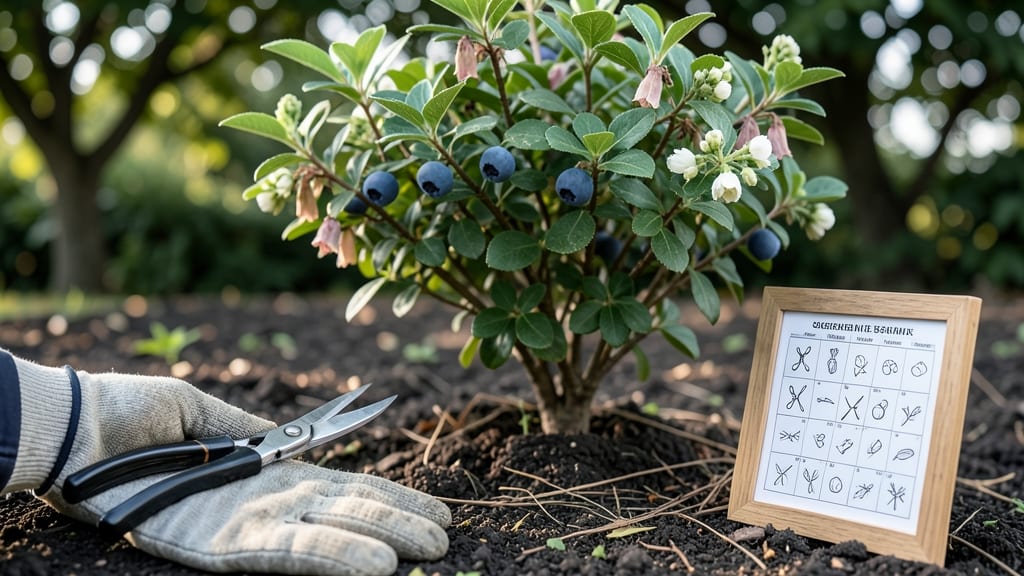
Pruning blueberry bushes in North Carolina during late winter is the key to a bountiful harvest—and skipping this step can leave you with fewer berries than you’d hoped for.
Picture this: You’ve waited all year for those sweet, juicy 🫐 blueberries, only to find your bushes struggling because you pruned at the wrong time. In North Carolina’s 6b-8a zones, timing matters more than technique, and late winter (February to early March) is when you want to act.
Why? Because pruning too early can expose the bush to frost damage, while waiting too long risks stunting new growth. The goal is to shape the plant while it’s dormant but before buds break—so you’re not just cutting branches, you’re setting the stage for next summer’s fruit.
In this guide, I’ll walk you through the exact window for pruning, how to spot the right signs, and what tools to use—so you can skip the guesswork and get straight to a thriving blueberry bush.
Optimal late winter pruning timeline for North Carolina blueberries
North Carolina's blueberry bushes thrive when pruned during their dormancy period, typically between late February and early March. This window aligns with the state's USDA zones 6b-8a and ensures you avoid damaging new growth while encouraging robust fruit production for the upcoming season.
The key is to prune after the worst frost but before buds begin swelling—usually 2-3 weeks before last frost.
Timing your prune correctly means the difference between a healthy, productive bush and one struggling with disease or weak growth. In North Carolina, the average last frost date is around March 15, but this can vary by microclimate.
For example, mountain regions (zone 6b) may need to wait until early April, while coastal areas (zone 8a) can prune as early as late February. Always monitor your local frost forecast for precision.
Here’s why late winter is ideal: Blueberry bushes are fully dormant after winter, making it easier to identify dead or diseased wood. Pruning now removes last year’s fruit-bearing wood (which has already produced) and thins out crowded branches to improve airflow and sunlight penetration.
This sets the stage for stronger new growth and higher yields in late summer.
| Pruning Window | Key Actions | North Carolina Climate Notes |
|---|---|---|
| Late February | Remove dead/diseased wood; trim crossing branches. | Safe in zone 8a; avoid if frost risk remains. |
| Early March | Shape bush; thin out crowded growth. | Ideal for zone 6b-7a; wait until after last frost. |
| Mid-March | Final adjustments; remove water sprouts. | Best for mountain regions; monitor bud swell. |
| After March 15 | Avoid pruning; new growth begins. | Risk of damaging flower buds; wait for next dormant season. |
Aligning your pruning with North Carolina’s climate is critical. For instance, if you’re in the Piedmont region, aim for late February to early March, while coastal growers can start as early as mid-February.
The goal is to prune when the bush is dormant but before buds break. This timing ensures you don’t accidentally remove next year’s fruit buds, which form on new wood.
One common mistake is pruning too late, which can stress the bush and reduce yields. If you miss the late winter window, wait until late fall (October-November), but avoid pruning in summer or early fall, as this can stimulate new growth that won’t harden off before frost.
Always prioritize dormant-season pruning for blueberries.
To prepare for pruning, gather your tools: sharp bypass pruners, loppers for thicker branches, and disinfectant to clean tools between cuts. Start by removing dead, diseased, or crossing branches first, then thin out the center to improve air circulation.
Leave 3-5 main stems for dwarf varieties and 6-8 for standard bushes, ensuring each stem has 3-4 buds near the base.
After pruning, mulch around the base with pine straw or wood chips to maintain acidic soil conditions and retain moisture. Avoid heavy mulch piles against the stems to prevent rot.
Water deeply but infrequently—about 1-2 inches per week—to encourage deep root growth. This post-pruning care is just as important as the timing itself for maximizing fruit production.
For young blueberry bushes (under 3 years old), minimal pruning is needed—just remove dead wood and shape lightly. Older bushes benefit most from rejuvenation pruning, where you remove older canes (5+ years) to stimulate new growth.
This is especially useful for overgrown bushes that produce fewer berries.
Remember, blueberries are self-pollinating but benefit from cross-pollination. If you have multiple bushes, prune them at the same time to ensure even flowering and fruiting.
Keep an eye out for late winter pests, like blueberry maggot flies, and address them early to protect your fruit buds.
By following this late winter pruning timeline, your North Carolina blueberry bushes will enter the growing season stronger, healthier, and ready for a record harvest. The effort you put in now will pay off with juicy, plump berries by mid-summer—worth every minute of pruning! 🫐✂️
Step-by-step guide to pruning blueberry bushes for North Carolina growers
Pruning blueberry bushes is essential for maintaining their health and maximizing fruit production in North Carolina’s climate. The right technique ensures proper airflow, sunlight penetration, and strong growth.
I’ve pruned my own bushes for years, and I’ve learned that identifying dead wood, thinning crowded branches, and shaping the bush are key steps. Let’s break it down so you can get it right the first time.
Before you start, gather your tools: sharp pruning shears, gloves, and disinfectant to prevent spreading disease. Blueberry bushes have unique growth patterns, so it’s important to recognize healthy vs. unhealthy growth.
Healthy branches are firm, brown, and have small buds, while dead wood is brittle, dark, and lacks buds. I always start by removing any branches that are clearly dead or diseased.
How to Prune Blueberry Bushes in North Carolina
- Step 1: Remove Dead or Diseased Wood – Cut out any branches that are brittle, dark, or lack buds. This improves airflow and reduces disease risk.
- Step 2: Thin Out Crowded Branches – Look for branches growing inward or crossing over others. Remove 1/3 of the oldest canes to encourage new growth.
- Step 3: Shape the Bush – Trim back any branches that are growing too tall or leggy. Aim to keep the bush open and rounded for better sunlight exposure.
- Step 4: Prune for Fruit Production – Focus on keeping last year’s fruit-bearing canes (they’re thicker and woody) while removing new, thin growth.
- Step 5: Clean Up – Remove all pruned branches and disinfect your tools to prevent spreading pathogens to healthy plants.
When pruning, always cut just above a bud or branch junction at a 45-degree angle. This helps the wound heal faster and reduces the risk of infection. I like to make my cuts slightly above a bud that’s facing outward—this encourages growth in the right direction.
Avoid leaving stubs, as they can trap moisture and lead to rot.
North Carolina’s climate means you’ll need to be extra mindful of late winter frost risks. If pruning too early, a sudden freeze can damage new growth. Wait until after the last frost date (around mid-March in most of NC) before starting.
I’ve seen bushes recover well when pruned at the right time, but early pruning can stress the plant.
After pruning, give your blueberry bushes a light layer of mulch (like pine straw) to retain moisture and regulate soil temperature. This is especially important in NC’s humid summers.
I also recommend applying a balanced fertilizer in early spring to support new growth. Just avoid over-fertilizing, as blueberries prefer acidic soil (pH 4.5-5.5).
Finally, keep an eye on your bushes after pruning. Watch for signs of stress, like yellowing leaves or wilting, which could indicate over-pruning or disease. If you notice any issues, adjust your care routine accordingly.
With the right technique, your blueberry bushes will reward you with abundant fruit for years to come! 🫐