
Advice
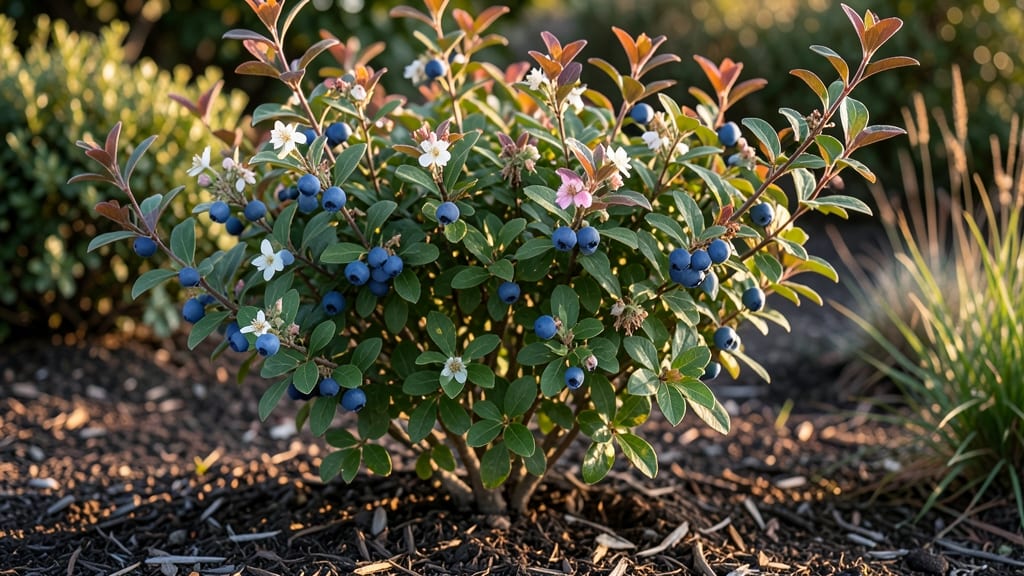
Blueberry bushes come back every year as hardy perennials, thriving for decades with proper care, though cold-hardiness varies by variety and winter protection needs in colder climates.
Blueberry bushes are perennial plants, meaning their roots survive winter dormancy to produce new growth each spring. 🌱 This hardiness comes from their deep root systems that store nutrients, allowing them to bounce back annually.
However, their lifespan depends heavily on winter protection—especially in regions with harsh freezes—where proper mulching and variety selection can extend their productivity for 20+ years.
What sets blueberries apart is their ability to adapt to seasonal changes through natural dormancy cycles. Unlike annuals that must be replanted yearly, these bushes develop woody stems that persist through winters, rejuvenating with fresh foliage each spring.
This resilience makes them a favorite for gardeners seeking low-maintenance, long-term fruit producers.
The key to maximizing their perennial nature lies in understanding your climate zone. Northern varieties like 'Patriot' or 'Northblue' handle sub-zero temperatures better than southern types, while mulching with straw or pine needles provides critical insulation.
Proper winter care transforms these bushes from seasonal plants into reliable, decade-long additions to your landscape.
💡 In This Article
- Why Blueberry Bushes Are Perennial Plants
- Extending Blueberry Bush Lifespan in Cold Climates
Why blueberry bushes are perennial plants
Blueberry bushes thrive as perennials because their root systems develop extensive, deep networks that store carbohydrates and nutrients throughout winter. These roots can extend 3-5 feet below the soil surface, creating a robust reservoir that fuels regrowth each spring.
Unlike annuals, which complete their life cycle in one season, blueberries enter a natural dormancy phase during cold months, conserving energy while remaining alive underground. This adaptation allows them to survive 10-30 years or more with proper care.
Their woody stems play a crucial role too. Blueberries produce new growth from buds located on last year's stems, which remain dormant until temperatures rise. This system ensures consistent fruiting year after year, as long as winter damage doesn't exceed 20-25°F for extended periods.
The plant's ability to regenerate from its root crown—where stems meet roots—makes it incredibly resilient against environmental stresses. 🌿
Seasonal adaptation is key to their perennial success. In early spring, blueberries respond to increasing daylight and soil temperatures by breaking dormancy, sending up fresh shoots within 2-4 weeks.
Their leaves contain compounds that protect against late frosts, while their shallow root hairs absorb moisture efficiently during the growing season. This dual adaptation—deep storage roots for winter survival and shallow nutrient-absorbing roots for summer growth—explains why they thrive across diverse climates.
What most gardeners don't realize is how blueberries manage water differently than other perennials. Their root systems develop mycorrhizal associations with soil fungi, creating a symbiotic network that enhances nutrient uptake. This relationship allows them to flourish even in acidic soils (pH 4.5-5.5), where many plants struggle.
The fungi help break down organic matter, providing the phosphorus and nitrogen blueberries need for vigorous regrowth each season.
Another fascinating mechanism is their bud hardiness. Blueberry buds contain antifreeze proteins that prevent ice crystal formation within plant tissues, protecting them down to -15°F in some varieties. This biological adaptation explains why northern-grown blueberries often outlast southern varieties in colder climates.
The combination of deep roots, antifreeze proteins, and mycorrhizal partnerships creates a self-sustaining system that keeps these bushes productive for decades. 💛