
Vegetables
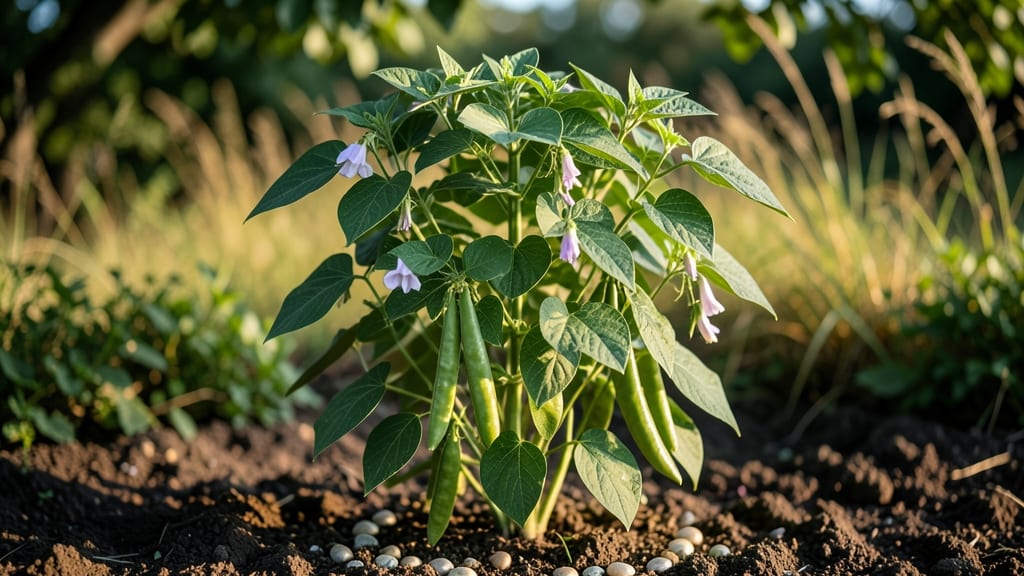
Bush beans do not climb because they grow as self-supporting shrubs with sturdy stems, reaching heights of 12–24 inches without needing vines or trellises. Their compact structure makes them perfect for small spaces and container gardening.
Unlike their climbing cousins, bush beans rely on their own structural strength rather than tendrils to grow upright. 🌱 This natural habit means you won't need to worry about staking or training, though proper spacing (4–6 inches apart) helps prevent overcrowding. The trade-off?
They typically produce a slightly shorter harvest window compared to pole beans, which can climb 8–10 feet with support. For container growers, this bushy growth is a game-changer—just ensure your pots have drainage and are at least 12 inches deep to accommodate their root systems.
What sets bush beans apart isn't just their lack of climbing ability but their adaptability to various soil types and shorter growing seasons. They thrive in well-draining soil with consistent moisture, though they're more drought-tolerant than many other vegetables once established.
This makes them a low-maintenance choice for beginners or busy gardeners who still want a steady supply of fresh beans.
💡 In This Article
- How Bean Plant Growth Habits Differ: Climbing vs. Bush Varieties
- Best Growing Conditions for Bush Beans Without Trellises
How bean plant growth habits differ: climbing vs. bush varieties
The fundamental difference between bush beans and their climbing counterparts lies in their genetic structure and growth mechanisms.
Bush beans belong to the Phaseolus vulgaris species but have been selectively bred to develop determinate growth habits, meaning they grow to a fixed height (typically 12–24 inches) and then stop.
This contrasts with pole beans, which exhibit indeterminate growth—continuously producing new vines that can reach 6–10 feet or more with proper support.
Botanically, the key distinction is in their stem structure and reproductive strategy. Bush beans produce compact, bushy plants with thick, woody stems that can support their own weight, while pole beans develop long, flexible vines equipped with tendrils—specialized leaf structures that coil around supports.
These tendrils act like natural grappling hooks, allowing pole beans to climb vertically. 🌿 The root systems also differ: bush beans develop shallower, more fibrous roots concentrated near the soil surface, whereas pole beans have deeper taproots that anchor their towering growth.
This growth habit affects photosynthesis efficiency and yield patterns. Bush beans focus their energy on producing multiple pods simultaneously along their main stems and branches, resulting in a shorter but concentrated harvest window (typically 4–6 weeks).
Pole beans, however, spread their energy over a longer period, producing pods gradually along their vines over 2–3 months. The trade-off? Bush beans require less space and no support structures, making them ideal for urban gardens or small plots where vertical growth isn't feasible.
Another critical difference is their response to pruning. Bush beans do not benefit from pruning—their compact structure is their strength—and removing leaves or stems can actually reduce yield. Pole beans, however, thrive with selective pruning to encourage air circulation and direct energy toward pod production.
This makes bush beans far more low-maintenance for home gardeners who prefer a "plant-and-forget" approach. 🌱
Consider the pod development as well: bush beans produce pods closer to the ground, making them easier to harvest without bending. Their pods also tend to be slightly larger and thicker-walled compared to pole bean pods, which can be more delicate due to their vertical growth.
This structural difference influences everything from harvesting ease to culinary uses—bush beans are often preferred for canning or freezing due to their sturdier pods.
For gardeners choosing between the two, the decision often comes down to space, time, and maintenance preferences. If you have limited space or want a quick harvest, bush beans are the clear winner.
But if you're willing to invest in trellises and have the patience for a prolonged harvest, pole beans offer higher total yields** and a more extended growing season.