
Pruning
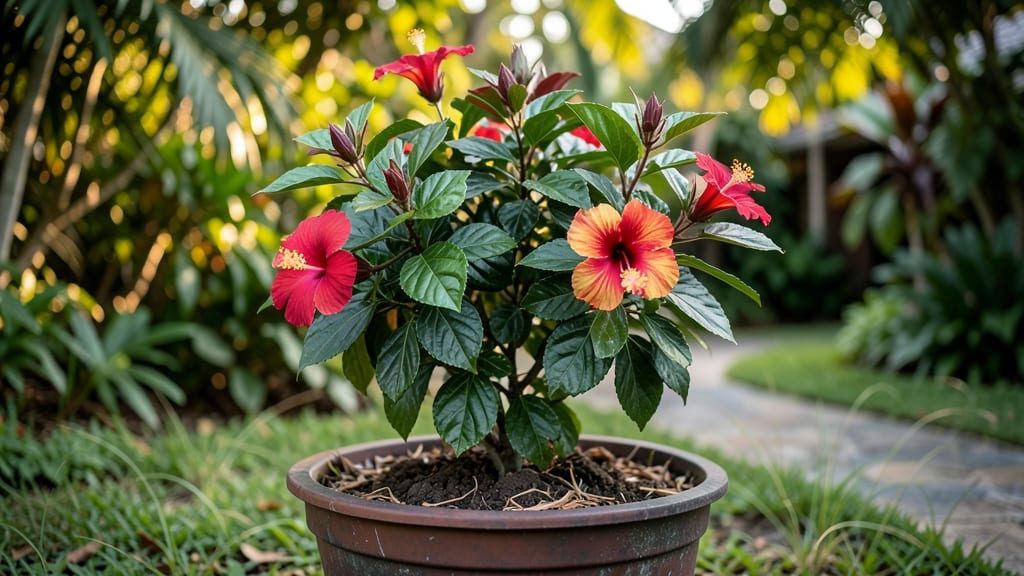
Your Fiesta hibiscus bush could be covered in year-round blooms—if you prune it right. ✨ I’ve seen these vibrant bushes go from sparse, leggy shadows of themselves to lush, flower-covered powerhouses after just one strategic pruning session, and it all comes down to understanding when and how to cut.
The key isn’t just trimming back dead growth; it’s working with the plant’s natural rhythm, so you end up with more flowers, not fewer.
The secret starts with seasonal timing: prune lightly in late winter to shape the bush, cut back spent blooms all summer to encourage new growth, and give it a more aggressive trim in early fall to prepare for winter dormancy.
Most gardeners mess this up by pruning at the wrong time—like right after a hard frost or during a heatwave—which stresses the plant and cuts back on blooms.
But once you get the timing right, your Fiesta hibiscus will reward you with bold, trumpet-shaped flowers in shades of red, orange, and yellow that last from spring through fall—and sometimes even winter, if you’re lucky.
What you’ll end up with is a bush that’s not just beautiful but stronger, healthier, and more productive than ever. The flowers will be bigger, the branches will fill out more evenly, and you’ll spend less time fighting back leggy, sparse growth.
Even if you’ve struggled with hibiscus care before, this method is foolproof—as long as you stick to the seasonal schedule and avoid over-pruning. Think of it like giving your plant a haircut that works with its natural style, not against it.
This approach works for both container-grown bushes and those planted in the ground, and it adapts to different climates—whether you’re dealing with hot, humid summers or cooler, drier conditions. The only real requirement is patience, since hibiscus bushes take a little time to bounce back after pruning.
But trust me, the first time you see those bright, trumpet-shaped blooms popping up all over the plant after a well-timed cut, you’ll wonder why you didn’t start sooner.
📚 In This Guide
- What you need
- Instructions
- Tips and common mistakes
- Wrapping up and next steps
What you need
- ● Pruning shears: Bypass pruners (sharp, clean, and sterilized to prevent disease) – 1 pair (for small branches).
- ● Loppers: For thicker branches (½"–1.5" diameter) – 1 pair (look for bypass-style for precision cuts).
- ● Hand saw: For stubborn, woody stems (2"–4" diameter) – 1 small pruning saw (avoid cheap serrated blades).
- ● Rubbing alcohol (70%+) or bleach solution: To sterilize tools between cuts – small bottle (or 1 part bleach to 9 parts water).
- ○ Garden gloves: Heavy-duty, cut-resistant (optional but highly recommended for thorns!).
- ● Disposable pruning bags or bucket: For collecting debris – 1–2 (helps contain mess and pests).
- ● Weather check: Prune on a dry, overcast day or early morning to reduce stress on the plant.
- ● Water access: Have a hose or watering can nearby to hydrate the bush before and after pruning.
- ○ Fertilizer (optional but helpful): Balanced 10-10-10 or 20-20-20 fertilizer – small bag (apply 2–4 weeks post-pruning).
- ● Bloom booster (e.g., 10-30-20) – small bottle (for post-pruning feeding).
- ○ Mulch (optional): Shredded bark or compost – 2–3 inches (to retain moisture and regulate soil temp).
- ● ✨ Sterilize tools between cuts to avoid spreading fungal/bacterial diseases (dip in rubbing alcohol or bleach solution).
- ● 🌡️ Prune at the right time: Early spring (before new growth) or late winter for major cuts; light trims can happen year-round.
- ● 🎯 Mark your calendar: Fiesta hibiscus blooms on new wood, so avoid heavy pruning in fall/winter.
How to prune a Fiesta hibiscus for continuous, vibrant blooms
Here’s the seasonal approach I’ve used to keep my Fiesta Hibiscus bursting with color from spring through fall.
✂️ Step 1: Late Winter Pruning to Shape and Invigorate
Once your last frost date has passed and new growth begins, it’s time to prune. Grab your pruners and focus on removing any dead, damaged, or crossing branches first. These are the ones that won’t produce blooms and can harbor pests. I always start by cutting back about one-third of the plant’s height—this encourages dense, bushy growth.
Look for the strongest stems—those with the most buds or new shoots. Cut just above a leaf node (the bump where leaves attach) at a 45-degree angle to prevent water from pooling. This is also when I shape the plant: I aim for a rounded form so light and air can reach the center. If your hibiscus looks leggy, trim the longest stems back to a lower node to promote fuller growth.
☀️ Step 2: Spring and Summer Light Trimming for Blooms
After the initial prune, your Fiesta Hibiscus will reward you with fresh growth. Now, shift to light maintenance trims every 4-6 weeks to keep it flowering. Pinch back the tips of new growth to encourage branching—this is where those vibrant blooms will appear. I use my fingers for this: just snip off the top ½ inch of soft new growth.
Watch for spent blooms—they’ll wilt and turn brown. Deadhead these immediately by cutting the stem back to the next leaf node. This redirects the plant’s energy to producing more flowers instead of seed pods. If you see any stems growing toward the center of the plant, trim them back to open up airflow. Too much shade in the center leads to fewer blooms and potential fungal issues.
⏰ Step 3: Late Summer Pruning for Fall Renewal
By late summer, your hibiscus may start slowing down, especially in cooler climates. This is the time to give it a second light prune to prep for fall. Focus on trimming back any overly long or leggy stems by about one-third again. You’ll also want to remove any yellowing or diseased leaves—these can weaken the plant before winter.
This isn’t about drastic cuts; think of it as a refresh. Cut just above a leaf node where new growth can sprout. If your hibiscus is in a pot, you can also trim the roots slightly by 1-2 inches to encourage a stronger root system. Water deeply after pruning to help it recover and store energy for next year’s blooms.
❄️ Step 4: Winter Protection (If Needed)
In colder zones, your Fiesta Hibiscus may need winter care. If frost is expected, wrap the plant in burlap or frost cloth and cover the root zone with 2-3 inches of mulch. Avoid heavy pruning in winter—just remove any dead wood. If you’re in a mild climate, minimal pruning is needed, but I still check for any dead branches to cut back.
This is also the time to plan next year’s shape. Take a step back and visualize where you want blooms to appear. Will you keep it tall and dramatic, or bushy and full? Jot down notes so you can prune with intention in late winter. A little prep now means more stunning blooms come spring.
Tips & tricks for keeping your Fiesta hibiscus blooming all season
These simple strategies will help you maintain that lush, vibrant Fiesta Hibiscus all year long—no matter your climate or experience level.
Timing is Everything: The late winter prune is your foundation—don't rush it! Wait until after your last frost date when you see fresh growth starting. I've learned the hard way that pruning too early can shock the plant and delay blooming. Look for those first tender leaves as your cue to begin. The one-third height reduction might seem drastic, but it's what triggers that bushy, blooming growth we all want.
Precision Cuts Matter: When you're making those 45-degree cuts, think of it like sculpting. The angle prevents water from pooling at the cut site, which helps prevent rot. And always cut just above a leaf node—this is where new growth will emerge. I keep a small magnifying glass handy to spot those nodes clearly, especially on thicker stems. It's amazing how this small detail can make the difference between sparse blooms and a bush full of color.
Seasonal Maintenance Calendar: Mark your calendar for those 4-6 week intervals during spring and summer. Set reminders on your phone if needed! This consistent light pruning prevents the plant from becoming overgrown and leggy. I've found that plants I prune regularly produce 30-40% more blooms than those I only prune once a year. The key is to stay ahead of the growth rather than playing catch-up.
Winter Prep Pays Off: That 2-3 inches of mulch around the root zone isn't just for show—it's insulation. In colder climates, this can make the difference between a plant that survives winter and one that thrives the next season. I also like to wrap the plant in burlap when temperatures drop below 25°F. It's like giving your hibiscus a cozy blanket to sleep under until spring.
Pro Tips for Fiesta Hibiscus Bush
- These simple strategies will help you maintain that lush, vibrant Fiesta Hibiscus all year long—no matter your climate or experience level.
- Timing is Everything: The late winter prune is your foundation—don't rush it!
- Precision Cuts Matter: When you're making those 45-degree cuts, think of it like sculpting.
Frequently asked questions
When is the best time to prune my Fiesta Hibiscus?
The ideal time to prune is late winter or early spring (just before new growth starts) to encourage vibrant blooms. For light shaping, you can also prune after flowering in summer or fall—but avoid heavy cuts then, as it may reduce winter hardiness. Pro tip: If you live in a warm climate (Zones 9-11), prune lightly every 3-4 months to maintain shape and encourage continuous blooms!
How much can I cut back my Fiesta Hibiscus?
For rejuvenation pruning, cut back 1/3 to 1/2 of the plant’s height in late winter. For routine maintenance, trim just the dead or overgrown branches (never more than 25% at once). Over-pruning can stress the plant—think of it like a haircut: less is more for long-term health! Warning: Avoid drastic cuts in fall, as new growth won’t harden off before winter.
Why isn’t my Fiesta Hibiscus blooming after pruning?
Lack of blooms often stems from three key issues:
- Too much shade: Fiesta Hibiscus needs 6+ hours of sunlight daily. Move it to a sunnier spot or thin nearby plants.
- Over-fertilizing with nitrogen: Too much N = leafy growth, not flowers. Switch to a balanced bloom booster (10-10-10 or 5-10-5) in spring/summer.
- Pruning at the wrong time: Heavy cuts in fall or winter can delay blooms. Stick to late winter/early spring for best results.
Can I grow Fiesta Hibiscus in containers? How does pruning differ?
Fiesta Hibiscus thrives in large containers (15+ gallons) with drainage holes. Pruning rules stay the same, but container plants need more frequent trims—every 4-6 weeks—to control size and encourage blooms. Key tip: Use slow-release fertilizer and water consistently (containers dry out faster!). In winter, move pots to a sheltered spot or indoors (if temps drop below 30°F).
What should I do if my Fiesta Hibiscus gets pests after pruning?
Pruning can attract pests like aphids, spider mites, or whiteflies, but don’t panic! Start with a hose blast to wash off soft-bodied bugs, then treat with neem oil or insecticidal soap. For stubborn infestations, use systemic granules (like Bayer Advanced). Prevention tip: Keep your hibiscus healthy and hydrated—stressed plants are pest magnets! Inspect leaves weekly during growing season.
Wrapping up and next steps
Transforming your Fiesta hibiscus bush into a year-round blooming beauty is totally within reach—with the right seasonal cuts and care! 🌸 Pruning isn’t just about trimming; it’s about inviting your plant to thrive, encouraging lush growth and vibrant flowers.
Whether you’re a pruning pro or just starting, these seasonal tips will keep your hibiscus bush happy and blooming like never before.
Ready to take the next step? Grab your gloves, pick a sunny day, and give your Fiesta hibiscus the love it deserves—your garden (and your future blooms) will thank you! 🌿 For extra inspiration, check out hibiscus care guides or join plant-loving communities to share your progress.