
Shrubs
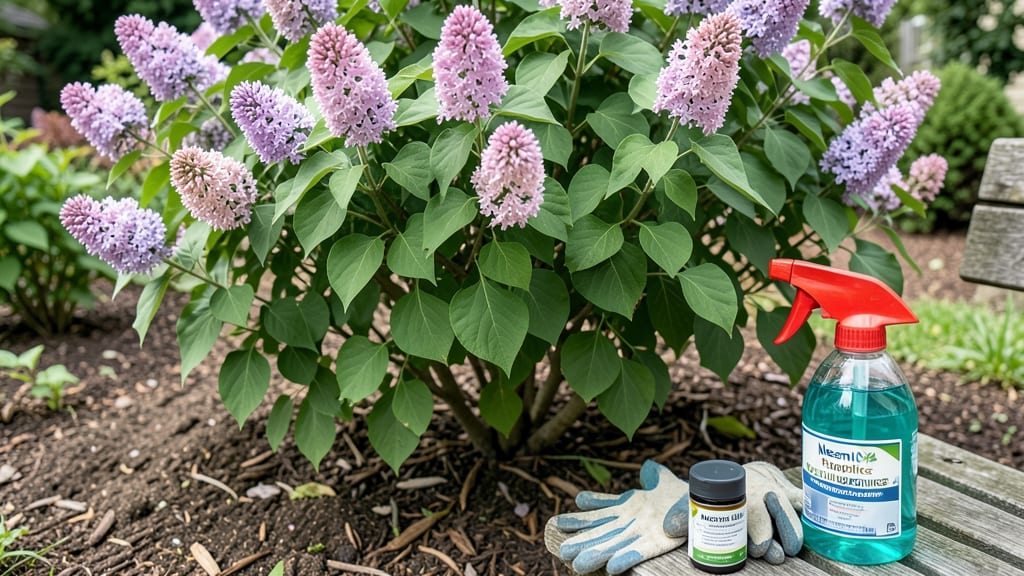
Fungicide for lilac bushes saves your spring blooms from turning into a mildewed mess. 🌿 I’ve watched powdery white fuzz and brown spots ruin entire bushes—until I learned the 3-step spray schedule that stops fungal spread before it takes hold. The key?
Catching early signs, choosing the right fungicide, and applying it at the perfect time. Most gardeners wait too long, but the best fungicides work when you see the first speck of white on leaves.
Organic options like neem oil or baking soda spray are great for prevention, while chemical fungicides like chlorothalonil tackle severe infections. I’ve used both—neem for light cases, chemicals only when the bush looks like it’s fighting for its life.
By the end of the season, your lilacs will stay vibrant and healthy, with fewer spots and more blooms. The secret isn’t just spraying—it’s timing. Apply fungicide in early spring, after blooms, and during rainy seasons to keep those fungal spores from winning.
Works for powdery mildew, leaf spot, and even botrytis. Here’s how to pick the right one and apply it like a pro.
Underlying Causes of Lilac Fungus
Lilac bushes are prized for their fragrant blooms and lush foliage, but fungal infections can quickly turn their beauty into a sad, wilting mess. Understanding why these issues arise is the first step to preventing them. Here’s a breakdown of the most common culprits—and the science behind their attacks.
---
Fungi thrive in damp conditions, and lilacs are particularly vulnerable when their roots sit in soggy soil. Here’s why this happens:
- Overwatering or Heavy Rainfall: Lilacs prefer well-drained soil, but prolonged saturation (especially in clay-heavy soils) creates the perfect breeding ground for pathogens like Botrytis blight and powdery mildew.
Fungal spores germinate in moisture, forming a network of hyphae that invade plant tissues. - Compacted Soil: Poor drainage isn’t just about water—it’s also about air. Compacted soil restricts oxygen flow to roots, weakening the bush’s natural defenses.
A stressed lilac is an easy target for fungal invaders. - Fungal Spores in Standing Water: Even a small puddle near the base of your bush can harbor spores. Once airborne (thanks to wind or splashing), they land on leaves and stems, ready to infect.
Actionable Fix: Amend soil with compost or sand to improve drainage, and water at the base (not overhead) to avoid wetting foliage.
---
Lilacs don’t just get fungus from the ground—they’re also at risk from airborne spores. Here’s how it spreads:
- Windborne Spores: Fungal spores (like those from powdery mildew or anthracnose) can travel miles on wind currents.
Once they land on lilac leaves, they germinate in warm, humid conditions (ideal in late spring/early summer). - Spores from Infected Plants: Nearby infected shrubs, trees, or even weeds can release spores that jump to your lilacs.
For example, Septoria leaf spot often starts on infected leaves and spreads via splashing water or garden tools. - Dormant Spores in Soil: Some fungi (like Armillaria root rot) lie dormant in soil for years, waiting for the right conditions—poor drainage, stress, or injury—to activate.
Actionable Fix: Space lilacs 3–5 feet apart for airflow, and remove fallen leaves/debris promptly to starve spores of a home.
---
Fungi love warmth and moisture—two conditions that often coincide in lilac-growing zones. Here’s the science:
- Temperature Sweet Spot: Most fungal pathogens (e.g., powdery mildew) thrive between 60–80°F (15–27°C). If your lilacs are blooming during a heatwave with high humidity, expect rapid spore germination. - Nighttime Dew: Dew on leaves creates a film of water, extending moisture exposure.
Fungi like Botrytis exploit this by forming protective structures called appressoria, which pierce leaf surfaces. - Slow-Drying Foliage: Thick or crowded canopies trap humidity, delaying leaf drying. This gives fungi more time to colonize before the plant can mount a defense.
Actionable Fix: Water early in the day so foliage dries by evening, and prune for airflow to reduce humidity pockets.
--- A weakened lilac is like an open invitation for fungi. Common stressors include:
- Physical Damage: Pruning wounds, hail, or pest bites create entry points for pathogens. For example, Cytospora canker often infects through pruning cuts left too long. - Nutrient Deficiencies: Lack of phosphorus or potassium weakens cell walls, making them easier for fungi to penetrate.
Yellowing leaves (a sign of nitrogen deficiency) also signal stress. - Improper Pruning: Cutting too late in the season (after buds form) or using dull tools can stress the plant, inviting infections like powdery mildew.
Actionable Fix: Prune in early spring (before buds swell), sterilize tools with rubbing alcohol, and fertilize with a balanced formula (e.g., 10-10-10).
--- Lilacs need full sun (6+ hours/day) and space to breathe. When deprived:
- Reduced Air Circulation: Crowded bushes create a humid microclimate, ideal for powdery mildew. Poor airflow also delays drying after rain. - Shade-Loving Fungi: Some fungi (like Septoria) prefer lower light levels.
Shady spots keep leaves damp longer, accelerating infection. - Competition for Resources: Nearby plants or mulch piled against the stem can smother roots, weakening the lilac’s resistance.
Actionable Fix: Plant lilacs in full sun with 3–5 feet of clearance, and avoid thick mulch around the stem.
--- Even with perfect care, lilacs can fall prey to fungi if not protected proactively. Here’s why:
- No Preemptive Strike: Fungi spread faster than they’re visible. Without a preventive fungicide (like neem oil or copper-based sprays), spores can establish before you notice symptoms. - Resistant Strains: Some fungi (e.g., anthracnose) develop resistance to single treatments.
Rotating fungicides (e.g., alternating copper and sulfur) is key. - Delayed Treatment: Waiting until symptoms appear means the fungus is already spreading. Spores can reinfect the plant or jump to neighbors.
Actionable Fix: Apply a preventive fungicide (like myclobutanil or potassium bicarbonate) every 2–4 weeks during peak fungal season (spring to early summer).
Fixing Fungal Issues in Lilac Bushes
Now that you know the common causes behind fungal infections in your lilac bushes, it’s time to take action! The good news is that with the right approach, you can restore your shrubs to their vibrant, healthy selves.
Below, we’ll break down practical solutions for each issue, from immediate fixes to long-term prevention. Think of this as your lilac bush’s recovery plan—simple, effective, and easy to follow.
---
Powdery mildew is one of the most recognizable fungal foes, appearing as a white, powdery coating on leaves. Here’s how to tackle it:
#### 🔥 Step 1: Prune the Problem Areas - 👨🍳 Remove infected leaves and stems using clean, sharp pruners.
Dispose of them in the trash (not the compost)—this stops the fungus from spreading. - ⏰ Do this in the morning when the air is humid, so the bush has time to dry out.
#### 🥘 Step 2: Clean Up the Canopy - 💡 Mix a solution of 1 tablespoon baking soda + 1 teaspoon dish soap + 1 gallon of water in a spray bottle. - 🌧️ Spray the undersides of leaves (where mildew loves to hide) thoroughly.
Repeat every 7–10 days until the issue clears.
#### 🔄 Step 3: Prevent Future Outbreaks - 🌡️ Improve airflow by spacing bushes 3–5 feet apart and pruning to open the center. - ✨ Water at the base (not overhead) and avoid late-day watering to keep foliage dry.
---
Leaf spots show up as dark, irregular patches with yellow halos. These spots weaken your lilacs over time, so act fast!
#### 🔪 Step 1: Remove Severely Damaged Foliage - 🍃 Snip off leaves with large spots (small spots may heal if caught early). - 🗑️ Bag and discard infected debris—don’t let it mulch into the soil.
#### 🌿 Step 2: Apply a Fungicide - 💡 Use a copper-based fungicide or neem oil (both are organic and effective). - 🌧️ Spray in the early morning or evening to avoid burning leaves in direct sunlight. - 📅 Reapply every 2–3 weeks until new growth appears healthy.
#### 🎯 Step 3: Strengthen the Bush’s Defenses - 💪 Fertilize lightly with a balanced 10-10-10 or compost tea to boost immunity. - 🌱 Mulch with 2–3 inches of organic mulch (like shredded bark) to prevent spores from splashing up.
---
Root rot is sneaky—it starts underground and can kill your lilac if left unchecked. Here’s how to save it:
#### 💦 Step 1: Check the Soil - 🌧️ Dig around the base to see if the roots are mushy or black (signs of rot). Healthy roots should be firm and white. - 📊 If drainage is poor, amend the soil with sand or perlite to improve aeration.
#### 🔄 Step 2: Adjust Watering Habits - ⏰ Water deeply but infrequently—lilacs hate soggy feet! Aim for 1–1.5 inches of water per week (including rain). - 🌡️ Avoid watering in the evening to prevent fungal growth overnight.
#### 🌱 Step 3: Revive the Bush - 💡 If roots are salvageable, prune back any dead branches and fertilize with a low-nitrogen, high-phosphorus formula (like 5-10-10) to encourage root regrowth. - 🌿 Consider transplanting if the soil is consistently waterlogged—choose a sunnier, well-draining spot.
---
No one wants to play whack-a-mole with fungi! These proactive steps will keep your lilacs thriving:
- 🌿 Prune in late winter or early spring (never during wet seasons) to reduce fungal entry points. - 🌡️ Space bushes properly (3–5 feet apart) for better airflow. - 🍃 Clean up fallen leaves and debris regularly—fungi love hiding in leaf litter. - 💡 Use a fungicide preventatively in early spring (before buds swell) if your area is prone to fungal issues. - 🌱 Choose resistant varieties like ‘Dwarf Korean Lilac’ or ‘Miss Kim’ if fungi are a recurring problem.
--- Remember: Consistency is key! Fungal issues won’t disappear overnight, but with these steps, your lilac bushes will bounce back stronger than ever. 🌸💪
Frequently asked questions
What’s the best time of year to apply fungicide to lilac bushes?
Start with a preventive spray in early spring (just as buds swell) to stop fungal spores before they take hold. Follow up with applications every 2–4 weeks during peak fungal season (spring to early summer). If you spot powdery mildew or leaf spots, treat immediately—don’t wait for symptoms to spread!
Can I use the same fungicide year after year?
No, fungi can develop resistance over time. Rotate between copper-based fungicides, neem oil, and potassium bicarbonate to keep pathogens guessing. For example, use copper in spring, switch to neem in summer, and finish with potassium bicarbonate in fall. This 3-step rotation keeps your lilacs protected long-term.
How do I know if my lilac bush needs fungicide or just better care?
Check for white powdery coatings (powdery mildew), dark spots with yellow halos (leaf spot), or mushy, black roots (root rot). If you see these signs, fungicide is needed. For prevention, focus on proper spacing (3–5 feet apart), pruning for airflow, and watering at the base—these steps often reduce fungal risks without chemicals.
Are homemade fungicides as effective as store-bought ones?
Homemade options like baking soda spray (1 tbsp baking soda + 1 tsp soap per gallon of water) or neem oil work well for early-stage infections or prevention. However, severe cases (like botrytis blight) often need chemical fungicides like chlorothalonil or myclobutanil for full control. Test homemade remedies on a small area first!
Will fungicide harm bees or other pollinators?
Most fungicides are not toxic to bees when applied correctly, but avoid spraying during peak bloom times (when lilacs are covered in flowers). Opt for organic options like neem oil or copper, which are safer for pollinators. Always follow label instructions and apply in the early morning or evening when bees are less active.