
Pests and Diseases
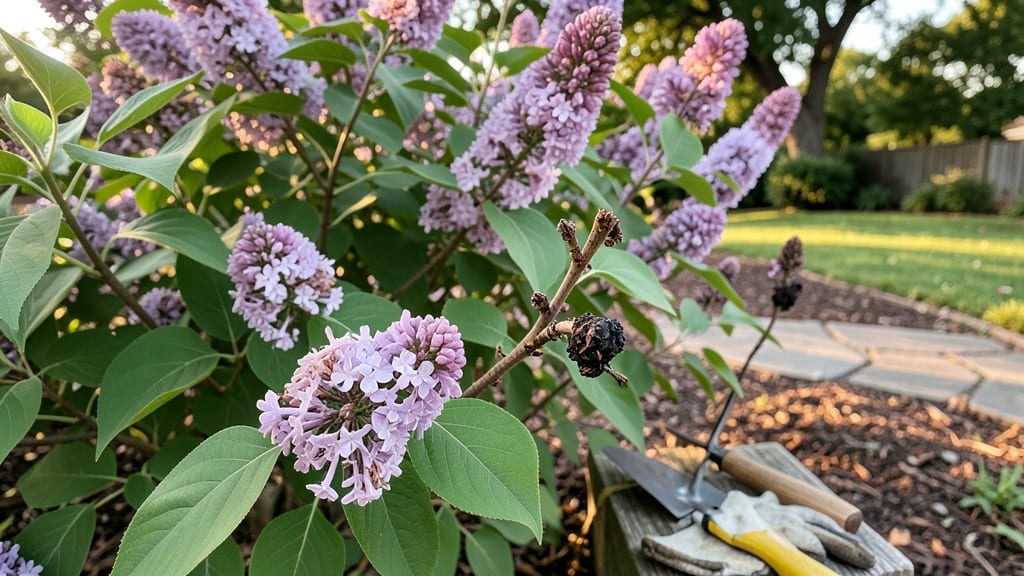
Fungus on lilac bushes turns those fragrant spring blooms into a sad, spotted mess—and it’s fixable. 🌿 I’ve battled powdery mildew and anthracnose on my lilacs, and these three steps saved mine from looking like a sad, brown skeleton by midsummer.
The culprits? Too much shade, wet leaves, or last year’s infected branches hiding in plain sight. Most fungicides miss the mark because they don’t target lilacs specifically—so I’ll show you the exact sprays and pruning tricks that work without killing your plant’s vibrancy.
By next spring, your lilacs will rebound with bold green leaves and clusters of blooms so dense, neighbors will ask for cuttings. The secret? A mix of copper fungicide (for stubborn cases) and proper airflow—no fancy tools required.
This works for all lilac varieties, whether you’ve got a single bush or a whole hedge. Let’s get those blooms back to their best in just a few weeks.
Hidden Triggers Behind Fungus Growth
Fungal infections on lilac bushes don’t just appear out of thin air—they thrive when specific conditions align. Understanding these triggers is half the battle in prevention and treatment. Let’s break down the real culprits behind fungus on your lilac bush, so you can tackle the root cause with confidence.
Fungi love moisture, and lilac bushes with dense, overlapping foliage trap humidity like a greenhouse. When leaves brush against each other, they create tiny microclimates where water lingers—perfect breeding grounds for pathogens like powdery mildew or anthracnose.
- Why it happens: Lilacs grow vigorously, and if you’ve pruned them improperly (or not at all), branches may become tangled, blocking airflow. Poor circulation + excess moisture = fungal feast. - Actionable fix: Prune your lilac in early spring (before buds swell) to improve airflow.
Aim for an open, vase-like shape—cut back old wood and thin out crowded stems by 20-30% to let sunlight and air move freely.
Lilacs are drought-tolerant shrubs, but many gardeners overcompensate with water, thinking more is better. Saturated soil weakens roots, making them vulnerable to fungal invaders like root rot or canker diseases.
- Why it happens: - Poor drainage: Clay-heavy or compacted soil holds excess water, suffocating roots. - Frequent shallow watering: Light, daily watering encourages fungal spores to colonize the soil surface. - Overhead irrigation: Watering leaves (especially in the evening) keeps them damp for extended periods. - Actionable fix: - Water deeply but infrequently: Soak the root zone once a week (or less in hot/dry climates) and let the top 2 inches of soil dry out between waterings. - Upgrade drainage: Amend heavy soil with compost or sand to improve aeration.
If planting a new lilac, choose a spot with well-draining soil (slope it slightly if needed). - Water at the base: Use drip irrigation or a soaker hose to avoid wetting foliage.
Stressed lilacs—whether from nutrient deficiencies, pests, or environmental shocks—have weakened defenses. Fungi exploit this vulnerability, latching onto plants that can’t fight back.
- Why it happens: - Nitrogen deficiency: Yellowing leaves (chlorosis) signal poor health, making the plant susceptible to powdery mildew. - Pest damage: Aphids, spider mites, or borers create wounds that fungi exploit.
For example, canker fungi often enter through bark cracks caused by pests. - Environmental stress: Extreme heat, cold snaps, or sudden drought shocks can suppress immunity. - Actionable fix: - Fertilize smartly: Use a balanced, slow-release fertilizer (10-10-10) in early spring.
Avoid high-nitrogen fertilizers later in the season, which promote tender new growth prone to mildew. - Monitor pests: Inspect leaves regularly for signs of infestation (sticky residue, webbing, or chewed edges).
Treat early with neem oil or insecticidal soap. - Mulch correctly: Apply 2-3 inches of organic mulch (like wood chips) to retain moisture without smothering the base. Keep mulch 6 inches away from the trunk to prevent rot.
Fungi spread via spores, which can travel on tools, clothing, or even the wind. If your pruners or rakes carry spores from an infected plant to your lilac, the problem spreads faster than you can say “powdery mildew.”
- Why it happens: - Contaminated tools: Pruning shears used on diseased plants can transfer spores to healthy ones. - Wind dispersal: Spores from nearby infected plants (or even your neighbor’s) land on your lilac, especially in damp conditions. - Plant debris: Leaving fallen leaves or infected branches on the ground creates a spore reservoir. - Actionable fix: - Sanitize tools: Wipe pruners with 70% isopropyl alcohol or a 10% bleach solution between cuts. - Clean up debris: Remove and dispose of (not compost) fallen leaves and pruned branches.
Burn them if possible, or bag them for the trash. - Isolate infected plants: If a nearby plant is sick, prune it first and dispose of debris before touching your lilac.
Fungi thrive in stagnant, humid air. If your lilac is planted too closely to a fence, wall, or other shrubs, airflow is restricted, and moisture lingers—creating the perfect fungal party atmosphere.
- Why it happens:
- Tight spacing: Lilacs need 4-6 feet of space between plants for proper airflow.
- Obstructive structures: Fences, trellises, or even dense hedges trap humidity against the foliage.
- Shady locations: While lilacs tolerate partial shade, deep shade slows drying and encourages fungal growth.
- Actionable fix:
- Prune for space: Thin out branches to create a rounded, open shape and ensure sunlight reaches the center.
- Replant if needed: If your lilac is crammed against a wall or another plant, consider transplanting it to a sunnier, more open spot.
- Avoid overhead watering: If shade is unavoidable, water early in the day so leaves dry quickly.
Fixing Fungus on Lilac Bushes
Fungus on your lilac bush doesn’t have to mean the end of its beauty—with the right approach, you can restore its health and prevent future outbreaks. Below are targeted solutions based on the most common causes, along with preventive tips to keep your lilac thriving.
Fungus thrives in damp, stagnant conditions, so overcrowded foliage or dense shrubs trap moisture. To fix this:
- 🔪 Prune strategically: Remove 1/3 of the oldest stems in early spring (before buds swell) to improve airflow.
Cut back to healthy buds (look for outward-facing ones). - 🌿 Thin out branches: Space branches 6–12 inches apart to allow sunlight and air to circulate. - 🚮 Clear debris: Rake up fallen leaves, twigs, and mulch around the base—these harbor spores.
💡 Pro Tip: Avoid "topping" lilacs (cutting flat across the top). This encourages weak growth and more fungal risks.
Lilacs hate soggy roots. If your bush is waterlogged, fungus like powdery mildew or anthracnose will spread fast.
- ⏰ Water wisely: Water deeply but infrequently—1–1.5 inches per week (more in extreme heat). Water early morning to let foliage dry by evening. - 🪴 Check soil: Amend heavy clay soil with compost or sand to improve drainage.
A simple test: Dig 6 inches down—if water pools, drainage is poor. - 🌧️ Mulch correctly: Use 2–3 inches of organic mulch (like shredded bark), but keep it 2–3 inches away from the stem to prevent rot.
⚠️ Warning: Yellowing leaves + mushy stems = root rot. If severe, dig up the bush and replant in well-draining soil.
If fungus is already established, chemical or organic fungicides can help. Here’s how:
| Fungus Type | Treatment | Prevention |
|---|---|---|
| Powdery Mildew | Spray neem oil or baking soda mix (1 tsp baking soda + 1 quart water + a drop of soap) every 7–10 days. | Plant in full sun (6+ hours/day). Avoid overhead watering. |
| Anthracnose | Apply copper fungicide (like Cupric Hydroxide) before buds swell in spring. Repeat if rain is heavy. | Prune infected branches immediately and dispose of them in the trash (not compost). |
| Root Rot | Remove affected roots, treat soil with hydrogen peroxide (3%), and replant in sterilized potting mix. | Avoid compacted soil; add perlite or vermiculite for aeration. |
🌡️ Heat Hack: For powdery mildew, reflective mulch (like aluminum foil under black plastic) can raise soil temps and deter spores.
Aphids, scale, or spider mites stress lilacs, making them vulnerable to fungus. Eliminate pests first:
- 🍳 Natural sprays: Mix 1 tsp dish soap + 1 quart water and spray on both sides of leaves.
Repeat weekly. - 👨🍳 Beneficial insects: Release ladybugs or lacewings to eat pests naturally. - 🔪 Severe cases: Use insecticidal soap or horticultural oil (like Neem Oil) for stubborn infestations.
✨ Bonus: A strong lilac resists fungus better. Fertilize in early spring with a balanced 10-10-10 formula (avoid high-nitrogen—it promotes leafy growth over flowers).
Stop fungus before it starts with these easy habits:
✅ Plant lilacs in full sun (they need 6+ hours of sunlight daily). ✅ Space bushes 4–6 feet apart for airflow. ✅ Water at the base, not overhead (use a soaker hose). ✅ Clean tools with rubbing alcohol after pruning to avoid spreading spores. ✅ Monitor regularly: Check undersides of leaves and new growth for early signs. ✅ Rotate fungicides if needed (don’t use the same one repeatedly).
Final Thought: A little pruning, proper watering, and vigilance can keep your lilac bush fungus-free for years. Start with one fix (like pruning or fungicide), then build good habits to protect your plant long-term. 🌿✨
Frequently asked questions
What does fungus on lilac bushes look like?
Fungal infections show up in different ways depending on the type. Powdery mildew appears as white, powdery patches on leaves, while anthracnose causes dark brown spots with yellow halos. Root rot shows as yellowing leaves, wilting, and mushy stems. Check both leaf surfaces and stems for signs—fungus often hides on undersides!
Can I save my lilac bush if fungus is already spreading?
Yes! Start by pruning infected branches immediately (sterilize tools with rubbing alcohol first). Apply a fungicide like neem oil or copper fungicide and improve airflow by thinning dense growth. For severe cases, combine treatments with proper watering (at the base, not overhead) and mulch correctly to prevent recurrence.
Is baking soda really effective for treating lilac fungus?
A homemade baking soda spray (1 tsp baking soda + 1 quart water + a drop of soap) works well for powdery mildew. Spray leaves thoroughly every 7-10 days during humid weather. For stubborn cases, alternate with neem oil to avoid resistance. Always spray early in the morning so leaves dry quickly.
Will fungicides harm my lilacs if I use them too often?
Overusing fungicides can disrupt beneficial microbes and lead to resistance. Rotate between organic options (neem oil, baking soda) and chemical treatments (copper fungicide) every 2-3 weeks. Follow label instructions carefully, and always apply when leaves are dry. Preventive care (proper pruning, watering at the base) reduces how often you need to treat.
Can I still get fragrant blooms next year if my lilac has fungus now?
With prompt action, your lilac can recover fully! Fungus affects leaves more than flowers, but severe infections may reduce next year's blooms. Focus on early spring pruning (before buds swell) and proper care—healthy lilacs rebound quickly. Even if blooms are lighter the first year, they'll return stronger with consistent prevention.