
Fertilization
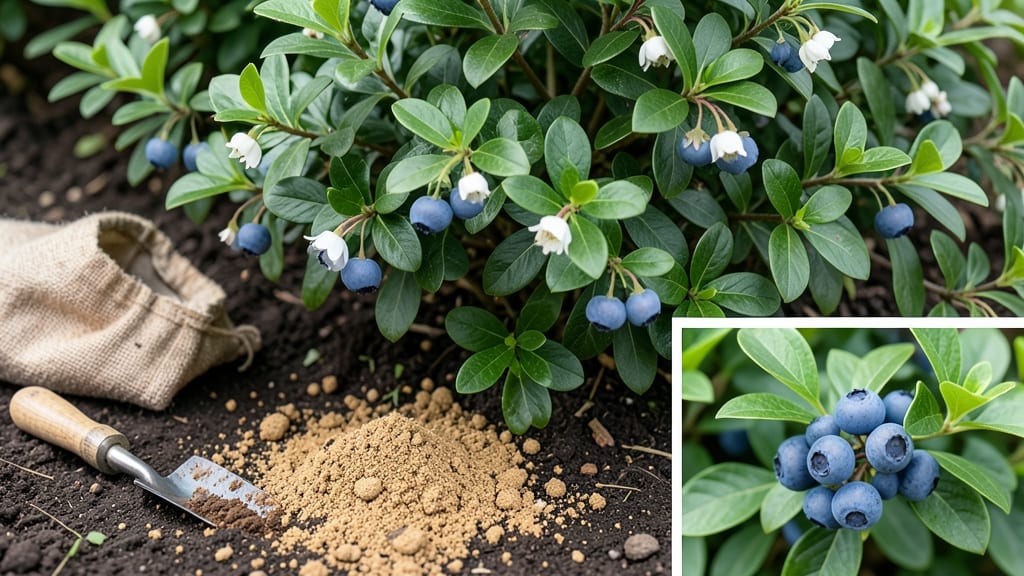
Blueberry bushes do like coffee grounds because they acidify soil and add nitrogen, but you must use them carefully—too many can smother roots or create mold. Apply a thin layer around plants in early spring or fall, keeping it away from stems.
Blueberries crave acidic soil with a pH between 4.5 and 5.5, and coffee grounds help achieve this naturally. 🌱 The caffeine and organic acids in used grounds break down over time, releasing nutrients while lowering pH levels.
I've found that mixing them into compost first prevents clumping and reduces the risk of fungal growth near the roots. Just remember: fresh coffee grounds can attract pests, so always compost them for at least a month before using.
For best results, combine coffee grounds with other organic matter like pine needles or oak leaves. This creates a balanced mulch that retains moisture while gradually releasing nutrients.
I typically spread about 1–2 inches per season, working it into the top layer of soil rather than piling it directly against the bush. This mimics natural forest floor conditions where blueberries thrive.
💡 In This Article
- Why Coffee Grounds Benefit Acid-Loving Blueberry Bushes
- Best Practices for Applying Coffee Grounds to Blueberries
Why coffee grounds benefit acid-loving blueberry bushes
The magic happens because coffee grounds contain organic acids like tannins and chlorogenic acid, which gradually break down in soil to release hydrogen ions.
This chemical process lowers the pH from neutral (around 7.0) to the ideal 4.5–5.5 range that blueberries crave. 🌱 Think of it like a slow-release acidifier—similar to how sulfur amendments work, but with the added bonus of nitrogen from decomposing grounds.
A single cup of used coffee grounds can raise soil acidity by about 0.2–0.5 pH units over several months, depending on your soil type.
Nitrogen is another key player here. Coffee grounds contain about 1.5–2.5% nitrogen by weight, which feeds the microbial life in your soil. These microbes then convert the nitrogen into forms your blueberry bushes can absorb, like ammonium and nitrate.
This nitrogen boost helps produce lush green leaves and more energy for fruit production. However, the nitrogen release happens slowly—unlike synthetic fertilizers—which means you won't get a quick growth spurt that can lead to weak, disease-prone plants.
But there's a catch: coffee grounds are bulky and can compact soil if used in excess. When they decompose, they create a dense, almost clay-like texture that restricts root growth and water drainage.
This is why experts recommend mixing them with coarser organic matter, like wood chips or composted leaves, to maintain soil aeration. Too much coffee grounds can also create a perfect environment for mold and fungal diseases, which is why I always compost them first for 4–6 weeks before applying.
For comparison, peat moss is another popular soil acidifier, but it's non-renewable and can dry out quickly. Coffee grounds, on the other hand, improve soil structure over time while providing a steady supply of nutrients.
The key is balance—too little won't make a difference, but too much can harm your plants. Aim for about 10–20% coffee grounds in your compost mix, with the rest being other organic materials.
One sensory clue to watch for is the smell. Fresh coffee grounds have a strong, earthy aroma that fades as they decompose.
If you notice a sour or musty odor after applying them, it's a sign that too much is breaking down at once, which can indicate overuse or poor soil drainage. 💫 In this case, mix in more carbon-rich materials like straw or shredded newspaper to balance the mix.
Finally, remember that blueberries are native to acidic environments like bogs and wetlands, where organic matter like pine needles and sphagnum moss naturally acidify the soil. Coffee grounds mimic this effect, but they're not a complete substitute for all the nutrients found in those natural habitats.
That's why I always recommend supplementing with a balanced organic fertilizer in early spring to ensure your bushes get everything they need.