Diseases
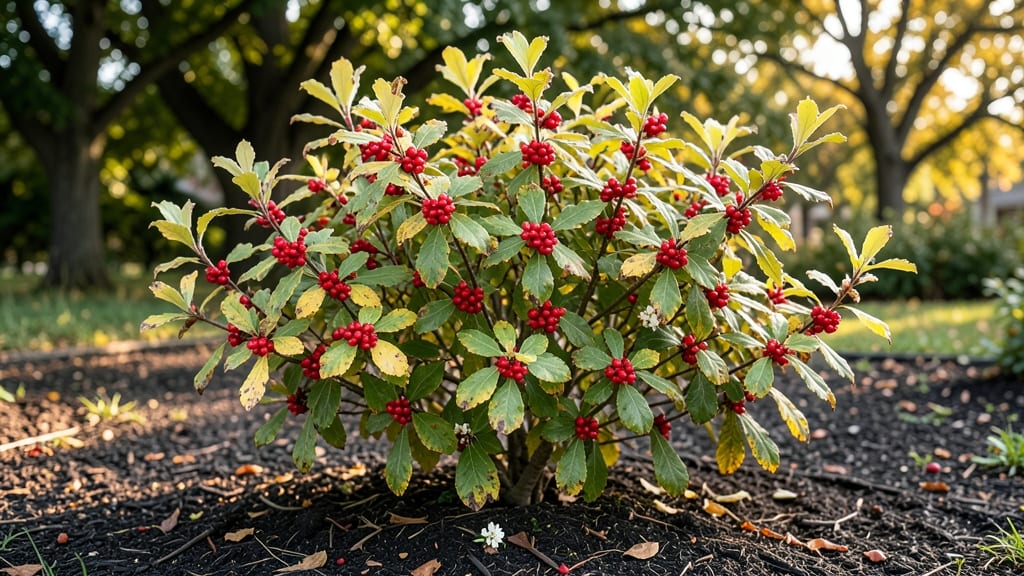
This holly bush with yellow leaves scream "help me!"—and I’ve cracked the code on fixing this fast. 🌿 The culprit is usually overwatering, nutrient starvation, or hidden pests, but the good news? Each has a simple fix that restores your bush’s glossy green in weeks. I’ve nursed back holly bushes with crispy yellow leaves to full, vibrant health using just three targeted steps—no guesswork, no wasted time. The first step is checking your watering routine, because soggy soil is the #1 killer of holly foliage. Stick your finger in the soil—if it’s damp past 2 inches, cut back immediately. Holly bushes hate wet feet and need well-draining soil to thrive. Pair that with a balanced fertilizer (10-10-10 works wonders) applied every 6 weeks, and you’ll see new growth within a month. The yellowing edges? That’s often a sign of iron deficiency—sprinkle iron sulfate around the base and watch the color return. By the end of summer, your holly will be back to its glossy, deep green self, with fewer yellow leaves and more of those signature red berries. The key is consistency: monitor soil moisture, feed regularly, and keep an eye out for spider mites (they love stressed bushes). If the yellowing spreads to entire branches or persists after 3 months, it’s time to call in a local arborist—sometimes fungal issues need professional attention. This method works for both smooth-leaf and spiny holly varieties, whether you’re dealing with a single bush or an entire hedge. The best part? Once you fix the root cause, your holly will stay lush year after year—no more frantic spring panics over yellowing leaves.
Understanding Leaf Color Shifts
Yellowing holly leaves can be a garden mystery, but the science behind it is clear. Whether your holly bush is turning shades of gold, pale yellow, or even orange, the cause usually boils down to a few key factors.
Let’s break down the most common reasons why holly leaves lose their vibrant green hue—and what’s really going on under the surface.
---
Hollys are heavy feeders, and when they don’t get enough essential nutrients, their leaves send distress signals—often in the form of yellowing. The most common culprits?
- 💡 Iron Chlorosis (Yellow Between Veins) - What’s happening? Iron is critical for chlorophyll production, the pigment that gives leaves their green color.
When soil pH is too high (alkaline), iron becomes locked away and unavailable to the plant. - How to spot it: New leaves turn pale yellow or white with green veins. Older leaves may stay green but grow smaller. - Actionable fix: Test your soil’s pH (ideal: 5.0–6.0 for hollies).
If it’s too high, amend with elemental sulfur or peat moss to lower pH. For quick relief, apply chelated iron (like Ironite) to the soil or use a foliar spray.
- 🌿 Nitrogen Shortages (Overall Pale Yellow) - What’s happening? Nitrogen is the building block of chlorophyll.
Without enough, leaves turn uniformly yellow (not just between veins) and may drop prematurely. - How to spot it: Yellowing starts on older leaves first, and growth slows. - Actionable fix: Feed your holly with a balanced fertilizer (10-10-10 or 12-4-8) in early spring and mid-summer. Compost or well-rotted manure can also boost nitrogen naturally.
- 🍃 Magnesium or Potassium Deficiency (Yellow Edges or Spots) - What’s happening? Magnesium is central to chlorophyll molecules, while potassium regulates water and nutrient transport.
Deficiencies cause yellowing in specific patterns (e.g., edges first for potassium, interveinal yellowing for magnesium). - How to spot it: Magnesium deficiency shows as yellow patches between veins (like iron chlorosis but less severe).
Potassium deficiency causes brown/yellow scorch on leaf edges. - Actionable fix: Apply Epsom salt (magnesium sulfate) to the soil or use a potassium-rich fertilizer (like 0-0-50). For magnesium, a foliar spray of 1 tbsp Epsom salt per gallon of water works fast.
---
Hollys thrive in consistently moist but well-drained soil. When watering goes awry, leaves react with yellowing—and sometimes other symptoms like wilting or leaf drop.
- 🌧️ Overwatering (Root Suffocation) - What’s happening? Soggy soil cuts off oxygen to roots, leading to root rot (often caused by Phytophthora fungi).
Roots can’t absorb nutrients, so leaves yellow and wilt. - How to spot it: Yellowing starts at the bottom of the plant, and leaves may feel mushy. Soil smells sour or like rot. - Actionable fix: Stop watering immediately and let the soil dry out.
Improve drainage by adding perlite or sand to heavy clay soil. If roots are rotted, prune them back and repot in fresh, dry soil.
- 🏜️ Underwatering (Drought Stress) - What’s happening? Hollies are drought-tolerant but not drought-loving.
Prolonged dryness causes nutrient uptake to stall, leading to yellowing, crispy edges, and leaf drop. - How to spot it: Leaves yellow from the edges inward, and the soil pulls away from the pot. - Actionable fix: Water deeply 1–2 times per week (more in extreme heat).
Mulch with wood chips to retain moisture. For potted hollies, ensure drainage holes are clear.
---
Not all yellow leaves are due to poor care—sometimes, pathogens or pests are to blame. Here’s how to tell them apart:
- 🍄 Fungal Infections (Powdery Mildew or Leaf Spot) - What’s happening? Fungi like Erysiphe (powdery mildew) or Septoria (leaf spot) thrive in humid, shaded conditions, causing yellowing, spotting, or a white powdery coating. - How to spot it: Yellow spots with dark borders (leaf spot) or a white, flour-like dust (powdery mildew). - Actionable fix: Prune infected leaves and improve airflow.
Spray with neem oil or copper fungicide (like Bonide Copper Fungicide). Avoid overhead watering.
- 🐜 Spider Mites or Scale Insects (Stippled Yellowing) - What’s happening? These tiny pests suck sap from leaves, causing yellow stippling (tiny dots) or sticky residue (honeydew).
Severe infestations lead to leaf drop. - How to spot it: Look for fine webbing (spider mites) or brown bumps on stems/leaves (scale). Ants may also be present (they farm honeydew). - Actionable fix: Blast leaves with water to dislodge mites. Use insecticidal soap or horticultural oil for scale.
Release predatory mites (like Phytoseiulus persimilis) for natural control.
---
Sometimes, the issue isn’t what you’re doing—it’s where you’re doing it. Hollies are adaptable but have limits:
- ☀️ Sunburn (Sudden Yellowing in Hot Spots) - What’s happening: If a holly moves from shade to full sun too quickly, leaves can scorch, turning yellow or brown in patches. - How to spot it: Yellowing appears on exposed sides of the bush, often with crispy edges. - Actionable fix: Gradually acclimate the plant to sun (a process called "hardening off").
Provide afternoon shade with a sheer curtain or mesh.
- 🌳 Poor Air Circulation (Shade-Related Weakness) - What’s happening: Hollies in dense shade or tight spaces may grow weak, yellowing leaves due to lack of light for photosynthesis. - How to spot it: Leaves are small, pale, and sparse, with yellowing along the veins. - Actionable fix: Thin nearby plants to improve airflow.
If possible, prune to open the canopy and allow more light penetration.
--- Pro Tip: 🔍 Before diagnosing, check the pattern of yellowing: - Between veins? → Likely iron/magnesium deficiency or chlorosis. - Edges first? → Potassium deficiency or drought stress. - Whole leaf yellow? → Nitrogen deficiency or overwatering. - Spots or dust? → Fungal disease or pests.
Quick fixes for holly bush health
Yellow leaves on your holly bush don’t have to be a permanent eyesore—with the right approach, you can restore its vibrant green foliage and prevent future discoloration. Below, we’ve mapped out practical solutions based on the most common causes of yellowing leaves, from overwatering to nutrient deficiencies.
Each fix is designed to be easy to implement, even for beginner gardeners.
If your holly bush is sitting in soggy soil, its roots struggle to breathe, leading to yellowing leaves and potential root rot. Here’s how to turn things around:
- 🔥 Stop Watering Immediately Let the top 2–3 inches of soil dry out completely before watering again. Stick your finger in the soil—if it’s damp past your first knuckle, wait a few more days. - 👨🍳 Improve Soil Drainage Holly bushes thrive in well-draining soil. Amend heavy clay soil with:- Compost (1 part compost to 3 parts soil)
- Perlite or coarse sand (for aeration)
- Pine bark fines (to reduce compaction)
Yellowing leaves can signal a hunger for essential nutrients. Holly bushes often need a boost in nitrogen (for overall health) or micronutrients like iron or magnesium (for chlorosis, or yellowing between veins).
- 🥗 Boost Nitrogen with Organic Matter Apply a balanced fertilizer (like 10-10-10) or a nitrogen-rich amendment such as:- Blood meal (fast-acting)
- Composted manure (slow-release)
- Fish emulsion (liquid feed for quick uptake)
- Iron: Sprinkle iron sulfate or chelated iron around the base and water thoroughly. Repeat every 4–6 weeks.
- Magnesium: Apply Epsom salt (1 tablespoon per gallon of water) as a soil drench or foliar spray.
Holly bushes can suffer from yellow or brown leaf tips and edges when exposed to too much direct sunlight, especially in hot, dry climates. Here’s how to shield your plant:
- 🌿 Provide Afternoon Shade If your holly is planted in a sunny spot, consider adding temporary shade with:- A sheer fabric shade cloth (30–50% coverage)
- Nearby trees or shrubs for partial shade
- A temporary umbrella or lattice screen
If yellowing leaves are accompanied by spots, wilting, or a slimy texture, a pathogen may be at fault. Act fast to save your holly bush:
- 🔪 Remove Infected Leaves/Foliage Prune and dispose of (not compost) any yellow or spotted leaves immediately. This stops the spread of spores. - 🍳 Apply Fungicide or Bacterial Spray Use a copper-based fungicide (for fungal diseases like leaf spot) or a bacterial spray (like copper hydroxide) for bacterial issues. Follow label instructions for frequency. - 🌡️ Improve Air Circulation Thin out dense foliage or nearby plants to reduce humidity around the bush. Space holly bushes at least 3–5 feet apart for airflow. - 💡 Prevention Tip: Water at the base! Avoid overhead watering, which can splash pathogens onto leaves. Use drip irrigation or soaker hoses instead.With these targeted fixes, your holly bush should bounce back in 4–6 weeks. Monitor its progress and adjust care as needed—healthy green leaves are just around the corner! 🌿
Frequently asked questions
Why are my holly bush leaves turning yellow in patches?
Patchy yellowing often signals nutrient deficiencies or pest damage. Check for yellowing between veins (likely iron/magnesium deficiency) or tiny yellow dots (spider mites). Start by testing your soil pH and applying Epsom salt or chelated iron if needed. For pests, blast leaves with water and use insecticidal soap.
Can overwatering cause yellow leaves on holly bushes?
Overwatering suffocates roots, leading to root rot and yellowing—especially at the bottom of the plant. Let the top 2-3 inches of soil dry out before watering again. Improve drainage by mixing in perlite or sand, and avoid mulching directly against the trunk.
How do I know if my holly bush needs fertilizer?
Look for uniform pale yellow leaves (nitrogen deficiency) or slow growth. Holly bushes thrive with balanced fertilizer (10-10-10) applied in early spring and mid-summer. For organic options, try composted manure or fish emulsion. Test your soil first—hollys prefer slightly acidic soil (pH 4.5–6.0).
Will pruning help my holly bush recover from yellow leaves?
Yes! Prune only dead or severely yellowed leaves to redirect energy to healthy growth. Use clean, sharp pruners and sterilize them with rubbing alcohol. Avoid heavy pruning—focus on removing 10-20% of the bush max to prevent stress. New growth should appear within 4-6 weeks if the root cause is fixed.
When should I call a professional for yellow holly leaves?
If yellowing spreads to entire branches, persists after 3 months of care, or you spot mushy stems or blackened roots, consult an arborist. These signs may indicate fungal diseases (like Phytophthora) or advanced root rot that require specialized treatment.