
How To
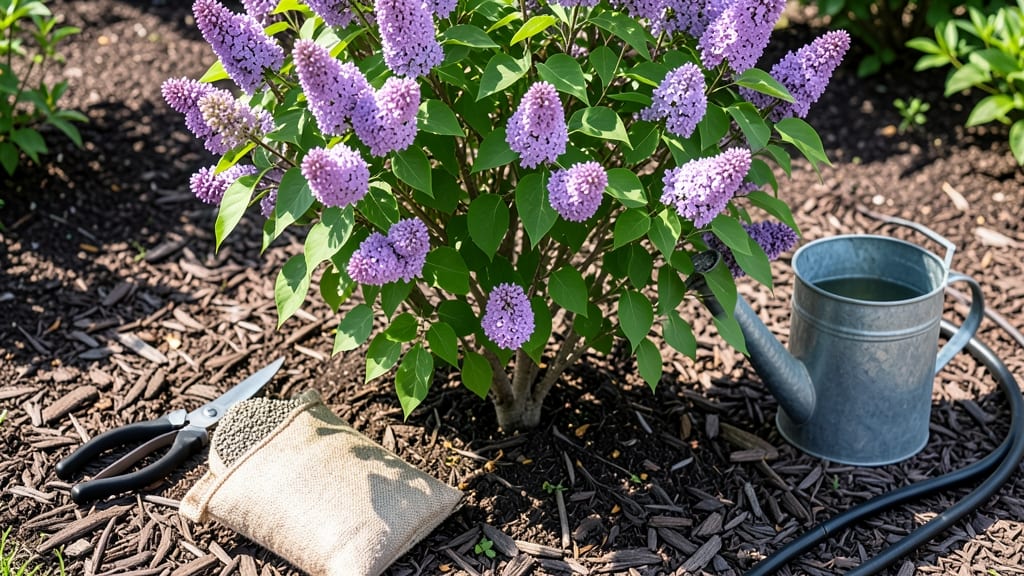
Getting your lilac bush to bloom means understanding its needs—from sunlight to pruning timing—so you don’t miss the critical window for fragrant flowers.
Your lilac bush might be hiding behind lush green foliage instead of showcasing its stunning blooms, leaving you wondering why it refuses to flower. The secret to abundant, fragrant lilac blossoms lies in timing, sunlight, and proper care, not just luck.
Many gardeners overlook the fact that lilacs bloom on old wood, meaning last year’s growth holds next year’s flowers. Cut too late or too aggressively, and you’ll prune away potential blooms before they even form.
In this guide, I’ll walk you through the exact steps to revive your lilac’s blooming potential—from pruning at the right time to adjusting sunlight and soil conditions for maximum fragrance.
When and how to prune lilac bushes for maximum blooms
If your lilac bush is loaded with leaves but refuses to bloom, the issue might be pruning timing. Lilacs flower on old wood, meaning last year’s growth produces this year’s blooms. Pruning at the wrong time can remove next year’s flowers before they even form.
Most gardeners make the mistake of pruning in fall or early spring, right when flower buds are forming. This cuts off the wood that holds next season’s blooms.
The key is to prune right after flowering, when the blooms have faded but before new buds set for next year.
Step-by-Step Lilac Pruning for Blooms
- Step 1: Wait until late spring/early summer (after blooms fade) to prune. This ensures flower buds for next year remain intact.
- Step 2: Remove dead or crossing branches first. Cut these out completely to improve airflow and shape.
- Step 3: Thin out overcrowded areas by removing 1/3 of the oldest stems at the base. This rejuvenates the bush.
- Step 4: Trim last year’s growth back to just above a leaf bud. Avoid cutting into old wood unless reviving an overgrown bush.
- Step 5: Shape the bush lightly by shortening side branches to encourage a fuller form without sacrificing next year’s flowers.
✂️ Pro Tip: Use sterilized pruners and make cuts at a 45-degree angle just above a bud facing outward.
Never prune lilacs in fall or winter, as this removes the flower buds that form during dormancy. If your bush is overgrown, you can do a rejuvenation prune in early spring, but this means no flowers that year—only do this if the bush is completely unmanageable.
For young lilacs (3 years old or younger), minimal pruning is needed. Focus on removing dead branches and shaping lightly. Older bushes benefit from rejuvenation pruning every 3–5 years to restore vigor and blooming.
After pruning, apply a layer of mulch around the base to retain moisture and protect roots. Water deeply to help the bush recover. With the right pruning technique, your lilac will reward you with abundant, fragrant blooms next spring.
If you prune at the wrong time, your lilac may produce fewer flowers or none at all. But with patience and the right approach, you’ll transform a leafy bush into a fragrant, blooming beauty in just one season.
Remember: Timing is everything with lilacs. Prune after blooms fade, and you’ll set the stage for a showstopping display next year. 🌸
5 Essential conditions for lilac bushes to flower abundantly
Lilacs thrive when their basic needs are met, but many gardeners overlook the foundational conditions that trigger those iconic blooms. While pruning sets the stage, sunlight exposure, soil chemistry, and watering habits determine whether your bush will reward you with fragrant clusters or just foliage.
Let’s break down the five non-negotiable conditions that turn a leafy shrub into a blooming powerhouse.
First, full sun exposure is non-negotiable for lilacs—think 6+ hours of direct sunlight daily. Without it, your plant will focus energy on survival rather than flowering. Even partial shade can delay or prevent blooms entirely.
Next, soil pH between 6.5 and 7.5 ensures your lilac can absorb nutrients efficiently, while well-draining soil prevents root rot that stifles growth.
🌸 5 Key Conditions for Lilac Blooms
- 🌞 Full Sun: 6+ hours of direct sunlight daily for optimal blooming.
- 🌱 Soil pH: Test and adjust to 6.5–7.5 for nutrient absorption.
- 💧 Water Balance: Deep watering once weekly (more in summer drought).
- 🌿 Fertilizer: Balanced 10-10-10 in early spring and summer.
- ❄️ Winter Protection: Mulch 3–4 inches around base to insulate roots.
Watering is another common pitfall—overwatering suffocates roots, while underwatering stresses the plant. Aim for a deep soak once weekly, adjusting for summer heat or winter dormancy. In spring, apply a light fertilizer (like 10-10-10) to kickstart growth, then feed again in summer.
Avoid fertilizing after mid-summer to prevent late-season growth that won’t harden off for winter.
Finally, winter protection is critical, especially in colder climates. Lilacs are hardy, but mulching 3–4 inches around the base insulates roots from freeze-thaw cycles. This practice also improves soil structure for next year’s blooms. Combine these five conditions, and your lilac will shift from foliage-only to a fragrant, flowering masterpiece.
Start by testing your soil’s pH—most garden centers offer kits for under $10. If your lilac lacks sunlight, consider transplanting it to a sunnier spot before next spring. Small adjustments now mean big blooms in May and June. 🌸