
Shrubs
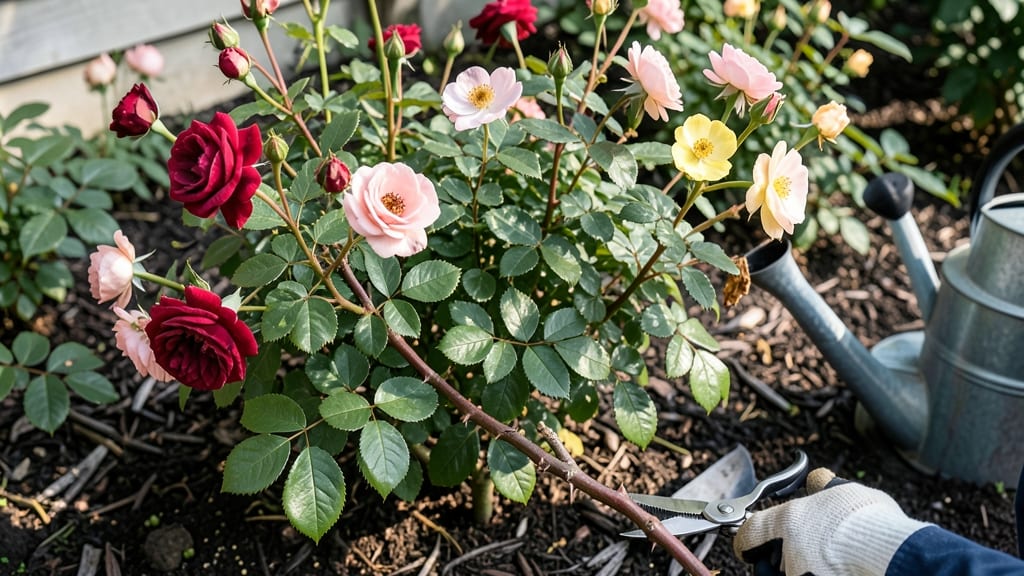
How to make a rose bush fuller—your roses could be twice as lush by next summer. ✨ The secret isn't buying fancy fertilizers—it's pruning like a pro and giving your plants the right care at the right time. I've turned my sparse roses into dense, blooming shrubs by focusing on three key moves: strategic pruning, feeding the roots, and keeping the center open for airflow.
The first step is pruning in late winter or early spring, cutting back old growth to encourage new shoots. Aim for an open center shape—this lets sunlight reach the middle of the bush, where most leaves and blooms form.
Use sharp pruners and make cuts just above a bud or outward-facing leaf. Most people over-prune, so start conservatively and adjust as you go.
You'll see the difference in just a few weeks: new green shoots pushing from the center, thicker stems, and more buds forming. By midsummer, your roses will be so full they'll block out weeds below and create a stunning focal point.
The best part? This method works for hybrid teas, floribundas, and even old garden roses.
For extra fullness, top off the season with a layer of compost around the base and a slow-release fertilizer. Water deeply once a week, and watch your roses transform from sparse shrubs into lush, blooming powerhouses.
The key is consistency—prune, feed, and water the same way every year, and your roses will reward you with year-round density.
📚 In This Guide
- What you need
- Instructions
- Tips and common mistakes
- Wrapping up and next steps
What you need
- ● Pruning shears: Sharp, bypass-style shears (avoid anvil shears—they crush stems). Size: 6–8 inches for precision.
- ● Gloves: Heavy-duty gardening gloves (thorns are no joke!). Opt for cactus or rose-specific gloves for extra protection.
- ○ Disinfectant: 70% isopropyl alcohol or a gardening-specific sanitizer (1 part bleach to 9 parts water, optional but recommended).
- ● Compost or fertilizer: Balanced 10-10-10 or rose-specific fertilizer (follow package rates). Pro tip: Add 1–2 cups of compost per bush for nutrients!
- ● Watering can or hose: With a gentle spray nozzle to avoid damaging new growth.
- ○ Stakes or supports (optional but helpful): 3–4 bamboo stakes or metal cages per bush to secure pruned branches.
- ● Pruning sealant: For larger cuts (1/4 inch or thicker) to prevent disease.
- ● Mulch: 2–3 inches of organic mulch (shredded bark or straw) to retain moisture and suppress weeds.
- ● Plant growth regulator: Like paclobutrazol (follow label instructions) to encourage bushier growth.
- ● Notebook or app: To track pruning dates, weather, and bush progress!
Step-by-step pruning secrets to make your rose bush fuller
Here’s how I transform leggy, sparse rose bushes into lush, blooming powerhouses—no fancy tools or secret formulas, just smart cuts.
✂️ Step 1: Prune at the Right Time for Maximum Growth
Timing is everything. For most roses, late winter or early spring—just as buds begin to swell—is ideal. This ensures you’re cutting back before new growth starts, giving your bush a clean slate to produce fuller, bushier stems. If you prune too early, you risk damaging dormant buds; too late, and you’ll cut off potential blooms. Look for those fat, plump buds—that’s your cue.
For repeat-blooming roses, you can also do a light pruning in summer after the first flush of flowers. Just remove about one-third of the oldest canes to encourage new growth. This keeps the bush compact and forces energy toward fresh stems and blooms. Never prune when frost is forecast—wait until temperatures stay above 40°F for at least a week.
✂️ Step 2: Cut Back to the Right Spot for Bushier Structure
Use clean, sharp pruners to make cuts at a 45-degree angle, about ¼ inch above an outward-facing bud. This angle helps water run off the cut and prevents rot. Avoid leaving stubs—this invites disease. If you’re pruning a leggy stem, cut it back to a strong lateral branch or bud that’s growing outward. This creates a fuller shape and prevents the bush from growing too tall and sparse.
For older canes that are woody or no longer produce blooms, cut them back to the ground. You might feel hesitant—after all, you’re removing what looks like the main structure—but this is how roses naturally renew themselves. New growth will sprout from the base, and within a season, you’ll have a denser, more vibrant bush. Think of it as giving your rose a haircut: you’re shaping it, not harming it.
🌿 Step 3: Encourage New Growth with Strategic Pruning
After your main pruning session, focus on thinning out crowded canes. If you have three or more stems growing in the same spot, remove the weakest one. This improves airflow, reducing the risk of fungal diseases like black spot. Aim to leave 3-5 strong, evenly spaced canes per bush. These will form the backbone of your fuller rose.
Here’s the trick: once you’ve made your cuts, step back and visualize the shape. You want a rounded, open center—this allows sunlight to reach the inner buds, encouraging more blooms. If your bush looks like it’s growing in one direction, prune the outer stems slightly shorter to balance it out. Over time, you’ll train your eye to see the ideal form before you even pick up the pruners.
☀️ Step 4: Feed and Water for Post-Pruning Recovery
After pruning, your rose bush will need extra care to bounce back strong. Water deeply at the base—1-2 gallons per bush—to help the roots recover and support new growth. Avoid wetting the leaves, as this can spread disease. A slow-release rose fertilizer applied right after pruning gives your bush the nutrients it needs to produce lush, healthy foliage and blooms.
Keep the soil moist but not soggy for the first 4-6 weeks after pruning. You’ll notice new shoots emerging from the base and along the canes—this is your reward for the work you’ve done. To keep the bush fuller, pinch back the tips of these new shoots when they’re about 6 inches tall. This encourages branching, leading to even more blooms. It’s like telling your rose, “Grow wider, not just taller!”
⏰ Step 5: Monitor and Repeat for Long-Term Fullness
Check your rose bush every 2-3 weeks during the growing season. Remove any dead, diseased, or crossing branches as you go—this keeps the bush healthy and prevents overcrowding. If you see a stem growing straight up with no side branches, prune it back to encourage lateral growth. The goal is to create a dense, rounded shape with plenty of blooms.
By late summer, give your rose bush a second light pruning to remove spent blooms and shape it up for another round of flowers. This is called deadheading, and it signals the plant to focus its energy on producing more blooms instead of seeding. With consistent care, your rose bush will become fuller, healthier, and more beautiful each year. It’s amazing how a few well-placed cuts can transform a sparse bush into a lush, blooming masterpiece.
Tips & tricks for perfect rose bush pruning
Real talk: I've watched rose bushes go from sad and sparse to showstopping in just one season—here's how to get the same results.
Timing Secret: The 40°F rule is non-negotiable for late pruning. If you're in doubt, check the forecast—pruning when frost is predicted can shock your rose and set back growth for weeks. I've learned this the hard way after seeing buds blacken overnight. For summer pruning, wait until after that first flush of flowers has faded completely—usually 2-3 weeks after blooming. This gives your rose time to recover before redirecting energy to new growth.
Cutting Technique: When making those 45-degree angle cuts in Step 2, think "water runoff" not "perfect lines." The angle should be just steep enough that water rolls off cleanly, but not so extreme it looks like you're trying to make a roof. For stubborn branches, I use a small saw for thicker canes over 1/2 inch—your pruners will thank you. And always cut just outside a bud that's facing outward—this is where new growth will emerge, creating that fuller shape we're after.
Visualization Hack: After your main pruning, step back and squint at your bush. You should see a natural "bowl" shape with sunlight able to reach the center. If one side looks bare, that's your cue to prune back some of the dominant stems on that side. I've found that roses respond beautifully to this "balance" approach—it's like giving them a spa day where they get to grow in all directions, not just upward. This is especially important for hybrid teas and floribundas that tend to grow tall and leggy.
Post-Pruning Care: That 1-2 gallons of water isn't just a suggestion—it's a lifeline. I've seen roses wilt dramatically after pruning only to bounce back within days when given proper hydration. For the first 4-6 weeks, I set a reminder to check soil moisture weekly. And here's a pro move: mix a handful of compost into the soil at the base after watering. The microbes will help your rose recover faster and produce more vigorous new growth.
Pro Tips for Make A Rose Bush Fuller
- Real talk: I've watched rose bushes go from sad and sparse to showstopping in just one season—here's how to get the same results.
- Timing Secret: The 40°F rule is non-negotiable for late pruning.
- Cutting Technique: When making those 45-degree angle cuts in Step 2, think "water runoff" not "perfect lines."
Frequently asked questions
When is the best time to prune for fuller growth?
The ideal time to prune for bushier blooms is late winter or early spring, just before new growth starts. This encourages vigorous spring growth and sets the stage for continuous blooming. Avoid pruning in fall—it can stimulate tender new growth that won’t survive winter frosts.
How much should I cut back my rose bush to make it fuller?
For most rose bushes, aim to cut back one-third to one-half of the previous year’s growth. Remove dead, diseased, or crossing branches first, then prune outward-facing canes to encourage an open, rounded shape. Never prune more than one-third in a single session—this can stress the plant.
Will pruning my rose bush make it bloom more often?
Yes! Pruning stimulates new growth from buds along the stem, which leads to more blooms. Hybrid teas and floribundas benefit most from regular pruning (every 6–8 weeks), while climbers and shrub roses may need less frequent trimming. The key? Prune after blooming cycles to keep flowers coming!
What should I do if my rose bush looks sparse after pruning?
If your bush looks too bare, it might need fertilizer or better care. Apply a balanced rose fertilizer (10-10-10) in early spring, and water deeply 1–2 times per week. If soil is poor, consider adding compost or organic matter. Patience is key—new growth can take 4–6 weeks to appear!
Can I use the same pruning techniques for all rose types?
Not exactly! Climbing roses need minimal pruning (just shape and remove dead wood), while shrub roses thrive with heavier cuts. Hybrid teas and grandifloras require precise pruning to maintain their classic form. Always research your specific rose variety for tailored tips.
Wrapping up and next steps
Transforming your rose bush into a lush, blooming beauty is totally within reach! With the right pruning techniques, nutrient balance, and a little patience, you’ll enjoy year-round blooms that steal the show. Start small—pick one or two methods to try this season and watch your progress unfold.
Ready to dive in? Grab your pruners and get growing! 🌹 For even more tips, check out our guide on seasonal rose care next.