
How To
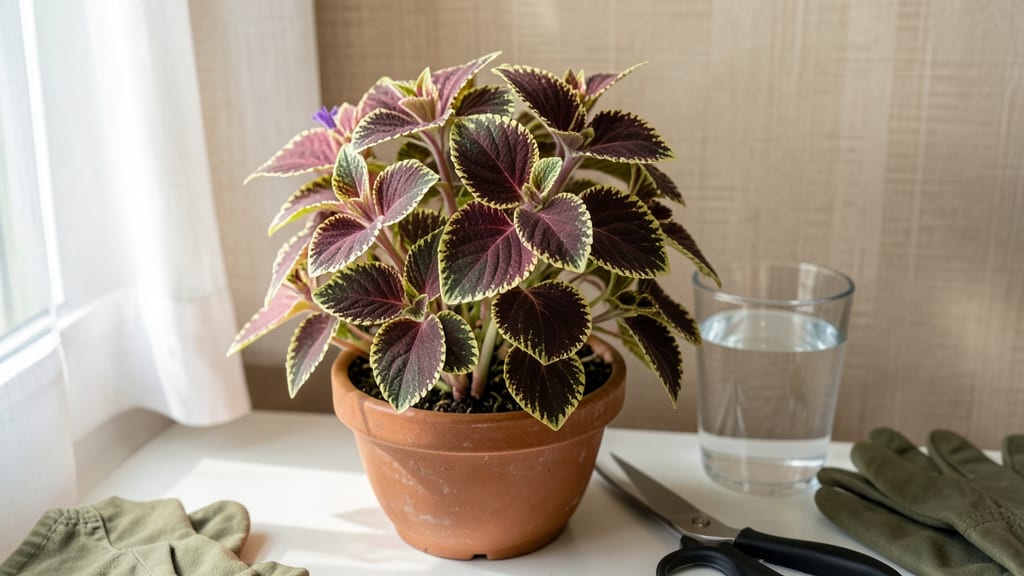
Pinching coleus stems at the right time turns leggy, sparse plants into vibrant, bushy powerhouses. 🌿 I’ve transformed my once-skinny coleus into a lush, multi-stemmed beauty by mastering just three simple techniques—timing, technique, and consistency.
The secret isn’t complicated: it’s about encouraging the plant to branch out by stopping it from growing tall too fast.
Start pinching when your coleus reaches 6 inches tall, using your thumb and forefinger to remove the top set of leaves just above a leaf node. This tiny cut sends signals to the plant to grow new branches from below, creating that full, rounded shape we all love.
Do this every 2-3 weeks during the growing season, and you’ll see dense foliage in just a few weeks—no expensive fertilizers or fancy tools required.
Light and water play just as big a role as pruning. Place your coleus in bright, indirect light (morning sun is ideal), and water only when the top inch of soil feels dry.
Overwatering causes root rot, while too little light leads to sparse growth—both kill that bushy look. With these adjustments, your coleus will stay compact, colorful, and full of life all season long.
Even if you’ve killed a coleus before, this method is foolproof—I’ve revived multiple neglected plants using these same steps. The key is patience: bushy growth takes time, but the results are worth it.
Once you see those new side shoots popping up, you’ll never let a coleus grow tall and bare again.
📚 In This Guide
- What you need
- Instructions
- Tips and common mistakes
- Wrapping up and next steps
What you need
- ● Healthy coleus plant(s) – Choose varieties with vibrant foliage (e.g., 'Wizard,’ ‘Black Dragon,’ or ‘Pinky Winky’). Tip: Start with 1–3 plants for best results!
- ● Clean, sharp pruning shears – blank">Bypass pruners (3–4 inch blades) work best to avoid crushing stems.
- ● Rubbing alcohol (70% or higher) – 1 small bottle (4 oz) to sterilize tools and prevent disease.
- ● Well-draining potting mix – 1 bag (5–10 quarts) of blank">peat-based or coco coir mix (avoid heavy clay soil).
- ○ Small pots or trays (optional) – 4–6 inch pots for propagating cuttings (if rooting new growth).
- ○ Gloves (optional) – Lightweight gardening gloves to protect hands from sap.
- ● Spray bottle with water – For misting cuttings (if propagating).
- ○ Plant hormone rooting gel (optional) – 1 small tube (e.g., blank">Clonex) to boost root growth in cuttings.
- ○ Grow lights or bright window (optional) – LED grow lights (12–15 watts) or a south-facing window for cuttings.
- ● Plant food (balanced fertilizer) – 1 bottle (e.g., blank">10-10-10 or fish emulsion) for post-pruning care.
Step-by-Step instructions for pinching and pruning coleus
Here's how I transform leggy coleus into lush, bushy plants with vibrant leaves.
✂️ Step 1: Identify and Prepare for Pinching
Start by examining your coleus plants for 4-6 inch tall stems with at least 4-5 true leaves. These are the perfect candidates for pinching—they're mature enough to handle the stress but young enough to respond dramatically. Use clean, sharp pruning shears or your fingers to pinch just above a leaf node (the small bump where leaves grow).
I like to pinch the top 2-3 inches of the main stem first. This forces the plant to focus its energy on developing side shoots rather than growing taller. Watch for new growth emerging from the leaf axils within 1-2 weeks—that's your first sign the plant is responding well.
🌱 Step 2: Encourage Bushier Growth Through Regular Pruning
After the initial pinch, continue pruning every 4-6 weeks to maintain that bushy shape. Cut back stems by about 1/3 of their length, always making cuts just above a leaf node. This creates a fuller plant and prevents that leggy, sparse look.
Don't be afraid to get your hands in there—coleus are tough plants. I usually prune in the morning when the plants are well-hydrated, which helps them recover faster. You'll notice new growth appearing from the sides within 7-10 days of each pruning session.
☀️ Step 3: Provide Optimal Light and Water Conditions
Bushy coleus need bright, indirect light for 6-8 hours daily. Too much direct sun will bleach the leaves, while too little light causes them to stretch and lose their vibrant colors. I place mine near an east-facing window where they get morning sun and gentle afternoon light.
Water when the top inch of soil feels dry—coleus hate soggy roots but also can't handle drying out completely. A good rule of thumb is to water every 5-7 days during warm weather, adjusting for your specific climate. You'll see the leaves perk up and maintain their color when the watering is just right.
🪴 Step 4: Fertilize for Lush, Vibrant Growth
Feed your coleus with a balanced liquid fertilizer (10-10-10 or 20-20-20) diluted to half strength every 4-6 weeks during the growing season. This gives them the nutrients they need to produce those colorful, dense leaves. I always fertilize after watering to prevent root burn.
You'll notice the new growth after pruning comes in even more vibrant and full when the plants are properly fed. If you see leaves losing their color or growing slowly, it's time for another feeding. Just remember—coleus are light feeders, so more isn't better.
⏰ Step 5: Maintain Through the Seasons
Coleus are tender perennials in most climates, so they'll need winter care if you're growing them outdoors. Once temperatures drop below 50°F, bring them indoors to a bright spot away from drafts. Reduce watering to every 10-14 days and stop fertilizing until spring.
During winter, growth slows down, but you can still do light pruning to shape the plant. In spring, when you see new growth starting, resume your regular pinching and fertilizing routine. With consistent care, your coleus will stay bushy and vibrant year after year.
Tips & tricks for perfect coleus growth
Real talk: Pinching and pruning coleus isn't just about cutting—it's about teaching your plants to grow the way you want. Here's how to get the most dramatic results without stressing your plants.
Timing is Everything: The 1-2 week window after your initial pinch is critical. That's when your coleus is deciding whether to put energy into new side shoots or keep growing tall. If you don't see new growth emerging from the leaf axils within 2 weeks, your cut might have been too severe—try pinching just above a lower leaf node next time. This timing works because coleus respond fastest when they're well-hydrated and getting plenty of light during this recovery phase.
Pruning Technique That Changes Everything: When you're cutting back stems by 1/3 in Step 2, make sure your cuts are clean and diagonal—this prevents water from pooling on the cut surface. I use a small pair of sharp scissors for this because they give me more control than my fingers. The diagonal cut also creates more surface area for new growth to emerge. Trust me on this: messy cuts lead to slower recovery and potential rot.
Light and Water Synergy: That 6-8 hours of bright, indirect light isn't just about photosynthesis—it's about maintaining the vibrant colors we all love. If your coleus starts stretching toward the light (a sign of etiolation), move it closer to the window but avoid direct sun, which will bleach those gorgeous leaves. The top inch soil test for watering is your best friend—coleus are sensitive to both overwatering and underwatering, and this simple check prevents both problems.
Pro Tips for Make Coleus Bushy
- Real talk: Pinching and pruning coleus isn't just about cutting—it's about teaching your plants to grow the way you w...
- Timing is Everything: The 1-2 week window after your initial pinch is critical. That's when your coleus is deciding w...
- Pruning Technique That Changes Everything: When you're cutting back stems by 1/3 in Step 2, make sure your cuts are c...
Frequently asked questions
Got questions about keeping your coleus lush and full? Here are answers to the most common ones—so you can grow that showstopping bushy plant without stress!
How often should I pinch or prune my coleus to keep it bushy?
For young coleus (under 6 months), pinch back the tips every 4–6 weeks to encourage branching. Mature plants benefit from pruning once a month or after they outgrow their space. Always use clean, sharp scissors to avoid damaging stems!
When is the best time of year to prune coleus for bushiness?
Prune coleus spring through early fall (active growth season) for the best results. Avoid heavy pruning in winter unless your plant is indoors with consistent light—coleus grows slower in cooler months. Pro tip: A light trim in late winter can jumpstart new growth!
What if my coleus gets leggy after pinching? Should I do anything different?
Leggy growth usually means not enough light. Move your coleus to a bright, indirect spot (like an east or north-facing window) and pinch back the top 2–3 sets of leaves to encourage denser regrowth. If indoors, supplement with a grow light 12–14 hours daily.
Can I propagate the cuttings I take when pruning?
Coleus cuttings root easily in water or soil. Dip stems in rooting hormone (optional) and place in moist potting mix or a jar of water. Keep in bright, indirect light and change water every 3–4 days. New roots form in 2–4 weeks—free bushy plants!
What should I do if my coleus looks sad after pruning?
Don’t panic! Coleus may drop a few leaves after pruning, but it’s normal. Focus on watering consistently (keep soil lightly moist but not soggy) and giving it bright, indirect light. Avoid fertilizing for 2 weeks post-prune—let it recover first!
Wrapping up and next steps
Growing a lush, bushy coleus is all about patience and the right techniques!
By mastering pinching and pruning, you’ll encourage vibrant foliage and a fuller plant in no time. 🌿 Whether you’re a beginner or a seasoned gardener, these steps will help you transform your coleus into a stunning centerpiece.
Now that you’re armed with the know-how, grab those shears and get pruning! Try experimenting with different pruning styles or even propagating your cuttings—your green thumb will thank you. Happy growing! 🌱