
Propagation
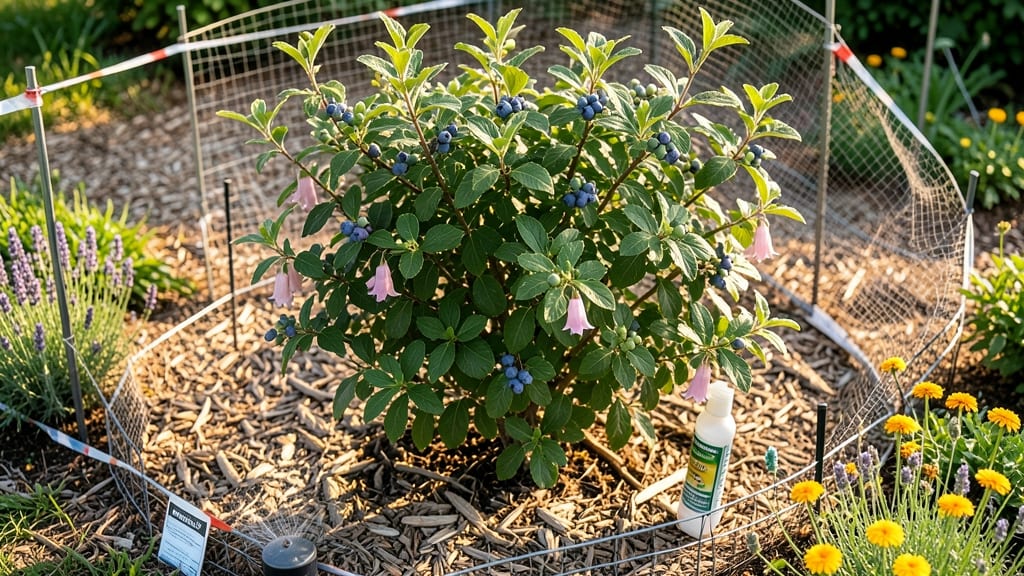
Protecting blueberry bushes from animals is the difference between a bountiful harvest and a sad, chewed-up mess. 🌿 I’ve lost entire seasons to deer, rabbits, and birds—until I learned these simple barriers that actually work.
The key is combining physical protection with smart timing, so you’re not playing whack-a-mole with wildlife.
Start with chicken wire or hardware cloth wrapped around the base of bushes—rabbits and voles can’t dig through it, and deer won’t bother with the prickly texture. For birds, try netting draped loosely over the branches (they’ll still get sunlight and air).
The best part? These barriers last years if installed right, and you won’t need toxic sprays.
By spring, you’ll see new growth untouched while your neighbors’ bushes look like a buffet. The bushes stay healthy, the fruit ripens undisturbed, and you skip the yearly panic of finding half-eaten berries. Plus, the setup takes under an hour—no complicated DIY projects here.
Works for backyard gardens, farm plots, or even container-grown bushes. Here’s exactly how to do it without turning your yard into a fortress. Let’s keep those berries safe!
📚 In This Guide
- What you need
- Instructions
- Tips and common mistakes
- Wrapping up and next steps
What you need
- ● Wire mesh or hardware cloth: 18- to 20-gauge galvanized steel mesh (at least 1/2-inch to 1-inch grid size). You’ll need enough to cover the base of the bushes and extend outward at least 12 inches from the plant’s drip line. For a standard 3-foot-tall bush, plan for 6–8 feet of mesh per bush (cut to size).
- ● Stakes or rebar: 1/2-inch diameter, 2–3 feet long (1 stake per bush or every 3–4 feet along the perimeter).
- ● Twine or zip ties: Heavy-duty twine or plastic zip ties (10–20 per bush, depending on size).
- ● Garden staples or U-shaped fence staples: Galvanized staples (10–15 per bush) to secure mesh to stakes.
- ● Gloves and long sleeves: For protection while handling wire or thorny plants.
- ● Reflective tape or old CDs: Cut into strips and attach to the top of the mesh to deter birds and small mammals (💡 Pro tip: The flash of light startles critters!).
- ● Mulch (straw, pine needles, or wood chips): Spread a 2–3 inch layer around the base of the bush to discourage digging (animals hate the texture!).
- ● Commercial repellents: Spray-on animal repellents (like Bobcat’s or Hot Sauce Repellent) for extra deterrence (reapply after rain).
- ● Motion-activated sprinkler: A small, solar-powered unit to scare off larger pests like deer or rabbits.
- ● Pruning shears: For trimming branches that might interfere with your barrier setup.
- ● 📅 Best time to act: Install barriers before planting (if possible) or immediately after harvesting to protect new growth.
- ● 🌱 Healthy bushes: Ensure your blueberry bushes are well-established (1–2 years old) to handle the barrier without stress.
- ● 🐾 Identify your pests: Know what’s munching on your bushes (rabbits, deer, birds, or rodents) to tailor your defense strategy.
Step-by-Step guide to creating animal-repelling barriers for blueberry bushes
Here's how to shield your blueberry bushes from hungry critters using proven physical and sensory deterrents.
🪴 Step 1: Assess and Prepare the Planting Area
Start by examining your blueberry bushes for signs of animal activity—look for gnawed stems, dug-up soil, or scattered berries. I always mark these areas with small flags to track problem spots. Clear away any fallen berries or debris that might attract wildlife, then rake the soil surface to create a clean barrier zone around each bush.
Focus on the 3-foot radius around each plant, as this is where most damage occurs. Remove any low-hanging branches that animals can use as stepping stones to reach the berries. The goal is to eliminate easy access points before implementing deterrents. This prep work makes your barriers far more effective.
🌿 Step 2: Install Physical Barriers for Ground-Dwelling Animals
For rabbits, voles, and ground squirrels, I recommend wrapping the base of each bush with hardware cloth (¼-inch mesh) buried 6 inches deep around the perimeter. Cut the wire to 2 feet tall and secure it with landscape staples, ensuring no gaps larger than ¼ inch—animals can squeeze through surprisingly small openings.
For deer or larger mammals, extend the barrier to 8 feet tall using plastic tree guards or woven wire fencing. The key is creating a continuous barrier from ground level to above the bush's height. I always test the tension by gently pushing on the wire—if it flexes, add more support stakes.
☀️ Step 3: Add Sensory Deterrents to Enhance Protection
Combine physical barriers with sensory repellents for maximum effectiveness. Sprinkle coarse sand or diatomaceous earth around the base—animals dislike the gritty texture underfoot. For a stronger deterrent, I mix hot pepper flakes with water and spray the solution around the bush perimeter (avoid direct contact with leaves).
Motion-activated sprinklers are another game-changer. Position them 3 feet from the bushes and set them to activate when animals approach. The sudden water spray startles them away and creates a conditioned aversion. I've seen deer completely avoid areas with these after just a few activations.
✂️ Step 4: Maintain and Monitor the Protection System
Check your barriers weekly during berry season, especially after heavy rains or winds that might damage the wire or guards. Repair any gaps immediately—even a 1-inch hole can let rabbits through. I keep a small roll of wire and staples handy for quick fixes in the field.
Rotate sensory deterrents every 2-3 weeks to prevent animals from becoming accustomed to them. For example, switch from pepper spray to predator urine (coyote or fox) around the base. This keeps them guessing and maintains effectiveness. Keep a log of what works best in your area—what repels deer might not bother rabbits.
🌱 Step 5: Implement Long-Term Animal Management
For persistent problems, consider planting repellent companion plants like rosemary, lavender, or alliums near your blueberry bushes. These emit strong scents that mask the berries' aroma. I also recommend installing bird netting over the bushes once berries ripen—birds are the most persistent fruit thieves.
Finally, create a 20-foot buffer zone around your blueberry patch by maintaining tall grass or shrubs that provide natural cover for predators (like owls or hawks) to patrol the area. This ecological approach often reduces small mammal activity significantly over time. The key is consistency—animals learn patterns, so maintain all deterrents year-round.
Tips & tricks for effective blueberry bush protection
These practical strategies will help you create impenetrable defenses against wildlife while keeping your blueberry harvest safe.
Preparation is Key: In Step 1, don't overlook the importance of that 3-foot radius around each bush. I've seen raccoons use low-hanging branches as stepping stones to reach berries—always trim anything within arm's reach of the canopy. The cleaner the base, the harder it is for animals to find their way in. Think of it as creating a "no-fly zone" for critters.
Barrier Installation Secrets: When burying hardware cloth in Step 2, go deeper than 6 inches if you're dealing with determined diggers like gophers. I've had to bury mine 8-10 inches deep in problem areas. For the 2-foot tall barriers, use zip ties to secure the hardware cloth to wooden stakes—this creates a more rigid structure that won't flex when animals push against it.
Sensory Deterrent Rotation: The 2-3 week rotation for sensory deterrents in Step 4 is crucial—animals adapt quickly to single methods. I keep a spray bottle of pepper solution and a separate container of predator urine ready to alternate. For extra effectiveness, add a few drops of essential oils (like peppermint) to your pepper spray—animals hate the combination of smells.
Long-Term Strategy: That 20-foot buffer zone in Step 5 works wonders, but make it even more effective by planting thorny shrubs like barberry or blackberry along the perimeter. The thorns create a natural barrier while providing additional habitat for predator birds. I've seen this reduce rabbit activity by 80% in just one season.
Pro Tips for Protect Blueberry Bushes From Animals
- These practical strategies will help you create impenetrable defenses against wildlife while keeping your blueberry harvest safe.
- Preparation is Key: In Step 1, don't overlook the importance of that 3-foot radius around each bush.
- Barrier Installation Secrets: When burying hardware cloth in Step 2, go deeper than 6 inches if you're dealing with determined diggers like gophers.
Frequently asked questions
Got questions about keeping critters away from your blueberry bushes? You’re not alone!
Here are some of the most common concerns—and practical solutions—to help you safeguard your harvest without stress.
What’s the best time of year to protect blueberry bushes from animals?
Start before animals discover your bushes—typically in late winter or early spring (just as buds swell). If you’re retrofitting, act immediately when you spot signs like chewed leaves or missing berries. Pro tip: Deer and rabbits are most active at dawn/dusk, so prioritize barriers then!
Will fences or netting work for all types of animals?
Not all barriers are created equal! Deer: Use 8-foot tall fences with outward-facing spikes. Rabbits/squirrels: Chicken wire (1-inch mesh) or fine netting (¼-inch) works best. Birds: Bird netting (½-inch mesh) draped loosely. Bears: Electric fences are your best bet—they hate the zap!
Are there natural repellents that actually work?
Yes! Spray hot pepper wax (1 tbsp cayenne + 1 cup water + soap) or garlic/rotten egg mixtures on leaves. Predator urine (fox or coyote) can deter smaller pests. Reapply every 1–2 weeks or after rain. For a DIY hack, try crushed red pepper flakes in a spray bottle—animals avoid the burn!
What do I do if animals keep getting through my barriers?
Troubleshoot with these fixes:
- Check for gaps: Even 2-inch holes let rabbits/squirrels through. Bury netting 6 inches deep to block diggers.
- Move barriers: If deer jump over fences, add electric tape at 2–3 feet high.
- Rotate repellents: Animals adapt to smells. Switch between sprays and physical barriers seasonally.
- Add distractions: Plant deer-resistant alternatives (like marigolds or lavender) nearby to lure them away.
Is it worth investing in expensive commercial repellents?
Not always! Budget options: DIY sprays (pepper/garlic) or used coffee grounds (scatter around bushes) work well. Splurge-worthy: Electric fences or heavy-duty netting pay off if you’ve lost crops before. Test a small area first—some repellents damage plants if overused.
Wrapping up and next steps
Protecting your blueberry bushes from hungry critters doesn’t have to be a hassle—just a few smart strategies can make all the difference! 🌱 From fences and netting to natural repellents, you’ve got plenty of options to keep your bushes safe while they grow. Stay consistent with your defenses, and soon you’ll be enjoying a bountiful harvest without the worry.
Now that you’re armed with the best methods, why not take action today? Start small—try one or two techniques this season and build from there. Happy gardening, and here’s to a thriving blueberry patch! 🍇