
Pruning
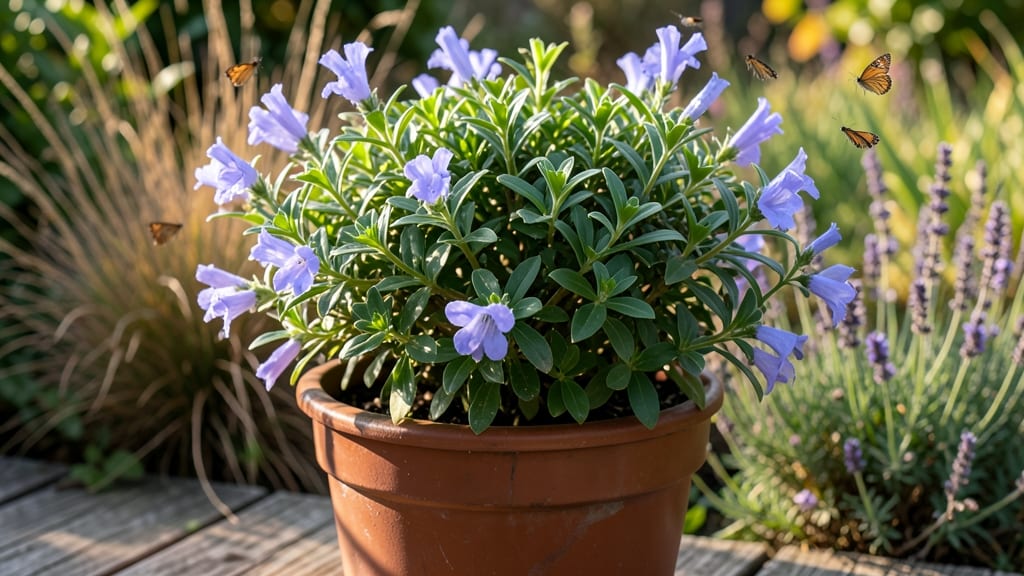
My miniature butterfly bush care routine starts with one simple truth: these compact powerhouses reward you with nonstop blooms—but only if you prune them right. 🌿 I learned this the hard way after my first one turned into a tangled mess, so I’ve since perfected a three-trim system that keeps them tidy, bushy, and flowering from spring to frost.
The secret lies in timing: a light cleanup in early spring, a mid-season shape-up in June, and a hard prune in late fall to prep for next year. Most people skip the fall trim, which is why their bushes look ragged by May.
With the right tools (sharp pruners, gloves, and a ladder if needed), you’ll have a plant that stays under 3 feet tall while still attracting butterflies like crazy. What you’ll end up with is a neat, flowering machine that thrives in pots or small gardens.
The blooms stay fresh longer, the growth stays controlled, and you’ll avoid the "wild shrub" look that scares off neighbors. Plus, the butterflies? They’ll make your yard their favorite stop.
This method works for ‘Nanho Blue’, ‘Lo & Behold’, or any dwarf buddleja—just adjust the pruning height slightly based on your variety. Let’s get those blooms going!
📚 In This Guide
- What you need
- Instructions
- Tips and common mistakes
- Wrapping up and next steps
What you need
- ● Miniature butterfly bush plant: Choose a Buddleja davidii cultivar labeled "Nano" or "Mini" (e.g., 'Nanho Blue,' 'Nanho Purple'). Look for healthy 1-gallon pots or bare-root plants.
- ● Well-draining soil: A mix of 50% garden soil, 30% compost, and 20% perlite or sand (1–2 cubic yards for in-ground planting or 5–10 gallons for containers).
- ● Pruning tools: Bypass pruners (for clean cuts on stems up to ½ inch thick).
- ● Loppers (for thicker stems or overgrown branches).
- ● Sharp hand pruners (for deadheading spent blooms).
- ● Fertilizer: Balanced 10-10-10 fertilizer (1–2 tbsp per plant, applied spring and early summer).
- ○ Slow-release granules (optional, for containers: ½ cup per 5-gallon pot).
- ● Mulch: 2–3 inches of wood chips or shredded bark (helps retain moisture and regulate soil temp).
- ● Watering can or hose with a gentle spray nozzle: Miniature bushes need 1–1.5 gallons of water per week (more in containers).
- ● Container gardening: 5–7 gallon pots with drainage holes (if growing in pots).
- ● Epsom salt: 1 tbsp dissolved in water (monthly spray for magnesium boost during blooming season).
- ● Plant supports: Small stakes or cages (if your bush gets leggy in windy areas).
- ● Butterfly-friendly companions: Nearby plants like lavender, coneflowers, or sedum (attracts more pollinators!).
- ● Gloves: For protection while pruning (some varieties have thorny stems).
Step-by-Step instructions for pruning your miniature butterfly bush
Here's how I keep my compact butterfly bushes blooming nonstop—with just three strategic trims per year.
✂️ Step 1: First Spring Trim to Shape and Encourage New Growth
As soon as you see new growth buds in early spring (around late March in most zones), grab your pruners and cut back the previous year's growth by about ⅓. This removes dead wood and stimulates fresh, vigorous shoots that will produce your first summer blooms. I always make my cuts just above a leaf node where new growth can emerge—never leave stubs.
For your miniature variety, keep the overall shape rounded rather than letting it grow too tall. The goal is to maintain that compact form while encouraging dense branching. You'll notice new green shoots appearing within 2-3 weeks—that's your signal the plant is responding well. If your bush looks leggy, cut back even more aggressively to promote bushier growth.
✂️ Step 2: Mid-Summer Deadheading to Prolong Blooms
When about 50% of flowers have faded (usually mid-to-late summer), it's time for your second trim. Remove spent blooms by cutting back to the nearest leaf node, but here's the key: leave 2-3 inches of stem below each bloom cluster. This prevents the plant from putting energy into seed production and redirects it to new flower buds.
I always work on a dry morning when the plant is fully hydrated. You'll see fresh buds forming at the stem bases within 10-14 days—that's your reward for this simple maintenance. For miniature varieties, be extra careful not to over-prune. These compact bushes need their energy focused on dense flowering rather than regrowing lost structure.
✂️ Step 3: Late Fall Cleanup to Prepare for Winter
After your final flush of fall blooms (usually October-November), give your butterfly bush one last trim. Cut back all stems by half their height, but leave 4-6 inches of growth to protect the plant's center from winter winds. Remove any dead, diseased, or crossing branches first—they'll only invite problems.
This final trim creates a neat, compact shape that's easier to protect during winter. I always clean my pruners with rubbing alcohol between cuts to prevent spreading any potential diseases. Your bush will enter dormancy looking healthy and ready to burst into bloom again next spring. The key is timing—wait until after the last frost date in your area, but before the first hard freeze.
🌿 Step 4: Optional Light Winter Pruning (Zones 5-7)
In colder climates (zones 5-7), I do one final light trim in late winter (February) to remove any winter-damaged branches. Simply cut out any stems that look brown, mushy, or completely dead. The goal here is minimal—just enough to improve airflow and make room for new spring growth. You'll see fresh green shoots emerging from the base within 3-4 weeks of your last frost date.
For miniature varieties, this step is often unnecessary—they're hardy enough to handle winter with just their natural protection. But if you notice any dead spots, a little cleanup now prevents bigger problems later. Always prune on a dry day when the plant isn't actively growing—this reduces stress and helps it recover faster.
Tips & tricks for perfect miniature butterfly bush maintenance
These simple yet game-changing strategies will help your compact butterfly bushes thrive year-round with minimal effort.
Timing is Everything: The 2-3 week window after your first spring trim is critical for new growth. If you notice your bush isn't responding within this timeframe, check for proper watering—these compact varieties need consistent moisture during their active growing season. I've found that mulching with 2-3 inches of organic material helps retain moisture and encourages root development, which directly impacts how quickly those new shoots appear.
Precision Pruning Technique: When deadheading in Step 2, focus on making clean cuts just above the leaf node where new buds form. I use sharp, clean pruners and make angled cuts to prevent water from pooling on the stem, which can lead to rot. For miniature varieties, resist the urge to remove more than necessary—these plants thrive on density. The 2-3 inches of stem you leave below each bloom cluster is what triggers those fresh buds within 10-14 days.
Seasonal Adaptation: In colder zones (5-7), your late fall trim should be especially gentle. The 4-6 inches of growth you leave acts as natural insulation against winter winds. I've seen miniature bushes with just 4 inches of winter growth survive perfectly fine, while those cut too short often struggle with frost damage. This is where observation comes in—watch your local weather patterns and adjust your timing accordingly.
Tool Maintenance: Your pruners are just as important as your technique. I clean mine with rubbing alcohol between cuts to prevent spreading diseases, especially during the late fall cleanup. A sharp blade makes clean cuts that heal faster, which is crucial for these compact bushes that rely on dense branching. I also recommend having a small pair of hand pruners for detailed work and larger bypass pruners for thicker stems.
Pro Tips for Miniature Butterfly Bush Care
- These simple yet game-changing strategies will help your compact butterfly bushes thrive year-round with minimal effort.
- Timing is Everything: The 2-3 week window after your first spring trim is critical for new growth.
- Precision Pruning Technique: When deadheading in Step 2, focus on making clean cuts just above the leaf node where new buds form.
Frequently asked questions
How often should I prune my miniature butterfly bush?
Prune your Buddleja davidii 'Nanho Blue' twice a year: once in early spring (before new growth) to shape it and again in late summer (after blooming) to encourage another flush of flowers. Light trimming between blooms keeps it tidy without sacrificing flowers. Pro tip: Never cut into old wood—always leave at least 3-4 sets of leaves!
Can miniature butterfly bushes survive winter in cold climates?
Yes! These tough shrubs handle USDA Zones 5-9, but mulch the base with 2-3 inches of shredded bark or leaves to protect roots. In Zone 5 or colder, wrap the plant in burlap or use a frost blanket for extra defense. Prune back dead or damaged stems in early spring—new growth will bounce back fast!
Why aren’t my blooms as vibrant as last year?
Duller flowers often mean over-fertilizing (too much nitrogen = lush leaves, fewer blooms) or poor pruning habits. Switch to a low-nitrogen, high-phosphorus fertilizer (like 5-10-5) in early spring, and cut back 1/3 of old stems to stimulate fresh growth. Bonus: Deadhead spent blooms to redirect energy into new flowers!
What’s a good alternative if my butterfly bush gets too large?
If space is tight, try these compact butterfly-attracting shrubs:
- 'Blue Chip' Butterfly Bush – Dwarf variety (3-4 ft tall), deep purple blooms.
- Dwarf Russian Sage (Perovskia 'Little Spire') – Silvery foliage, lavender spikes, drought-tolerant.
- Butterfly Weed (Asclepias tuberosa) – Native, pollinator magnet, orange blooms.
All three thrive in full sun and need minimal pruning!
My leaves are yellowing—what’s wrong?
Yellow leaves usually signal overwatering or root rot. Let soil dry 2-3 inches deep between waterings, and ensure pots have drainage holes. If roots smell sour or look mushy, trim affected roots and repot in fresh, well-draining soil. Prevent it: Avoid soggy soil, especially in winter!
Wrapping up and next steps
Caring for your miniature butterfly bush is all about timing, precision, and a little love—and you’ve got this! 🌿 With just three strategic trims (early spring, post-bloom, and late summer), you’ll enjoy vibrant blooms year-round while keeping your plant happy and healthy.
Remember, pruning isn’t just about shaping; it’s about encouraging growth and preventing stress.
Now that you’re armed with the know-how, roll up your sleeves and give your butterfly bush the TLC it deserves. Ready to see those butterflies flock to your garden? Start trimming today! 🦋✨