
Shrubs
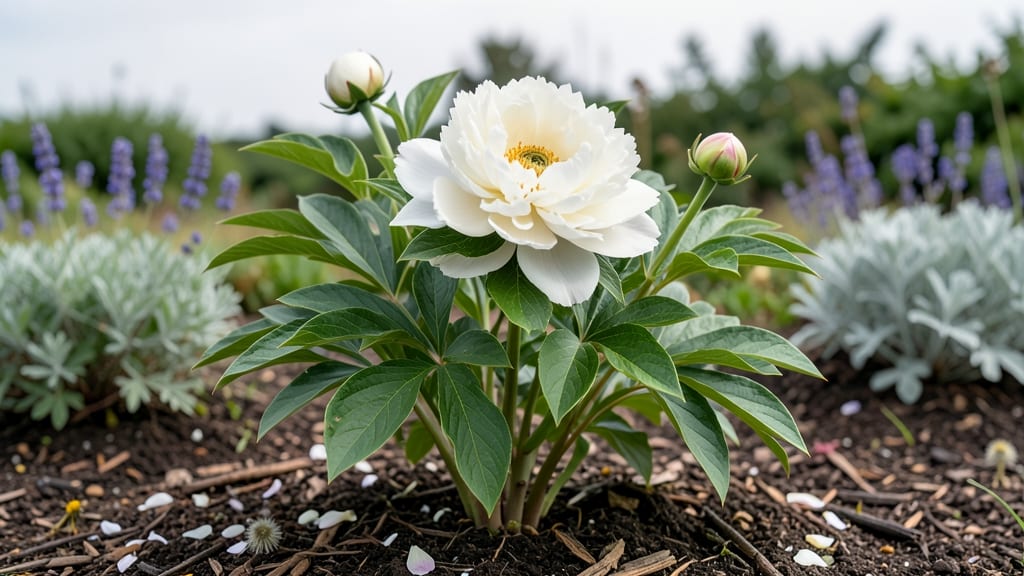
White peony bushes (Paeonia lactiflora) transform your garden into a fragrant cloud of creamy blooms every spring—if you master the pruning. 🌸 I’ve learned that the secret isn’t just timing, but how you cut: too early and you lose flowers; too late and you risk disease.
The difference between a bush bursting with blooms and one struggling to recover is those few strategic snips in late winter.
Start with well-draining soil and full sun—white peonies thrive where others fade. Plant bare-root bushes in early fall or spring, spacing them 3-4 feet apart to give roots room to spread.
The real magic happens in March, when you prune back last year’s stems to 1.5 inches above the ground, leaving next year’s buds hidden just below the soil. This single step ensures lush, repeat blooms for decades—peonies live for 50+ years if cared for properly.
📚 In This Guide
- What you need
- Instructions
- Tips and common mistakes
- Wrapping up and next steps
What you need
- ● Peony roots or plants: Choose Paeonia lactiflora (herbaceous) or Paeonia suffruticosa (tree) varieties with white blooms. Buy 1-3 bare-root plants or potted specimens from a reputable nursery.
- ● Well-draining soil: Aim for a mix of 50% garden soil, 30% compost, and 20% coarse sand or perlite (1-2 cubic yards for a standard planting site).
- ● Fertilizer: Balanced 10-10-10 fertilizer (1 lb per plant) for initial planting.
- ● Slow-release bone meal (5-5-10) (½ cup per plant) to boost root development.
- ● Mulch: 2-3 inches of organic mulch (e.g., shredded bark or straw) to retain moisture and regulate temperature.
- ● Garden trowel or spade: For digging planting holes (12-18 inches deep and wide).
- ● Pruning shears: Sharp, bypass-style shears (for clean cuts during pruning).
- ● Garden gloves: Heavy-duty to protect against thorns (peonies can be prickly!).
- ● Watering can or hose with a gentle nozzle: Peonies need 1-2 inches of water per week (drip irrigation is ideal).
- ○ pH testing kit (optional): Ensure soil pH is between 6.5-7.5 (peonies thrive in slightly acidic to neutral soil).
- ● Sunlight: A full-sun to partial-shade location (6+ hours of sunlight daily for optimal blooms).
- ● Space: Plant peonies 3-4 feet apart to allow airflow and prevent disease.
- ● Patience: Herbaceous peonies take 2-3 years to establish and bloom fully!
Step-by-Step guide to cultivating a thriving white peony bush
Here’s how to coax those lush, fragrant blooms from a peony bush—no shortcuts, just proven techniques.
🌱 Step 1: Select and Prepare the Planting Site
Peonies demand full sun—at least 6-8 hours daily—and rich, well-draining soil. I always choose a spot with morning sunlight and afternoon shade in hot climates to prevent leaf scorch. Dig a hole twice as wide as the root ball but only as deep as the top of the roots—burying too deep smothers the plant.
Amend the soil with 2-3 inches of compost mixed into the bottom of the hole. Peonies hate soggy roots, so if your soil drains poorly, add a shovel of coarse sand to the mix. The roots should spread outward naturally, not forced downward. Water deeply after planting to settle the soil and eliminate air pockets.
☀️ Step 2: Plant at the Right Depth and Stagger for Season-Long Blooms
Peony "eyes" (the swollen buds at the base of stems) must sit 1-2 inches below soil level—this ensures strong stems and abundant blooms. If your peony comes in a container, loosen the roots gently before placing it in the hole. I like to plant 3-4 buds per hole for a fuller bush, spacing them 3-4 feet apart to allow airflow and prevent disease.
Here’s the thing—if you plant in early fall, the roots establish before winter. For spring planting, get it in the ground 4-6 weeks before your last frost date. Water immediately after planting, then again every 2-3 days until new growth appears. Mulch with 2-3 inches of organic mulch (like wood chips) to retain moisture and regulate soil temperature.
✂️ Step 3: Master the Pruning Schedule for Year-Round Health
Peonies bloom on previous year’s growth, so never prune in fall—you’ll cut off next year’s flowers. Wait until late spring, after the foliage turns brown and dies back naturally. Cut stems back to 1-2 inches above the ground using clean, sharp pruners. This prevents disease and keeps the bush tidy.
In early spring, remove any dead or damaged stems, but leave the healthy ones alone until they’ve finished blooming. I always leave the spent blooms on until they turn brown—this encourages stronger stems for next year. If you’re dealing with overcrowded growth, thin out the oldest stems first to redirect energy to newer, more vigorous shoots.
💧 Step 4: Water and Feed for Maximum Fragrance and Blooms
Peonies are drought-tolerant once established, but deep watering weekly during the first growing season ensures strong root development. You’ll know they’re thirsty when the top inch of soil feels dry—stick your finger in to check. Overwatering leads to root rot, so always let the soil dry slightly between waterings.
Feed in early spring with a balanced 10-10-10 fertilizer (about ½ cup per plant) to promote lush foliage and abundant blooms. I skip summer feeding—peonies store energy in their roots, and extra nutrients can lead to weak stems. A light application of compost in fall keeps the soil fertile without overstimulating new growth before winter.
⏰ Step 5: Protect and Prepare for Winter Dormancy
Peonies are hardy, but young plants or those in Zone 4 or colder need extra protection. Once the ground freezes, mound 4-6 inches of mulch (straw or shredded leaves work best) around the base to insulate the roots. In Zone 5-6, a 2-inch mulch layer is enough. Remove the mulch in early spring before new shoots appear.
Here’s where it gets fun—watch for new growth in late winter. If you see green shoots peeking through the soil, that’s your cue to reduce watering slightly. Peonies bloom best when they experience a natural dormancy period, so avoid fertilizing until you see active growth. A well-rested peony rewards you with larger, more fragrant blooms the following season.
Tips & tricks for perfect white peony cultivation
These proven strategies will help you transform your white peony bush into a fragrant, year-round showstopper.
Soil Preparation Secret: Before planting, test your soil's drainage by digging a hole and filling it with water. If it doesn't drain within 1 hour, you'll need to add more of that coarse sand mentioned in Step 1. I've seen peonies fail spectacularly in soggy soil—trust me, the roots need that airflow. For extra insurance, mix in 1 part perlite to 3 parts compost when amending the planting hole. This creates the perfect airy environment for those delicate roots to thrive.
Planting Depth Visual: The 1-2 inches below soil level for peony eyes might sound abstract, but here's how I check: After placing your peony in the hole, cover the roots with about 3 inches of soil. The eyes should be just below this line—no deeper, no shallower. A good trick is to use a pencil to mark the depth before planting, then verify after backfilling. Too deep and you'll get floppy stems; too shallow and the plant may heave out of the ground in winter freezes.
Pruning Timing Trick: That late spring pruning window in Step 3 is your golden opportunity, but here's the real secret: Wait until you see new green growth emerging from the base of the plant. This means the plant has already started its energy production for the season. I usually prune around April 15th in my Zone 6 garden, but your exact timing depends on when your last frost occurs. The key is to cut back just as the new leaves begin to unfurl—this prevents shocking the plant while still maintaining that clean look.
Winter Protection Layer: When you're adding that 4-6 inches of mulch for winter protection in Step 5, don't just pile it on haphazardly. Create a cone shape with the mulch, highest at the center and sloping down toward the edges. This helps channel rainwater away from the crown while still insulating the roots. I also like to add a thin layer of burlap over the mulch in extremely cold climates (Zone 4 and below) to provide that extra barrier against harsh winds and temperature swings.
Pro Tips for Peony Bush White
- These proven strategies will help you transform your white peony bush into a fragrant, year-round showstopper.
- Soil Preparation Secret: Before planting, test your soil's drainage by digging a hole and filling it with water.
- Planting Depth Visual: The 1-2 inches below soil level for peony eyes might sound abstract, but here's how I check: After placing your peony in the hole, cover the roots with about 3 inches of soil.
Frequently asked questions
When is the best time to plant a white peony bush?
The ideal time to plant your peony bush white is in early fall (4–6 weeks before the first frost) or early spring (as soon as the ground is workable). This gives roots time to establish before extreme temperatures. Avoid planting in summer heat or freezing winter conditions—roots need moderate soil temps to settle in!
How do I prune a white peony bush for maximum blooms?
Prune your peony immediately after flowering (late spring to early summer). Cut back spent blooms to the first set of healthy leaves, but never cut into the woody stems—this can reduce next year’s flowers. For shaping, wait until late fall or early spring and trim back overgrown branches by ⅓ to encourage bushier growth.
What pests or diseases should I watch for in white peony bushes?
Peonies are generally tough, but watch for aphids, spider mites, or botrytis blight (gray mold). Aphids? Blast them off with water or use insecticidal soap. Botrytis thrives in wet conditions—space plants for airflow and avoid overhead watering. Peony wilt (a fungal disease) is rare but fatal; remove infected plants immediately to prevent spread.
Can white peony bushes grow in full sun or partial shade?
White peonies love full sun (6–8 hours daily) for the most vibrant blooms, but they’ll tolerate partial shade (4–6 hours) in hot climates. In deep shade (<4 hours), expect fewer flowers and leggy growth. If shading is unavoidable, ensure the spot gets morning sun to prevent weak stems.
Why aren’t my white peony flowers opening this year?
Several factors could be at play: too much shade, over-fertilizing with nitrogen (promotes leaves over blooms), or immature plants (wait 2–3 years for peak blooms). Check for bud blast (buds drying up)—this often happens in wet springs. If buds form but don’t open, try thinning crowded stems or moving to a sunnier spot.
Pro Tip:
For longer-lasting blooms, deadhead spent flowers daily during peak season. This redirects energy to new buds and extends your peony’s show by 2–3 weeks!
Wrapping up and next steps
Growing a peony bush white is a rewarding journey that brings beauty, fragrance, and elegance to your garden year after year. With the right location, soil preparation, and pruning mastery, you’ll enjoy lush blooms and a serene atmosphere—all while keeping pests and diseases at bay. 🌸
Ready to transform your garden? Start by planting your peony bush in early autumn or spring, and don’t forget to monitor its growth closely. Soon, you’ll be the envy of the neighborhood with your stunning white peony display!