
Pruning
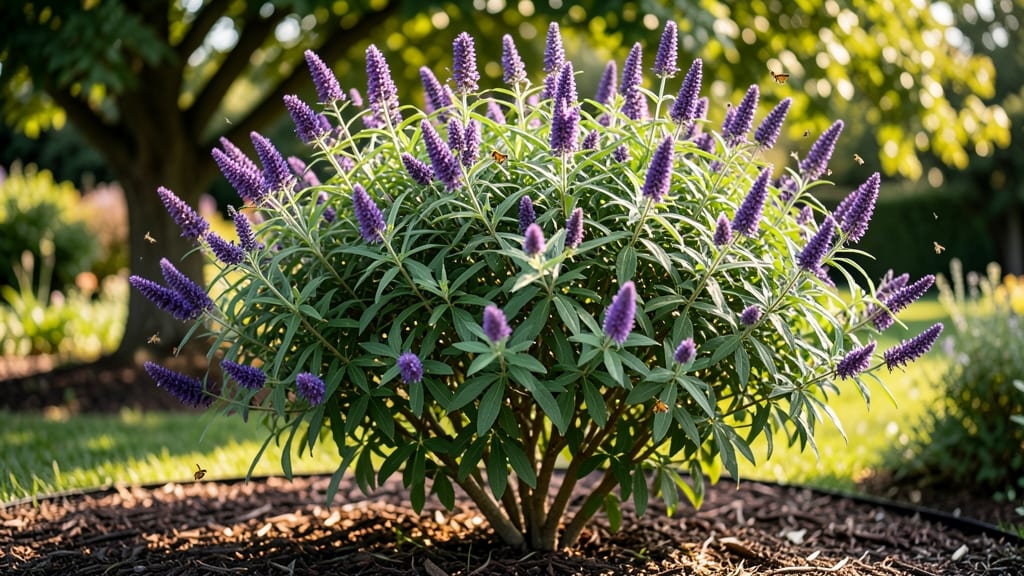
Your petite butterfly bush could be the star of your garden this summer—compact, fragrant, and covered in blooms that butterflies can't resist. 🌸 I planted mine last spring after struggling with invasive varieties, and now it's the most low-maintenance plant in my yard, thriving in just 3 hours of sunlight a day.
The key starts with the right spot: partial sun and well-draining soil. Unlike its larger cousins, this dwarf variety stays under 3 feet tall, making it perfect for small gardens, containers, or even as a border.
Plant in early spring or fall when temperatures are mild, spacing them 3-4 feet apart for airflow and future growth. Once established, water only when the top inch of soil feels dry—overwatering is the #1 way to kill these tough shrubs.
A light feeding with balanced fertilizer in spring kickstarts blooms, and deadheading spent flowers keeps them coming all season. The real magic happens when butterflies discover it: expect monarchs, swallowtails, and hummingbirds within weeks.
Avoid the rookie mistake of heavy pruning—just trim back 1/3 of last year's growth in late winter. This keeps the shape neat while encouraging fresh blooms. With this care, you'll have a butterfly magnet that looks great and requires almost no effort.
📚 In This Guide
- What you need
- Instructions
- Tips and common mistakes
- Wrapping up and next steps
What you need
- ● Petite Butterfly Bush (Buddleia davidii 'Petite Indigo') – 1-3 plants (depending on desired coverage). Look for healthy, disease-free specimens with vibrant foliage.
- ● Well-draining soil – Amend heavy clay with compost (50% soil, 50% compost mix) or use a cactus/succulent blend for optimal drainage.
- ● Sunny location – At least 6-8 hours of direct sunlight daily. Partial shade may reduce blooms.
- ● Pruning shears – Bypass pruners (sharp, clean, and sterilized with rubbing alcohol between cuts). Avoid anvil pruners—they crush stems.
- ● Gloves – Heavy-duty gardening gloves (to protect from thorns and sap).
- ● Mulch – 2-3 inches of organic mulch (e.g., shredded bark or pine needles) to retain moisture and suppress weeds.
- ● Fertilizer – Balanced, slow-release granular fertilizer (10-10-10 or 20-20-20). Apply once in early spring and again after pruning.
- ● Hand trowel – For digging small holes or transplanting seedlings.
- ● Watering can or hose with adjustable nozzle – Deep watering (1-2 inches per week) is key, especially during the first year.
- ○ Staking (optional) – 3-4 bamboo stakes + twine if planting in windy areas (Petite varieties are compact but may need support initially).
- ● Butterfly-friendly companions – Plant neighboring pollinator plants like lantana, coneflowers, or salvia to extend the blooming season.
- ● Plant marker – A biodegradable stake or label to track planting dates and pruning schedules.
- ○ Fungicide (preventative) – Copper-based spray (optional but helpful in humid climates to prevent powdery mildew).
Instructions for planting and pruning petite butterfly bush
Let's get your butterfly bush thriving with vibrant blooms all season—here's how to plant and prune it like a pro.
🌱 Step 1: Choose the Perfect Location and Prepare the Soil
Select a spot with full sun exposure (6-8 hours daily) and well-draining soil. Butterfly bushes tolerate a range of soil types but thrive best in slightly acidic to neutral soil with a pH between 6.0 and 7.5. If your soil is heavy clay, amend it with 2-3 inches of compost mixed into the top 12 inches of soil before planting.
Dig a hole twice as wide and just as deep as the root ball of your petite butterfly bush. Gently loosen the roots if they’re circling the container—this encourages outward growth. Place the plant in the hole so the top of the root ball sits 1 inch below the soil line. This slight depth helps stabilize the plant and prevents stem rot from water pooling at the base.
💧 Step 2: Water Thoroughly and Mulch for Moisture Retention
Water the plant deeply immediately after planting to settle the soil and eliminate air pockets around the roots. Use 1-2 gallons of water, depending on the size of the root ball, and let it soak in completely. Avoid watering again until the top 2 inches of soil feel dry to the touch—overwatering can suffocate roots and lead to fungal issues.
Apply a 2-3 inch layer of mulch around the base of the plant, keeping it 3 inches away from the stem to prevent rot. Use organic mulch like shredded bark or pine straw, which improves soil structure and retains moisture. Replenish the mulch layer as it breaks down throughout the growing season.
✂️ Step 3: Prune for Shape and Encourage Blooms
Prune your petite butterfly bush twice a year—once in late winter or early spring (before new growth begins) and again right after the first flush of blooms in early summer. Start by removing dead, diseased, or crossing branches at the base. Use clean, sharp pruners to make cuts at a 45-degree angle just above a leaf node or bud.
For shaping, cut back the longest stems by one-third to encourage bushier growth. If your plant is leggy, trim it back even more aggressively—this stimulates new growth from the base. Avoid heavy pruning in fall, as it reduces the plant’s ability to harden off for winter. Always sterilize your pruners with rubbing alcohol between cuts to prevent the spread of disease.
☀️ Step 4: Fertilize and Monitor for Pests
Feed your butterfly bush with a balanced, slow-release fertilizer (10-10-10) in early spring as new growth emerges. Apply ½ cup per plant and water deeply to help the granules dissolve into the soil. Avoid high-nitrogen fertilizers, which promote leafy growth at the expense of flowers. Repeat the feeding in mid-summer to sustain blooms through the season.
Keep an eye out for aphids, spider mites, or Japanese beetles, which are common pests for butterfly bushes. Spray the plant with a strong stream of water to dislodge soft-bodied insects like aphids. For persistent infestations, use neem oil or insecticidal soap, applying it in the early morning or late evening to avoid harming beneficial pollinators.
⏰ Step 5: Winter Care for Year-Round Health
In colder climates (below Zone 5), protect your petite butterfly bush by mulching heavily around the base with 4-6 inches of shredded leaves or straw after the first hard frost. This insulation helps the roots survive freezing temperatures. Avoid pruning in fall, as it reduces the plant’s resilience—wait until late winter to shape it for the new growing season.
In milder climates (Zones 6-9), your butterfly bush may stay evergreen or semi-evergreen. Water it sparingly in winter, only when the soil feels bone-dry 3 inches below the surface. Prune lightly in early spring to remove any frost-damaged branches, and watch for new growth as a sign that winter is over.
Tips & tricks for perfect petite butterfly bush care
Common pitfalls—and how to sidestep every one when nurturing your petite butterfly bush.
Soil Prep Secret: Before planting, test your soil's pH using a simple test kit—petite butterfly bushes thrive in that 6.0-7.5 range. If your soil is too alkaline, mix in sulfur or peat moss (1 part to 3 parts soil) to adjust it. I learned this the hard way after seeing my first plant struggle with yellowing leaves—turns out the clay soil was way too alkaline. The right pH makes all the difference for vibrant blooms!
Pruning Precision: When you're cutting back those leggy stems by one-third in Step 3, always make your cuts just above a leaf node or bud. This is where new growth will emerge. I recommend using bypass pruners instead of hedge clippers—they give you cleaner cuts that heal faster. Also, never remove more than one-third of the plant in a single session, or you'll shock it into dormancy.
Mulching Magic: That 2-3 inch mulch layer isn't just for looks—it regulates soil temperature and conserves moisture. For best results, use shredded hardwood mulch rather than pine straw, as it breaks down more slowly. In winter, double that layer to 4-6 inches for cold climates, creating an insulating blanket that protects roots from freeze-thaw cycles. I've seen plants survive winters that would otherwise have been fatal!
Fertilizer Timing: The ½ cup of 10-10-10 fertilizer in early spring should be applied when you see new growth emerging—usually within 2-3 weeks after your last frost date. Too early, and you'll encourage tender new growth that gets damaged by late frosts. In mid-summer, I like to switch to a low-nitrogen, high-phosphorus fertilizer (like 5-10-10) to boost flowering without promoting leafy growth.
Pro Tips for Petite Butterfly Bush
- Common pitfalls—and how to sidestep every one when nurturing your petite butterfly bush.
- Soil Prep Secret: Before planting, test your soil's pH using a simple test kit—petite butterfly bushes thrive in that 6.0-7.5 range.
- Pruning Precision: When you're cutting back those leggy stems by one-third in Step 3, always make your cuts just above a leaf node or bud.
Frequently asked questions
Got questions about keeping your Petite Butterfly Bush thriving? Here are answers to the most common ones—so you can enjoy those vibrant blooms all year long!
How often should I prune my Petite Butterfly Bush for continuous blooms?
Prune your Buddleja davidii ‘Petite Indigo’ twice a year for best results: once in early spring (to shape and remove dead wood) and again in late summer (to encourage fall/winter blooms). Light trims after each flowering cycle also help maintain compact growth. Avoid heavy pruning in fall—it can stunt next year’s buds!
Can Petite Butterfly Bush survive winter in cold climates?
Yes! This hardy shrub tolerates USDA Zones 5-9. In colder areas (Zone 5), mulch heavily and wrap the base with burlap for protection. Prune back by 1/3 in early spring—new growth is tough and cold-resistant. Pro tip: Plant in a sheltered spot (like near a south-facing wall) to catch extra warmth.
Why aren’t my Petite Butterfly Bush flowers attracting butterflies?
Butterflies love Buddleja, but a few factors might deter them: pesticides (skip chemicals—opt for neem oil instead), lack of water (dry soil = fewer nectar-rich blooms), or timing. Plant near host plants (like milkweed) and ensure blooms are fresh and plentiful—butterflies prefer vibrant, healthy flowers!
Is Petite Butterfly Bush invasive? Should I remove it if it spreads?
While Buddleja can self-seed aggressively, Petite Indigo is a dwarf cultivar (3-4 ft tall) and less invasive than larger varieties. Contain it by pruning spent blooms and removing seedlings. In wild areas, check local regulations—some states restrict it. Pro tip: Plant in containers or raised beds if containment is a concern!
What’s a good alternative if I want a low-maintenance butterfly magnet?
Try these butterfly-friendly, low-maintenance shrubs:
- Dwarf Butterfly Bush (Buddleja ‘Lo & Behold’) – Even smaller (2-3 ft) and sterile (no seeds).
- Butterfly Weed (Asclepias tuberosa) – Drought-tolerant, attracts monarchs, and blooms all summer.
- Russian Sage (Perovskia atriplicifolia) – Silvery foliage, long bloom time, and deer-resistant.
Wrapping up and next steps
The Petite Butterfly Bush is a gardener’s dream—packed with vibrant blooms, low maintenance, and year-round beauty when cared for with precision. By mastering the art of timely pruning and understanding its needs, you’ll transform your garden into a pollinator paradise. 🌸
Ready to take the next step? Grab your pruners, mark your calendar for late winter or early spring, and give your Petite Butterfly Bush the TLC it deserves. Watch as it rewards you with lush, continuous blooms all season long!