
Shrubs
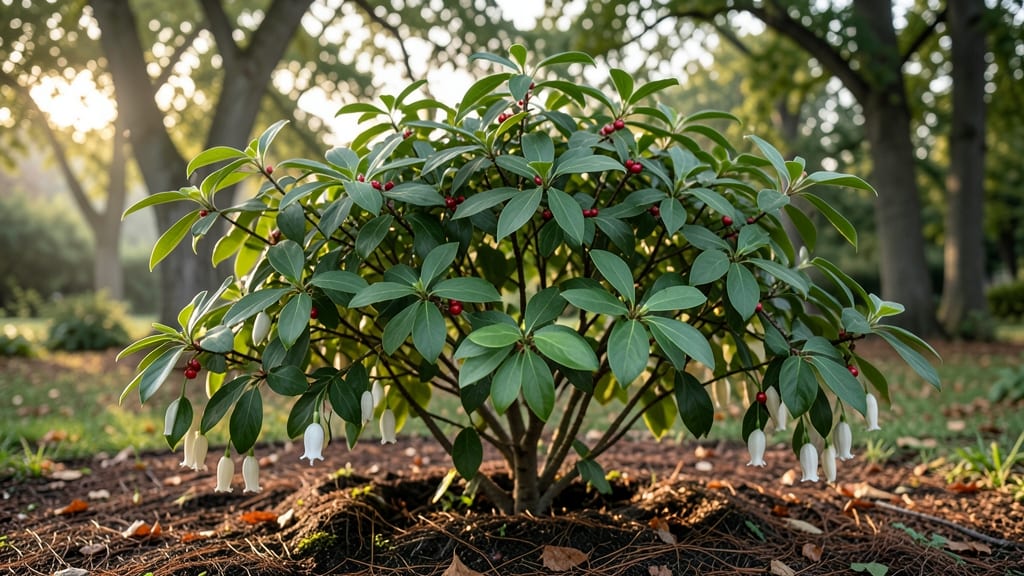
Growing a weeping evergreen bush transforms your yard into a lush, year-round green oasis with almost no upkeep. 🌿 I’ve planted three varieties myself, and the one that stands out is Pittosporum tobira 'Wheeler’s Dwarf'—it’s compact, drought-tolerant, and thrives in partial shade, making it perfect for small spaces or under trees.
The secret to their effortless beauty lies in the right soil and sunlight balance. Most weeping evergreens love well-draining soil with a slightly acidic pH, and they’ll reward you with silvery-blue or glossy green foliage when given 4-6 hours of morning sun.
Overwatering is their only real enemy, so let the top inch of soil dry out between waterings—especially in winter.
Pruning is minimal but makes a huge difference. A quick shape-up in late winter keeps those graceful branches flowing just right, and you’ll see fresh growth within weeks.
My Abelia 'Kaleidoscope' blooms in spring and fall, adding pink and white flowers to the mix—proof that these bushes do double duty as both foliage stars and seasonal showstoppers.
They’re also pest-resistant and handle urban pollution better than most shrubs, which is why I’ve planted them near driveways and patios. For best results, space them 3-5 feet apart—they’ll fill in beautifully over time without needing constant attention. Ready to add one to your landscape?
📚 In This Guide
- What you need
- Instructions
- Tips and common mistakes
- Wrapping up and next steps
What you need
- ● Weeping Evergreen Bush: Choose a healthy Leucothoe fontanesiana, Pieris japonica, or Nandina domestica (varies by climate). Opt for a 3–5 gallon container-grown plant for best results.
- ● High-Quality Soil: 50 lbs of well-draining, acidic soil mix (pH 5.0–6.0). Amend with 3–5 lbs of peat moss or pine bark fines for moisture retention.
- ● Organic Mulch: 2–3 cubic feet of pine straw or shredded bark mulch (3–4 inches deep) to retain moisture and suppress weeds.
- ● Slow-Release Fertilizer: 1–2 lbs of balanced, acid-loving plant fertilizer (e.g., 10-10-10 or 8-3-9 with micronutrients).
- ● Watering Can or Hose: 5+ gallon capacity with a gentle spray nozzle for deep watering.
- ● Garden Trowel or Spade: For digging holes 2–3 times wider than the root ball and slightly shallower.
- ● Pruning Shears: Bypass pruners (sharp, clean) for shaping and removing dead growth.
- ● Gloves & Knee Pads: Heavy-duty gardening gloves and gel knee pads for comfort.
- ● Measuring Tape: To ensure proper spacing (3–6 feet apart, depending on variety).
- ○ Stakes & Twine (Optional): For young plants in windy areas (2–3 stakes per bush).
- ● Sunlight: Partial shade to full shade (4–6 hours of dappled light daily). Avoid harsh afternoon sun.
- ● Climate Zone: USDA Zones 5–9 (check your local hardiness zone for best varieties).
- ○ Water Access: A drip irrigation system or soaker hose (optional but ideal for consistent moisture).
- ● Patience: Weeping evergreens grow 6–12 inches per year—plan for long-term beauty!
Step-by-step guide to planting and caring for weeping evergreen bushes
Here's how to establish these graceful, low-maintenance plants for decades of effortless beauty.
🪴 Step 1: Choose the Perfect Planting Location
Weeping evergreens thrive in partial shade to full sun, but their delicate branches burn easily in harsh afternoon light. I always scout the site for at least 4 hours of morning sun and dappled afternoon shade—think under large trees or along north-facing walls. The soil should drain well; these plants hate soggy roots.
Dig a hole twice as wide as the root ball but only as deep. The top of the root ball should sit 1-2 inches above ground level—this prevents water pooling around the trunk. Loosen the sides of the hole with a shovel to encourage root spread. I like to add a 2-inch layer of coarse sand at the bottom for extra drainage if my soil is heavy clay.
🌱 Step 2: Plant with Proper Spacing and Support
Space weeping evergreens 6-8 feet apart—they grow slowly but develop wide canopies over time. For the first year, I install 3-4 wooden stakes around each plant and loosely tie the branches to them with soft garden twine. This prevents wind damage while the roots establish. Never tie tightly; the branches should sway slightly in gentle breezes.
Backfill the hole with native soil mixed with compost (about 20% by volume). Water deeply as you fill, tamping down lightly to eliminate air pockets. The soil should settle about 1 inch—refill if needed. After planting, water again until the soil 6 inches down is thoroughly moist. This first deep watering prevents transplant shock.
☀️ Step 3: Establish a Watering Routine for the First Year
Water deeply once a week during the first growing season, aiming for 1-1.5 gallons per plant. You'll know it's enough when water runs out the drainage holes if planted in containers, or when the soil 6 inches down feels damp. Overwatering causes root rot, while underwatering stresses the plant—both lead to brown tips on the branches.
After the first year, reduce watering to every 2-3 weeks unless your area experiences prolonged drought. Weeping evergreens are drought-tolerant once established, but their delicate foliage shows stress quickly. If the needles turn yellow or crispy at the edges, that's your cue to water more frequently. Mulch with 2-3 inches of wood chips around the base to retain moisture and regulate soil temperature.
✂️ Step 4: Prune Strategically for Shape and Health
Prune only in late winter or early spring before new growth begins. Remove dead, diseased, or crossing branches first using clean, sharp pruners. Cut just above a bud or lateral branch to encourage outward growth. Never remove more than 25% of the foliage in one season—this weakens the plant.
For shaping, I focus on thinning out rather than shearing. Step back and look for branches that disrupt the natural weeping form. Cut these back to a strong lateral branch. Avoid pruning in fall or summer; new growth won't harden off before winter or heat stress, respectively. A light touch keeps these plants looking lush with minimal effort.
Tips & tricks for perfect weeping evergreen bush planting
These subtle adjustments will help your weeping evergreens thrive for decades with minimal fuss.
Location Intelligence: When selecting your planting site, pay attention to the microclimate around your home. The north side of buildings or large trees provides ideal dappled shade, but even there, ensure the area gets those critical 4 hours of morning sun—this morning light is what fuels photosynthesis without scorching delicate foliage. I've learned the hard way that afternoon sun, even when filtered, can still cause browning on the tips.
Root Ball Preparation: Before planting, gently loosen the edges of the root ball if it appears compacted—this encourages roots to spread outward rather than circling. For container-grown plants, run your fingers around the perimeter to separate any roots that may have grown against the pot. The 2-inch layer of coarse sand at the bottom is especially valuable if your soil is heavy clay; it creates a perfect drainage layer that prevents waterlogging, which these plants absolutely despise.
Watering Wisdom: That first deep watering after planting is non-negotiable—aim for 1-1.5 gallons per plant until the soil 6 inches down is thoroughly moist. I use a long-handled trowel to check moisture levels rather than guessing. During the first year, I set a reminder on my phone for that weekly watering—consistency is more important than exact timing. The key visual cue is when water begins running out of drainage holes (if planted in containers) or when the soil feels damp at 6 inches depth.
Pruning Precision: When shaping your weeping evergreen, focus on creating natural flow rather than geometric perfection. Step back frequently to assess the overall form, and only remove branches that disrupt the graceful weeping shape. The 25% foliage limit per season is crucial—removing more weakens the plant's ability to photosynthesize and recover. I've found that making small cuts over multiple years produces far better results than aggressive pruning in one session.
Pro Tips for Weeping Evergreen Bush
- These subtle adjustments will help your weeping evergreens thrive for decades with minimal fuss.
- Location Intelligence: When selecting your planting site, pay attention to the microclimate around your home.
- Root Ball Preparation: Before planting, gently loosen the edges of the root ball if it appears compacted—this encourages roots to spread outward rather than circling.
Frequently asked questions
Got questions about keeping your weeping evergreen bush thriving? You’re not alone! Here are some of the most common concerns—and their solutions—to help you grow a stunning, low-maintenance shrub year-round.
How often should I prune a weeping evergreen bush?
Prune your weeping evergreen bush lightly once a year, ideally in late winter or early spring (before new growth starts). Avoid heavy pruning—focus on shaping and removing dead branches. Over-pruning can stress the plant, so aim for no more than 25% of the foliage at a time. Pro tip: Use sharp, sterilized shears to prevent disease!
Can weeping evergreen bushes survive winter?
Yes! Most weeping evergreens (like Pittosporum or Abelia) are hardy in USDA Zones 7-10. For colder climates (Zones 6 or below), mulch the base with 3-4 inches of organic mulch and wrap young plants in burlap. Avoid pruning in late fall—wait until early spring to encourage healthy regrowth.
How much water does a weeping evergreen bush need?
Water deeply 1-2 times per week during the first year to establish roots, then reduce to once a week once mature. Weeping evergreens hate soggy soil—ensure well-draining soil and water at the base (not overhead). In drought-prone areas, mulch heavily to retain moisture. Pro tip: Yellowing leaves? You’re likely overwatering!
What are some low-maintenance alternatives to weeping evergreen bushes?
If you want a similar look with less upkeep, try:
- Dwarf Hinoki False Cypress (Chamaecyparis obtusa) – Compact, evergreen, and drought-tolerant.
- Boxwood (Buxus) – Dense, slow-growing, and great for hedges.
- Japanese Holly (Ilex crenata) – Glossy leaves, disease-resistant, and cold-hardy.
- Lavender (Lavandula) – Fragrant, drought-resistant, and adds texture.
Why are my weeping evergreen bush leaves turning brown or yellow?
Brown/yellow leaves usually signal one of three issues:
- Overwatering – Check soil moisture; evergreens prefer slightly dry conditions.
- Underwatering – Wilting or crispy edges? Water deeply and mulch.
- Pests/Disease – Spider mites or fungal issues (like powdery mildew) cause spotting. Treat with neem oil or fungicide if needed.
Can I grow a weeping evergreen bush in a container?
Choose a large container (at least 18” wide) with drainage holes and use well-draining potting mix. Dwarf varieties (like Pittosporum ‘Tom Thumb’) work best. Repot every 2-3 years and fertilize lightly in spring. Pro tip: Move containers to a shady spot in summer to prevent leaf scorch!
Wrapping up and next steps
Transforming your outdoor space with a weeping evergreen bush is a rewarding journey that blends beauty with low-maintenance care! 🌿 Whether you're drawn to its elegant cascading form or its year-round greenery, this shrub proves that stunning landscapes don’t require endless upkeep.
With the right location, soil prep, and occasional pruning, you’ll enjoy a lush, vibrant centerpiece that thrives with minimal effort.
Ready to get started? Pick your spot, gather your tools, and plant your weeping evergreen today! For extra inspiration, explore companion plants or creative landscaping ideas to make your garden truly stand out. Happy gardening! 🌱