
Shrubs
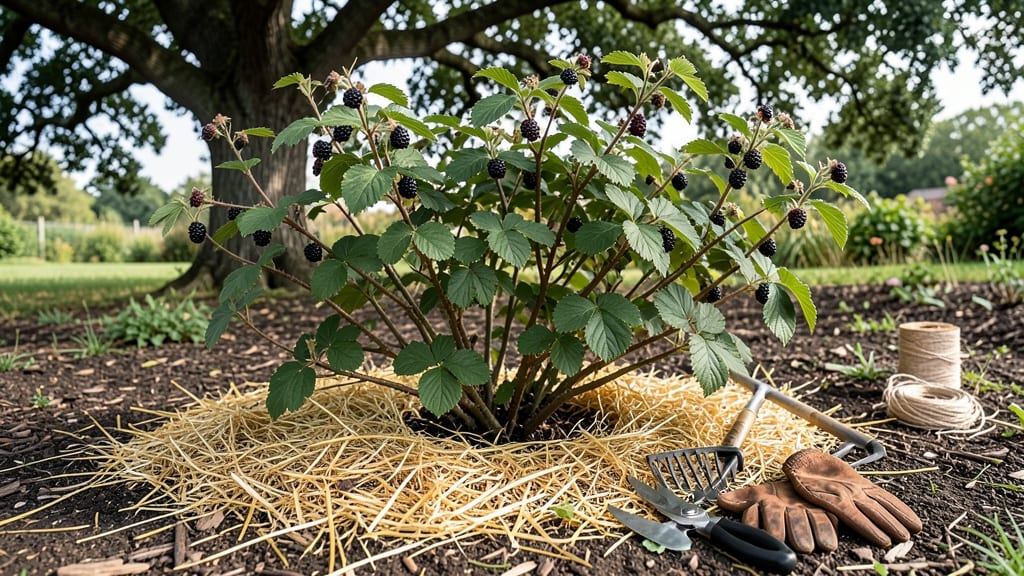
To care for blackberry bushes in the fall, you must prune old canes, apply mulch for insulation, and shield roots from winter frost to promote vigorous regrowth and maximize next year's harvest. Prioritize thinning, fertilizing, and winterizing for peak health.
Fall is the perfect time to give your blackberry bushes a health boost before winter. 🌿 Pruning isn't just about removing old canes—it's about creating space for new growth, which directly impacts fruit production.
I always use sterilized shears to cut back canes to the ground, and I recommend doing this after the first hard frost when the plant is dormant. The mulch layer (3-4 inches of straw or leaves) acts like a cozy blanket, protecting roots from temperature swings while retaining moisture.
Don't overlook the soil prep either. A balanced fertilizer applied in early fall provides essential nutrients for root development over winter. For extra protection in cold climates, consider wrapping the base with burlap or using frost cloth—this simple step can make all the difference in spring survival rates.
The key is consistency: these small fall tasks create a strong foundation for summer's bounty.
💡 In This Article
- Fall Pruning Techniques for Blackberry Bushes
- Winterizing Blackberry Bushes: Mulching and Protection Tips
Fall pruning techniques for blackberry bushes
The key to successful blackberry pruning lies in understanding cane life cycles. Blackberries produce two types of canes: floricanes (last year's growth that bear fruit this season) and primocanes (current year's growth). In fall, you're focusing on removing floricanes—those woody, brown stems that have already fruited.
These canes have expended their energy and won't produce fruit again, so cutting them back to the ground clears space for new primocanes to thrive.
I always make my cuts at a 45-degree angle about 1/4 inch above a bud or lateral branch to prevent water from pooling on the wound.
Timing is everything with blackberry pruning. The ideal window is after the first hard frost when the plant enters dormancy, typically between late October and early December in most climates. This timing ensures the plant has fully shut down its growth cycle, reducing stress from bleeding sap.
For everbearing varieties, you might see a second flush of fruit on primocanes in fall—leave these canes until spring pruning. The pruning process itself stimulates root growth, which is why you'll often see new shoots emerging from the base in spring.
A well-pruned bush can produce 20-30% more fruit the following season due to improved air circulation and sunlight penetration.
Proper tool selection makes all the difference. I recommend using bypass pruners for clean cuts on smaller canes and a pruning saw for thicker stems. Always sterilize your tools with rubbing alcohol between cuts to prevent spreading diseases like cane blight.
What most gardeners overlook is the importance of thinning out crowded canes—aim to leave 5-7 of the healthiest primocanes per plant. This spacing prevents overcrowding, which leads to smaller berries and increased disease risk.
The visual difference between a neglected bush (dense, tangled mess) and a properly pruned one (open, airy structure) is dramatic.
Here's what happens when you skip fall pruning: weakened canes, reduced fruit production, and increased susceptibility to pests. The plant's energy gets diverted to maintaining old canes instead of developing new ones. For example, a neglected blackberry patch might produce only 30% of the yield of a properly maintained one.
The science behind this is simple—pruning removes the plant's "energy drains," allowing it to focus resources on next year's growth. Think of it like giving your bushes a haircut to encourage stronger regrowth.
Consider these pruning variations based on your blackberry type:
- Summer-bearing varieties: Remove all old floricanes after harvest (late summer/early fall)
- Everbearing varieties: Cut back half the canes after first harvest, leave others for fall fruit
- Thornless varieties: Same principles apply, but use gloves to protect hands from sharp leaves
After pruning, I always spread a 2-inch layer of compost around the base to replenish nutrients lost during the process. This fall feeding jumpstarts root development for spring's growth surge. 🌱