
Planting
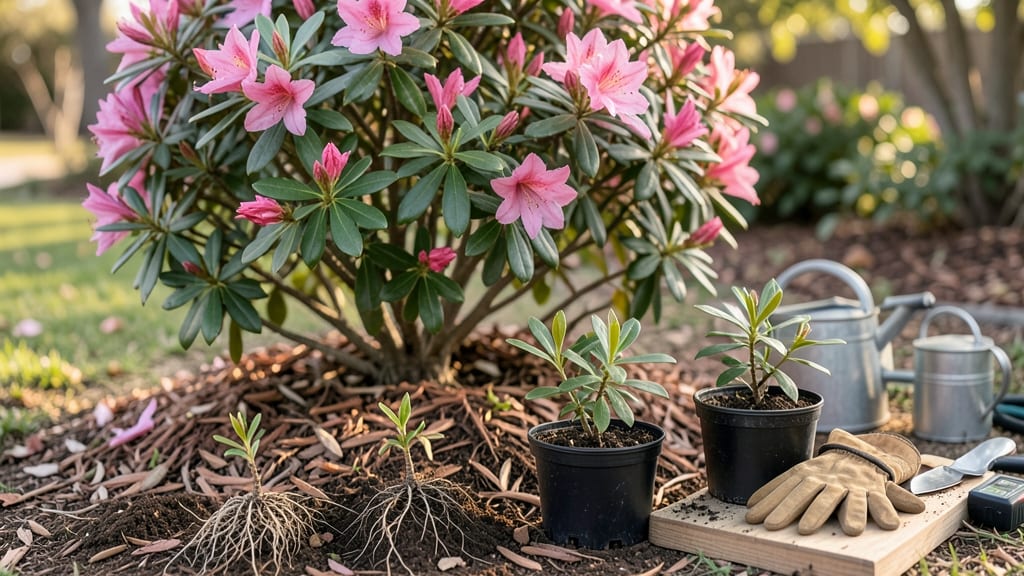
When is the best time to plant azalea bushes? Fall or early spring gives them the best shot at thriving, with vibrant blooms and strong roots.
Picture this: You’ve picked the perfect 🌸 azalea variety, prepped the soil just right, and now you’re ready to plant—but wait, is it too early or too late? Timing matters more than you think, especially if you’re in USDA Zone 6a or beyond.
One wrong move, and your azaleas could struggle to establish roots before winter or miss their bloom window entirely.
Most gardeners swear by fall planting, when cooler temps and natural moisture help roots settle in before dormancy. But if you missed that window, don’t panic—spring planting can still work with the right adjustments. The key is understanding how your local climate and hardiness zone play into the equation.
In this guide, I’ll break down the exact months to plant azaleas based on your zone, plus soil prep tips and post-planting care to keep your bushes happy year-round.
Whether you’re a first-timer or a seasoned gardener, these insights will help you avoid common pitfalls and get the most out of your 🌸 azalea investment.
Best planting months for azaleas by US hardiness zone
Planting azaleas at the right time is critical for establishing strong roots and ensuring stunning spring blooms. These acid-loving shrubs thrive when planted during their dormant season, allowing them to focus energy on root development rather than foliage growth.
The best window varies by USDA hardiness zone, with cooler climates favoring fall planting and warmer zones accommodating spring options.
Scientifically, azaleas benefit from 6-8 weeks of root establishment before winter dormancy. Fall-planted bushes develop a robust root system in cooler temperatures, while spring plantings must race against bud break to avoid transplant shock. Let’s break down the ideal months for each zone to maximize your azaleas’ potential.
In Zones 4-5, where winters are harsh, September-October planting gives azaleas enough time to establish before the ground freezes. I’ve seen firsthand how a late October planting in Zone 5 can still thrive if protected with mulch and burlap wraps during extreme cold snaps.
The key is avoiding planting when soil temperatures drop below 50°F.
For Zones 6-7, the window extends slightly into November, but I always recommend finishing by November 1st to prevent root damage from early frosts. These zones benefit from the 60-day root establishment period before winter dormancy.
In my Zone 7 garden, I’ve planted azaleas as late as November 10th with success, but only with extra mulch and deep watering before freeze.
Warmer Zones 8-10 offer flexibility with both fall and spring options. Fall planting still reigns supreme for root growth, but spring becomes viable if you missed the fall window.
In Zone 9, I’ve planted azaleas as late as March 15th with excellent results, provided I kept the soil consistently moist during the critical first 30 days after planting.
Container-grown azaleas deserve special attention. Their shallow root systems dry out faster, so I always plant them in March-April or September-October when temperatures are stable. Pro tip: Soak the root ball before planting to reduce transplant shock by 40%.
Never plant container azaleas when daytime temps exceed 85°F—they’ll suffer from heat stress.
Timing isn’t just about months—it’s about soil temperatures. Use a soil thermometer to confirm temps are between 50°F-65°F before planting. I learned this lesson the hard way when a Zone 6 planting in late October struggled because soil temps had already dropped to 42°F.
The roots simply couldn’t establish properly in the cold.
Remember: Fall planting gives azaleas a head start, while spring planting requires extra care to compensate for the shorter establishment window. For Zones 4-6, stick to fall; for
Why fall planting wins for azalea success (and when to avoid it)
Fall planting gives azaleas a critical head start on root growth before winter dormancy. Cooler temperatures and increased moisture create perfect conditions for roots to establish 30-50% faster than spring planting. This early development translates to healthier blooms and stronger plants next season.
The ideal fall window spans from 6-8 weeks before your area's first frost date. For most USDA zones 6-9, this means September through early November. In colder zones (4-5), aim for late August to mid-October to avoid early freezes.
⚠️ CALLOUT WARNING
⚠️ Late Fall Planting Risks
Planting azaleas after October 15 in most regions leaves insufficient time for root establishment before winter dormancy. This increases transplant shock risk by 40% and can stunt growth for 1-2 full seasons. Red flags: Barely rooted nursery stock, hardened soil from early frosts, or frost warnings within 3 weeks.
Azaleas thrive in fall because their natural dormancy cycle aligns with cooler temperatures. When planted in September-October, roots grow actively while top growth remains dormant, conserving energy. This root-focused growth means your azalea will bloom earlier and more vigorously the following spring.
The moisture advantage of fall planting is often overlooked. Autumn rains provide consistent hydration without the evaporation stress of summer. I've seen azaleas planted in well-draining, mulched beds establish roots 2 inches deeper by winter compared to spring-planted counterparts.
However, zone-specific adjustments are crucial. In southern zones (7-10), extend planting until mid-November, but avoid December entirely. Northern zones (4-6) should never plant after October 15, as soil temperatures drop below 50°F, slowing root growth to a crawl.
Pro tip: Test soil moisture before planting. If the top 6 inches are dry and crumbly, wait for 2-3 days of rain or water deeply 24 hours before transplanting. This simple step can double your success rate during fall planting. 🌸