
Plants
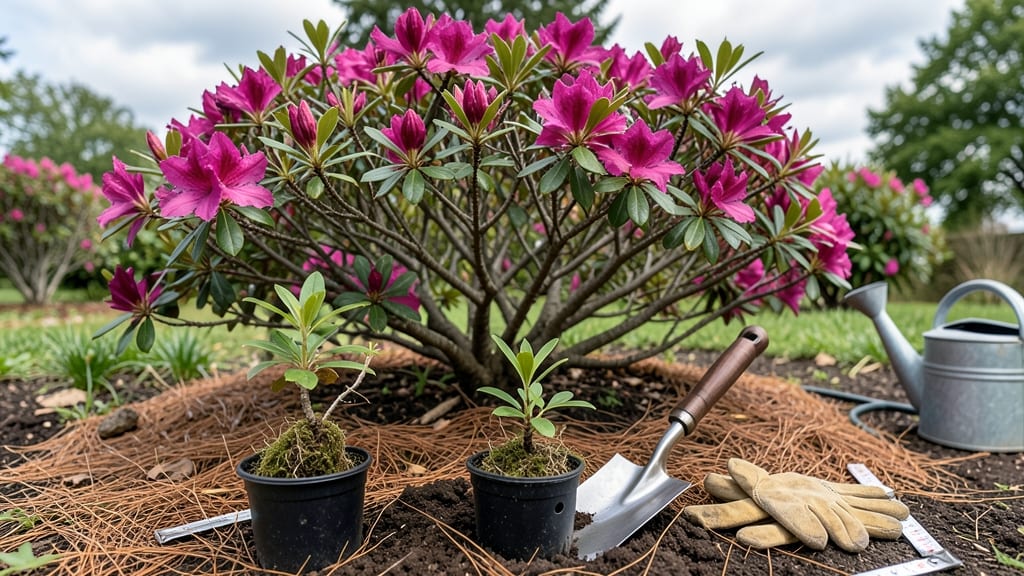
The best place to plant azalea bushes is in partial shade with morning sun and afternoon shade, well-draining acidic soil (pH 4.5-6.0), and humid climates like USDA Zones 7-9. Avoid direct sun or alkaline soil, which stress these delicate shrubs.
The ideal spot for azalea bushes balances sunlight exposure and soil conditions—they thrive where morning sun warms their leaves gently, while afternoon shade prevents scorching. 🌿 In my garden, I’ve found that planting them under tall deciduous trees (like oaks) provides natural shade while still allowing filtered light.
For urban gardeners, east-facing locations work best, as they receive gentle morning sun without harsh afternoon rays. The key is mimicking their native woodland understory habitat, where they naturally grow protected from intense sunlight.
Azaleas also demand acidic soil—think of it as their secret weapon for nutrient uptake. A simple pH test kit can reveal if your soil needs amendments like sulfur or pine needles to reach that 4.5-6.0 range.
In hotter climates, mulching with pine straw helps retain moisture and maintain acidity, while container-grown azaleas need frequent checks to ensure their potting mix doesn’t dry out or become alkaline over time.
💡 In This Article
- Azalea Sunlight and Soil Requirements Explained
- Climate Zones and Microclimates for Healthy Azaleas
Azalea sunlight and soil requirements explained
Azaleas evolved in the dappled light of woodland understories, where they receive only about 30-50% of full sunlight. This partial shade protects their thin leaves from the intense ultraviolet rays that cause leaf burn—a condition where chlorophyll breaks down, leaving brown, crispy patches.
The science here is fascinating: azaleas perform photosynthesis efficiently in low light, but their stomata (pores) close under high heat, trapping moisture and leading to cell damage. 🌿 When you see azaleas struggling in full sun, it’s often because their leaves are overheating faster than they can regulate temperature.
The ideal soil composition mimics their native acidic forest floors, with 50-70% organic matter like decomposed leaves and pine needles. This organic layer holds moisture while allowing excess water to drain—critical because azaleas hate soggy roots. The acidity (pH 4.5-6.0) isn’t just a preference; it’s a survival mechanism.
At these levels, azaleas can absorb iron and other micronutrients through their root hairs, which become less efficient in alkaline soils (pH above 7.0). A simple at-home pH test kit uses color-changing indicators to show whether your soil needs amendments like aluminum sulfate or peat moss to lower the pH.
What this means for gardeners is creating a microclimate that mimics their natural habitat. In my own garden, I’ve used 3-inch layers of pine bark mulch around the base of azaleas to maintain both moisture and acidity.
For container-grown plants, I repot every 2-3 years using a specialized azalea mix that includes sulfur-coated sand to prevent compaction. The key takeaway: azaleas aren’t fussy about soil texture as long as it’s acidic and well-draining—think of it like giving them a cozy, moisture-retentive blanket that never gets waterlogged.
Here’s where many gardeners go wrong: assuming all shade is equal. Dense evergreen trees like pines can cast too much shade, while young deciduous trees might not provide enough protection in summer. The solution?
Plant azaleas 10-15 feet away from tree trunks where they’ll get 3-6 hours of morning sun and the rest of the day in filtered light. For urban settings, white or light-colored fences reflect about 20% more light than dark ones, creating a gentler growing environment. 🌞
Testing your soil’s acidity is simpler than you might think. Most garden centers sell liquid pH testers that change color when dipped in a soil-water solution. For visual learners, compare your soil’s color to the chart: a deep brown (like coffee grounds) indicates acidity, while grayish tones suggest alkalinity.
If your soil tests above 6.5 pH, you’ll need to amend it gradually—adding too much sulfur at once can actually harm root systems. The goal is steady improvement, not instant transformation.
One advanced tip: azaleas in containers need weekly watering during hot months because their root systems can’t access groundwater. I’ve found that soaking the pot until water runs out the drainage holes (then letting it dry slightly) keeps roots happy without suffocating them.
The trade-off? Container-grown azaleas may need monthly pH checks since potting mixes can become alkaline over time as minerals leach out.
Remember: azaleas aren’t just picky—they’re communicating with their environment. Yellowing leaves often mean iron deficiency (common in alkaline soils), while drooping foliage signals either underwatering or root rot from poor drainage. Pay attention to these cues, and you’ll create the perfect microclimate where your azaleas can thrive for decades. 💫