
Pruning
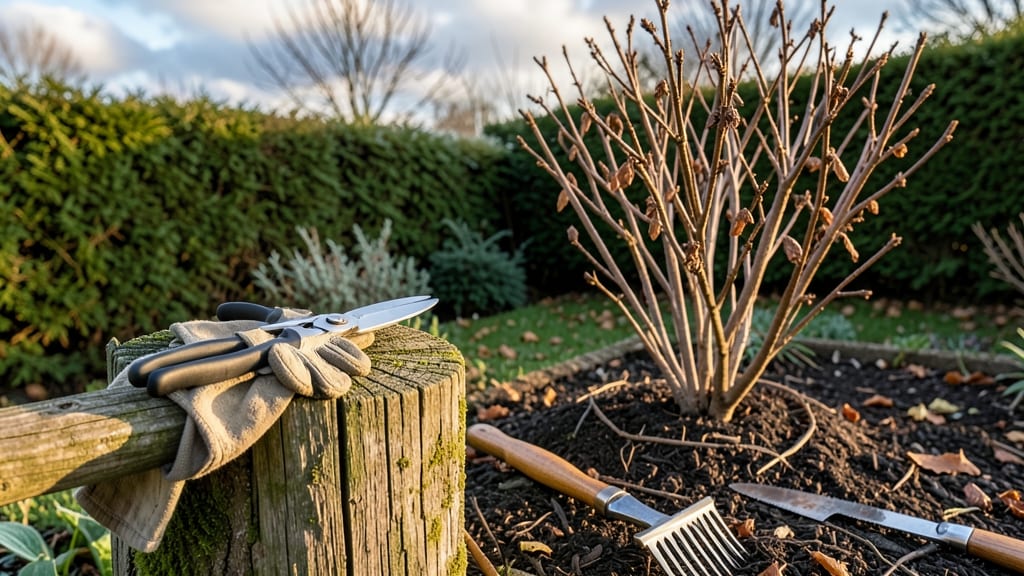
Trimming burning bush shrubs 🌿 at the right time ensures vibrant growth and prevents stress—late winter dormancy is the sweet spot for most gardeners.
Picture this: You’ve just pruned your burning bush in early spring, only to watch it struggle through summer with sparse foliage. That’s because timing matters more than technique. Late winter, before buds swell, is when you should act to encourage strong new growth without risking winter dieback.
In USDA Zone 6a and beyond, aim for late February to early March when the plant is still dormant but the frost threat has passed. This window gives your burning bush the head start it needs for a healthier, fuller season ahead.
Below, I’ll walk you through the exact steps—from tools to technique—and what to avoid so your shrub thrives year after year.
Why late winter dormancy is the optimal time to trim burning bush shrubs
When you prune your burning bush (Euonymus alatus), the timing directly impacts its health and future growth. Late winter—just as the plant emerges from dormancy—is the perfect window to trim. This period, before new buds form, allows you to shape the shrub while minimizing stress.
Pruning too early risks winter dieback, while waiting too long can remove next year’s flowers or encourage weak growth.
The scientific reasoning behind late winter pruning lies in the plant’s natural growth cycles. During dormancy, the burning bush conserves energy, and its root systems remain active but not yet focused on leaf or flower production.
Cutting back in late winter stimulates vigorous new growth in spring, as the plant redirects energy to replenish foliage and branches rather than maintaining old, potentially diseased wood.
Additionally, late winter pruning reduces disease risk by removing dead or infected branches before fungal spores spread in warmer, wetter conditions.
The clean cuts you make now promote faster healing, and the open canopy allows sunlight to reach the center, preventing shady, damp conditions that invite pests like spider mites or scale insects.
For gardeners in USDA Zones 5-8, the ideal time falls between mid-to-late February and early March, when daytime temperatures hover around 40-50°F (4-10°C). In warmer climates (Zones 9-10), aim for January to early February to avoid early bud break.
Always prune on a dry, calm day to ensure cuts heal properly.
| Timing Factor | Optimal Conditions | Why It Matters |
|---|---|---|
| Dormancy Period | Late winter (Feb-March in Zones 5-8) | Plant conserves energy; cuts heal faster. |
| Temperature | 40-50°F (4-10°C) | Prevents stress from cold snaps or early budding. |
| Bud Formation | Before buds swell (pre-bud break) | Avoids removing next year’s flowers. |
| Weather | Dry, calm days | Minimizes disease spread and ensures clean cuts. |
| Regional Adjustments | Zones 9-10: January-February | Aligns with local dormancy cycles. |
Pruning during late winter dormancy also promotes structural integrity. Burning bushes naturally shed older branches over time, and removing them now encourages younger, stronger growth from the base.
This rejuvenation pruning technique can extend the shrub’s lifespan by up to 10-15 years, as it prevents the woody, overgrown center that often plagues neglected bushes.
From a practical standpoint, late winter pruning gives you a clear view of the shrub’s structure without the distraction of leaves. You can identify dead wood, crossing branches, and overcrowded areas with ease, making it simpler to shape the bush for a fuller, more balanced appearance.
This is also the best time to thin out interior branches to improve airflow and sunlight penetration.
Another key benefit is reduced stress on the plant. Pruning in late winter avoids the shock of cutting during active growth phases, when the burning bush is already diverting energy to leaves and flowers.
By trimming now, you encourage a burst of fresh growth in spring, enhancing the shrub’s vibrancy and bright red fall foliage—the very reason many gardeners love this plant.
For organic gardeners, late winter pruning aligns with natural pest control. Removing infected or damaged branches eliminates hiding spots for insects and diseases, reducing the need for chemical interventions later in the season.
The cleaner the cut, the healthier the regrowth, and the less attractive the bush becomes to pests like aphids or borers.
If you’ve been putting off pruning because you’re unsure of the best time, mark your calendar for late February to early March this year. Even a light trim during this window will make a noticeable difference in your burning bush’s health and appearance by next fall.
The effort pays off in lush foliage, stronger branches, and fewer pests—all while keeping your shrub looking its best year after year.
Step-by-step late winter pruning guide for burning bushes
Timing your burning bush (Euonymus alatus) prune correctly ensures vibrant fall foliage and healthy new growth. Late winter, just as dormancy breaks, is the ideal window—typically between February and early March in most USDA zones 5-8.
This timing lets you remove dead or weak branches while avoiding flower bud damage that occurs later in spring.
Before you grab your pruning shears, check your local frost dates. In warmer zones (9-10), prune in late winter or early spring (January-February) to avoid late frost damage to fresh cuts. Always prune on a dry, sunny day to reduce disease risk and promote faster healing.
When Is the Best Time to Trim Burning Bush Shrubs?
- Step 1: Wait until late winter dormancy (after last frost risk but before new growth starts). Aim for February-March in USDA zones 5-8.
- Step 2: For warmer climates (zones 9-10), prune in January-February to avoid late frost damage to fresh cuts.
- Step 3: Choose a dry, sunny day with temperatures above 40°F to reduce disease risk and speed healing.
- Step 4: Look for dormant buds along branches—prune just above a bud at a 45-degree angle to encourage outward growth.
- Step 5: Avoid pruning after early spring (March-April), as this risks removing flower buds needed for fall color.
Gather your pruning tools before starting: bypass pruners for clean cuts, loppers for thicker branches, and gloves to protect your hands from sharp thorns. Sterilize your tools with rubbing alcohol to prevent spreading disease.
Remove dead, diseased, or crossing branches first—these compete with healthy growth and can harbor pests or fungi.
Shape your burning bush by thinning overcrowded areas to improve air circulation and sunlight penetration. Aim to open the center of the shrub while maintaining its natural form.
Never remove more than 25% of the foliage in one year, as this can stress the plant and reduce fall color intensity.
After pruning, water deeply to help the shrub recover and apply a layer of mulch around the base to retain moisture and regulate soil temperature.
Monitor your burning bush for signs of stress, like yellowing leaves or wilting branches, and avoid fertilizing immediately—wait until new growth appears in early spring.
Proper late winter pruning sets your burning bush up for lush summer foliage and show-stopping fall color. By following these steps, you’ll encourage healthy growth while avoiding common mistakes that can harm your shrub. Happy pruning! 🌿✂️