
Light Requirements
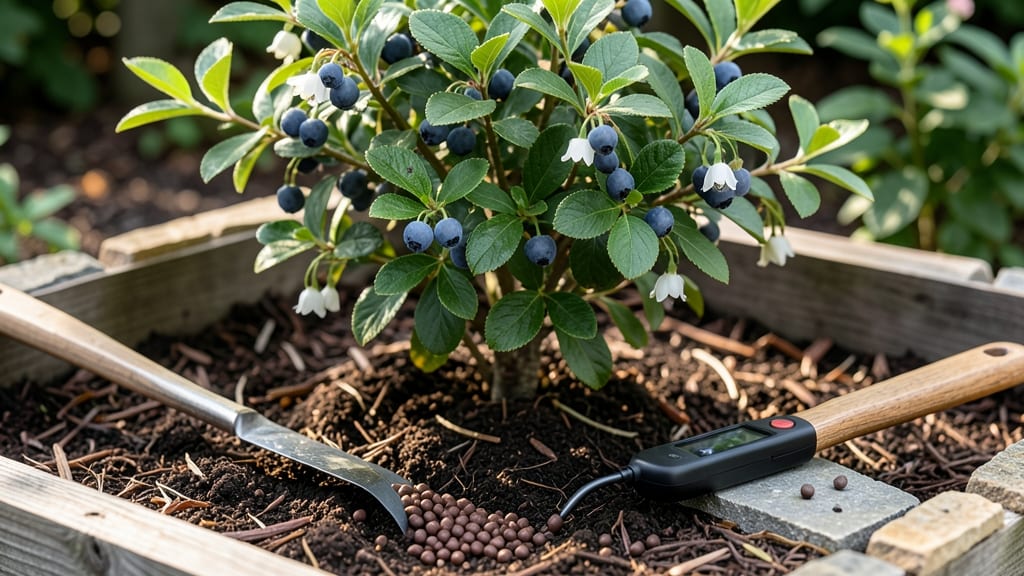
Fertilizing blueberry bushes at the right time is the key to bountiful harvests and healthy growth, and timing it wrong can leave you with weak plants or even dead roots.
Picture this: you’ve spent months nurturing your 🫐 blueberry bush, only to watch it struggle because you fed it too early or too late. The difference between a thriving bush and a stressed one often comes down to when you apply that first dose of nutrients.
Spring is your best window—right as buds swell and before flowers appear—but regional climate and soil type play a role too. In USDA Zone 6a, that means late April or early May, when the ground warms and new growth signals the plant is ready to absorb fertilizer.
Below, I’ll break down the exact timing for spring and fall feeding, the best fertilizer types for acid-loving blueberries, and how to avoid common mistakes that waste your effort (and your money).

Best times to fertilize blueberry bushes for optimal fruit production
Blueberries are finicky about their feeding schedule—get the timing wrong, and you’ll end up with small berries or leaf burn. The key is fertilizing when your bush is actively growing but not during stress periods like dormancy or harvest.
For most regions, this means focusing on early spring and late spring applications, with a few regional tweaks based on your last frost date.
Your blueberry bush needs two critical fertilization windows: once before blooming to fuel flower production and again after harvest to replenish nutrients. Skipping these can lead to stunted growth or poor fruit set.
The secret lies in watching for bud swell and leaf emergence—these are your cues to act.
Soil temperature is another game-changer. Blueberries wake up when soil hits 45°F (7°C)—this is your go signal. If you fertilize too early, the nutrients won’t activate properly, and if you wait too long, you miss the pre-bloom window when the plant is hungry for nitrogen.
| Fertilization Window | Key Cues | Soil Conditions | Fertilizer Type |
|---|---|---|---|
| Early Spring (Pre-Bloom) | Bud swell, leaf emergence | Soil temp: 45°F+ (7°C+) | High-nitrogen (10-10-10 or ammonium sulfate) |
| Late Spring (Post-Bloom) | After harvest, new growth | Well-draining, pH 4.5-5.5 | Balanced (12-4-8) or compost |
| Fall (Dormant Period) | Leaf drop, first frost | Avoid—plant is dormant | None (use mulch instead) |
| Winter (Dormancy) | No growth, frozen ground | No fertilization | None |
Your first fertilization should happen as soon as you see buds swelling in early spring—this is when your blueberry bush is ramping up for the season. Use a high-nitrogen fertilizer (like 10-10-10) to encourage leaf and flower growth.
Spread it in a 3-foot radius around the base, then water deeply to prevent root burn.
After harvest, switch to a balanced fertilizer (like 12-4-8) to support fruit production for next year. This post-harvest feed should occur 4-6 weeks after picking, when new growth appears.
If your bushes are young (under 3 years), skip the late spring feed and focus on building roots with compost or peat moss instead.
Regional adjustments matter—if you’re in a warmer climate (like Zone 8+), your blueberries might need a third light feed in early summer to sustain energy. Conversely, in cooler zones (like Zone 5), wait until soil warms to 50°F (10°C) before fertilizing in spring.
Never fertilize when your soil is dry or frozen—this can cause nutrient runoff or root damage. Always water thoroughly after applying fertilizer, and avoid feeding during drought stress or extreme heat, as the plant won’t absorb nutrients efficiently.
Pro tip: Mix organic matter (like pine needles or compost) into the soil before fertilizing. This mimics the acidic forest floor blueberries thrive in and improves nutrient retention. A 3-inch layer of mulch after fertilizing also helps retain moisture and regulate soil temperature.
Watch for signs of over-fertilization, like yellowing leaves or wilting. If this happens, flush the soil with water and reduce future applications. Your goal is steady growth, not a nutrient overdose!
What type of fertilizer to use and how to apply it correctly
Choosing the right fertilizer for blueberry bushes is just as important as timing. These acid-loving plants thrive with a balanced NPK ratio of 10-10-10 or 12-4-8, but also need acidifying amendments like sulfur or peat moss.
Organic options like compost or fish emulsion work well, while synthetic fertilizers provide faster results. Always check your soil’s pH level (4.5–5.5) before applying—blueberries won’t absorb nutrients properly in alkaline soil.
For young bushes, I start with a light application (1 tbsp per plant) in early spring to encourage root growth. Mature bushes can handle a heavier dose (2 tbsp) every 4–6 weeks during the growing season.
The key is to apply fertilizer 3–4 inches away from the stem and water it in immediately to prevent root burn. Over-fertilizing can harm your plants, so follow package instructions closely.
Organic Fertilizers for Blueberries
Pros
- Improves soil structure over time
- Slower-release nutrients reduce burn risk
- Enhances microbial activity in soil
- Safe for children and pets
Cons
- Results take longer to appear
- May require larger quantities for impact
- Can attract pests if overused
Synthetic Fertilizers for Blueberries
Pros
- Fast-acting immediate nutrient boost
- Precise NPK ratios for blueberries
- Compact and easy to store
Cons
- Risk of root burn if overapplied
- Can disrupt soil pH over time
- Not eco-friendly for long-term use
When applying granular fertilizer, spread it evenly in a 3-foot radius around the base of the bush, avoiding direct contact with the stem. For liquid fertilizers, dilute according to instructions and apply to moist soil in the morning.
Water thoroughly after application to help nutrients penetrate the soil. If using slow-release pellets, work them into the top 2–3 inches of soil for steady feeding.
My go-to organic options include cottonseed meal (high in nitrogen) and alfalfa pellets (rich in phosphorus). For a quick fix, I mix fish emulsion with water and apply it as a foliar spray or soil drench.
Always alternate between nitrogen-rich and phosphorus-heavy fertilizers to support both leaf growth and fruiting. Test your soil annually to adjust your fertilizer plan—blueberries are finicky but reward patience with sweet, juicy berries!
After fertilizing, mulch with pine needles or oak leaves to maintain soil acidity and retain moisture. Avoid synthetic mulches like black plastic, which can raise soil temperature and stress your plants. Keep the mulch layer 2–3 inches thick but avoid piling it against the stem to prevent rot.
With the right fertilizer and application method, your blueberry bushes will thrive and produce abundant harvests for years.
Remember, less is often more with blueberries. Over-fertilizing can lead to excessive leaf growth at the expense of fruit production. Always monitor your plants for signs of stress—yellowing leaves may indicate too much fertilizer, while slow growth could mean they need more nutrients.
Adjust your approach based on what your bushes tell you!